
Passenger lifts are undoubtedly a foundation of modern building design and function. They are not merely a luxury but an essential requirement that supports accessibility, efficiency, and the entire idea of vertical living and working in today’s cities. Picture a multi-story building without lifts – it is nearly impossible to imagine. From guaranteeing everyone can reach every floor to maximizing space & even boosting a building’s environmental performance, lifts play a far larger role than simply transporting people up and down. Let us explore why these vertical transport systems are so vital to our current built environment. One of the most important effects of passenger lifts is their capacity to make all parts of a building accessible to everyone.
Without them, many modern structures would be out of reach for a large segment of the population. For people using wheelchairs, crutches, or dealing with other mobility issues, stairs can be an impossible hurdle. Lifts offer a safe, comfortable, and independent way to move between floors, enabling them to fully engage in work, leisure, and home activities within a building.
In exploring the significance of passenger lifts in modern buildings, it is also worthwhile to consider the related article on the benefits of accessibility features in architectural design. This article delves into how integrating various accessibility solutions, including lifts, enhances the usability of spaces for all individuals. For more insights, you can read the article here: Benefits of Accessibility Features in Architectural Design.
This goes beyond meeting disability regulations; it is about creating an inclusive setting where everyone feels appreciated and can move around without excessive trouble. Consider a high-rise office where someone in a wheelchair could not reach their desk on the tenth floor – that is unthinkable in today’s world. Handling stairs with a stroller, a baby carrier, or simply a tired young child can be extremely tough, even risky. Lifts provide a useful answer, making buildings far more accommodating for families.
This applies to apartment complexes, shopping malls, and public facilities, significantly reducing the strain on parents and caregivers. As populations grow older, the need for easily accessible vertical transport becomes even more crucial. Stairs can be a fall hazard for elderly individuals, & lifts offer a much safer option.
For those looking to enhance building accessibility, consider installing a Passenger Lift. A Passenger Lift can significantly improve the convenience for residents and visitors. Ensure safety and efficiency by choosing a reliable Passenger Lift for your property.
Likewise, someone healing from a sports injury or a short-term medical issue may find stairs painful or unmanageable. Lifts ensure they do not lose access to essential services or their own homes while recovering. Although mainly for people, lifts also serve a key role in shifting heavy or bulky items that would be impractical to carry up stairs.
Passenger lifts play a crucial role in enhancing accessibility and convenience in modern buildings, making them an essential feature for both residential and commercial spaces. For those interested in exploring how vertical transportation systems can further improve operational efficiency, a related article discusses the benefits of advanced goods hoists and their impact on building functionality. You can read more about this topic in the article on advanced goods hoists.
This is especially true in apartment buildings for moving furniture or groceries, and in commercial spaces for deliveries, equipment, or stock. While service lifts handle the heaviest loads, passenger lifts still add to this practical aspect, lowering physical strain and the risk of injury. Lifts are not just about transporting people; they are about doing it efficiently, which directly affects a building’s overall usability and operational flow. In skyscrapers and tall office buildings, depending only on stairs would be unworkable and time-consuming, causing major delays and annoyance. High-speed passenger lifts are designed to move many people rapidly & smoothly across dozens of floors, making multi-level living and working feasible. Without them, the idea of a high-rise building would collapse from a logistical perspective.
In exploring the significance of passenger lifts in contemporary architecture, one might find it beneficial to read a related article that delves into the various innovations in building design and accessibility. This piece highlights how modern lifts not only enhance convenience but also play a crucial role in ensuring safety and compliance with regulations. For further insights, you can check out this informative article on building accessibility solutions. Understanding these advancements can provide a deeper appreciation for the essential role that passenger lifts play in our daily lives.
By focusing vertical transport in one area, lifts free up valuable floor space that would otherwise be taken up by large staircases. Though stairs are still needed for emergency exits, the main way people move vertically in modern buildings relies on compact, effective lift shafts. This permits larger office areas, more apartments, or expanded retail zones, directly influencing a property’s financial viability.
Think of the lines and congestion if everyone had to use stairs in a busy office building during rush periods. Lifts, especially those with intelligent dispatch systems, handle traffic flow efficiently, cutting wait times and providing a smoother, nicer experience for occupants and guests. This helps create a positive view of the building and its efficiency. While stairs are the main escape route during a fire, modern lifts often include features for emergency use by firefighters or for helping those unable to use stairs. These “firefighter lifts” or “evacuation lifts” are built with extra safety measures and backup power, playing a critical, though specialized, role in building safety plans.
They show how lifts contribute to overall building strength. The presence of passenger lifts deeply affects how buildings are designed, how cities expand, & how we engage with our urban surroundings. Without efficient passenger lifts, building skyscrapers & high-rise apartment blocks would be impossible. Lifts are the technology that literally allowed us to build upward, addressing land shortages in crowded urban areas.
They are integral to the concept of vertical city growth. This ability to build higher maximizes density & makes cities more eco-friendly by reducing outward spread. Architects design buildings with lift cores as central hubs, arranging floors around them. The location, number, & speed of lifts guide how people move through the building, affecting everything from lobby layout to the placement of services and offices.
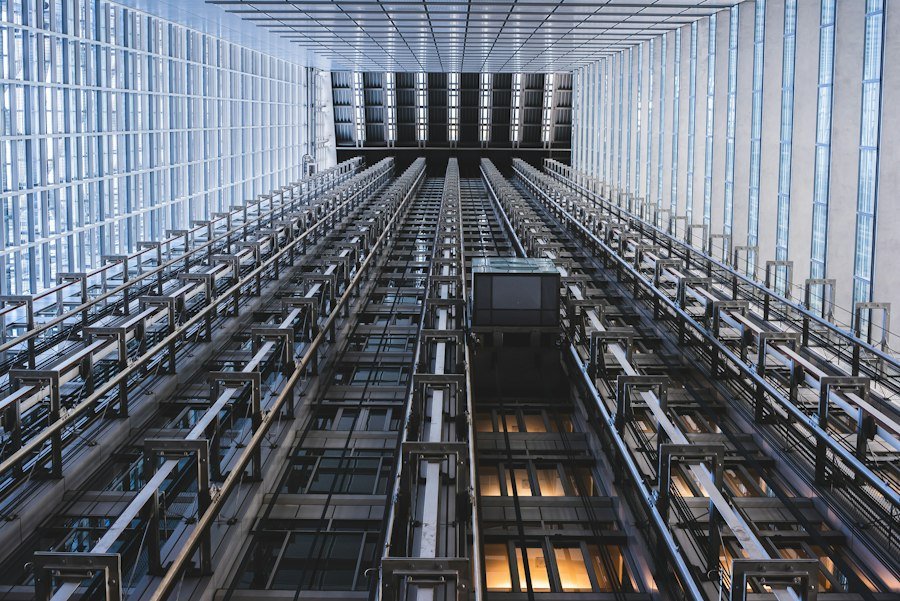
Modern buildings often include scenic or panoramic lifts, blending them as visual elements that improve the user experience and the building’s appeal. Properties with modern, well-kept passenger lifts are naturally more attractive to renters, buyers, and companies. They represent modernity, convenience, and a dedication to accessibility. This directly leads to higher property values and better marketability, making lifts a wise investment for developers.
A building without a lift, especially over two or three floors, often sees a notable drop in perceived worth. Lifts are vital for the success of mixed-use buildings, which combine homes, shops, and offices vertically. They allow smooth movement between different uses – residents can reach stores on lower floors, & office workers can access cafés, all within the same structure.
This integration supports lively, self-contained communities inside single buildings. The lift industry is always changing, pushing the limits of engineering, safety, and energy efficiency, making them far more than simple up-and-down conveyors. Modern passenger lifts include a vast range of safety features. From several independent braking systems and load sensors to emergency communication tools and automatic door reversal, every part is built with passenger safety as the top priority. Strict testing, certification, & regular upkeep ensure these systems work flawlessly, making lifts one of the safest transport methods.
Today’s lifts are increasingly “smart.” They use artificial intelligence & machine learning to predict maintenance needs, improve traffic flow during busy times, and even learn user habits to anticipate demand. Destination control systems, for example, group passengers heading to the same floor, greatly cutting travel times and energy use. This intelligence turns them from mechanical devices into essential parts of a building’s smart framework.
The newest lifts are remarkably energy-efficient. Features like regenerative drives, which capture energy when the lift descends or brakes & return it to the building’s power system, significantly lower electricity use. LED lighting, sleep modes, and advanced motor technologies also help reduce the carbon footprint, supporting eco-friendly building practices & green certifications. From touch-screen panels to integration with building access cards and smartphone apps, the user experience in lifts is becoming increasingly smooth and tailored.
Voice commands, gesture controls, and customized destination choices are just a few innovations making lifts more intuitive and convenient, reflecting the broader trend of smart living. Beyond the immediate building, passenger lifts have a wider impact, supporting broader economic activities and shaping the very nature of city life. In business centers, efficient vertical transport is essential for commerce. Lifts allow employees, clients, and deliveries to move smoothly through office towers, enabling meetings, teamwork, and daily operations.
Without them, the productivity of multi-story businesses would drop sharply, making dense urban hubs less viable for corporate activity. They are a key enabler of the modern economy. As city populations grow, high-density apartment buildings become necessary. Lifts make it possible for people to live comfortably on upper floors without the challenge of climbing stairs, allowing cities to accommodate more residents within a smaller area.
They turn vertical communities into a practical reality, helping to address housing shortages in urban regions.
FAQs
1. Why are passenger lifts important in modern buildings?
Passenger lifts are essential in modern buildings to provide convenient and efficient vertical transportation for occupants, visitors, and goods. They help improve accessibility, save space, and increase the overall efficiency of the building.
2. How do passenger lifts enhance the overall safety of a building?
Passenger lifts are equipped with various safety features such as emergency stop buttons, alarm systems, and sensors to prevent accidents and ensure the well-being of users. They are designed and maintained to meet strict safety standards.
3. What are the benefits of installing passenger lifts in tall buildings?
Installing passenger lifts in tall buildings improves the mobility of individuals, especially those with disabilities or limited mobility. It also reduces the reliance on stairs, making it easier for people to access different levels of the building quickly and comfortably.
4. How do passenger lifts contribute to the overall efficiency of a building?
Passenger lifts help reduce congestion in stairwells and hallways, allowing for smoother traffic flow within the building. They also save time for occupants and visitors by providing a faster and more convenient way to move between floors.
5. Are there any regulations or standards that govern the installation and maintenance of passenger lifts?
Yes, there are strict regulations and standards set by authorities and organizations to ensure the safe installation, operation, and maintenance of passenger lifts. Compliance with these regulations is crucial to guarantee the safety and reliability of the lift systems in modern buildings.