
Industrial lifts are workhorses. They’re essential for many operations, and keeping them running smoothly for as long as possible is key to avoiding downtime and costly replacements. This article will walk you through practical maintenance tips to get the most life out of your industrial lift.
Before you even pick up a wrench, knowing your lift inside and out is crucial. Different types of lifts have different needs, and even within the same type, models can vary.
Digging into the Manual
The first and most important step is to actually read the owner’s manual. Seriously. It’s not just a dusty book for when things break. It contains vital information specific to your lift, including:
- Manufacturer’s Recommended Service Intervals: These aren’t suggestions; they’re the bedrock of your maintenance schedule. Deviating from them can void warranties and, more importantly, lead to premature wear.
- Lubrication Points and Types: Using the wrong grease or oil can do more harm than good. The manual will specify what goes where.
- Operating Specifications and Limitations: Overloading or operating your lift outside its design parameters is a fast track to failure.
- Troubleshooting Guides: These can save you time and money by helping you diagnose minor issues before they become major problems.
- Part Numbers: Handy for ordering replacements quickly and accurately.
Knowing Your Lift Type
Whether you have a scissor lift, boom lift, forklift, or a mast lift, each has its own quirks. For instance, hydraulic systems are common across many, but their configurations and specific failure points might differ. Electric lifts will have battery maintenance as a significant concern, while internal combustion models will have engine-related checks.
For those looking to enhance their understanding of industrial lift maintenance, a related article that provides valuable insights is available at USP Corporations. This article delves into best practices and tips for ensuring the longevity and efficiency of your industrial equipment, complementing the guidance on maintaining your industrial lift for maximum lifespan.
Daily Checks: Your First Line of Defense
Think of daily checks as your morning coffee – essential for a good start to the day. These quick inspections can catch small problems before they escalate into something bigger and more expensive.
Visual Inspection: A Quick Glance Can Reveal a Lot
Before operation, take a few minutes for a walk-around. Look for the obvious:
- Leaks: Puddles or drips under the lift are never a good sign. Pinpoint the source. Hydraulic fluid, engine oil, or coolant leaks need immediate attention.
- Damaged Hoses and Wires: Frayed hoses, cracked insulation on wires, or exposed conductors are safety hazards and potential failure points.
- Tires/Wheels: Check for proper inflation (if pneumatic), excessive wear, or damage. Bent rims or severely worn solid tires can impact stability and steering.
- Structural Damage: Look for bent supports, cracks in welds, or any visible deformation. These could indicate overloading or impact damage.
- Loose Fasteners: A quick visual check for obviously loose nuts or bolts can prevent parts from falling off.
Functional Checks: Testing the Waters
Once you’ve done your visual, it’s time to put the lift through its paces, but gently.
- Controls: Test all operating controls – up, down, extend, retract, steer, brake, horn – to ensure they respond correctly and smoothly. Jerky movements or delayed responses are red flags.
- Brakes: Ensure the brakes engage firmly and hold the lift. If it’s a mobile lift, test both service and parking brakes.
- Warning Systems: Check that all lights, alarms, and safety interlocks are working. This includes things like tilt alarms, overload indicators, and flashing beacons.
- Emergency Stops: Crucial for safety, these need to be tested daily. They should immediately cut power to all functions.
Scheduled Maintenance: The Backbone of Lifespan
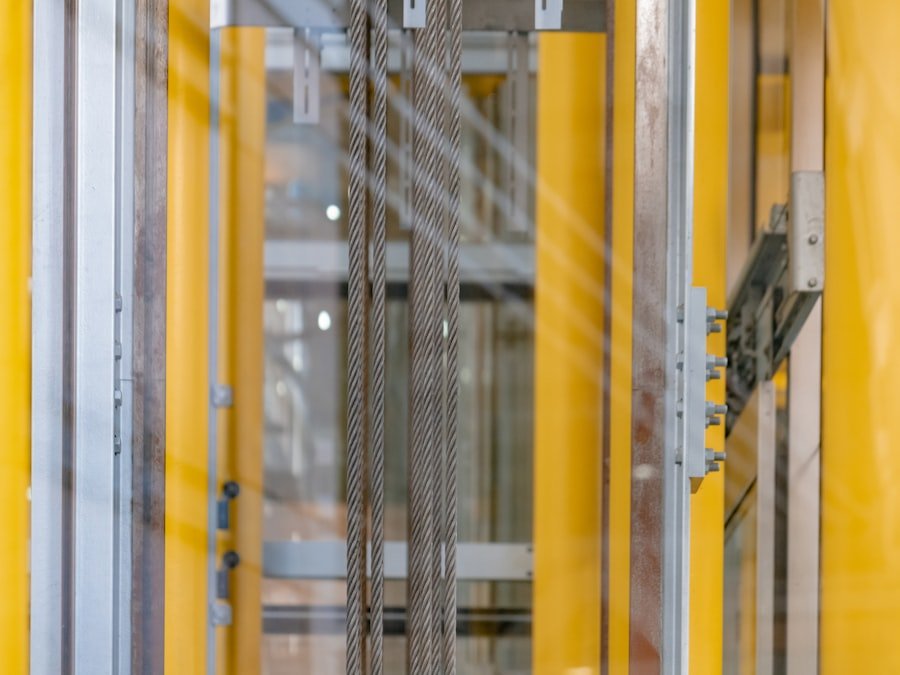
Daily checks are great, but scheduled maintenance is where the real longevity comes from. This is about preventative action, not just reactive repair.
Following Manufacturer Guidelines: No Shortcuts Here
As mentioned, the manual is your bible. Adhering to the manufacturer’s recommended service intervals – be it weekly, monthly, quarterly, or annually – is non-negotiable. These intervals are based on engineering and testing to ensure optimal performance and wear.
Lubrication: Keeping Things Moving Smoothly
Friction is the enemy. Proper lubrication is one of the cheapest and most effective ways to extend component life.
- Greasing Points: Identify all grease zerks. Use the correct type and amount of grease as specified in the manual. Over-greasing can attract dirt, while under-greasing causes rapid wear.
- Oil Changes: For hydraulic systems and internal combustion engines, regular oil changes are vital. Old oil loses its lubricating properties and can become contaminated, leading to increased friction and heat. Don’t forget to change filters alongside the oil.
- Fluid Levels: Regularly check hydraulic fluid, engine oil, coolant (if applicable), and battery water levels. Low levels can lead to overheating or component damage.
Filter Replacements: Cleaner is Better
Filters are often overlooked but play a critical role.
- Hydraulic Filters: These prevent contaminants from circulating through your hydraulic system, which can damage pumps, valves, and cylinders. Dirty hydraulic fluid is a major cause of system failure.
- Engine Air Filters: A clogged air filter chokes the engine, reduces efficiency, and can lead to premature engine wear.
- Fuel Filters: For combustion engines, a clean fuel filter prevents debris from reaching the engine’s delicate fuel injection system.
Electrical System Checks: Powering Performance
The electrical system is the nervous system of your lift.
- Battery Maintenance: For electric lifts, this is paramount. Keep battery terminals clean and free of corrosion. Ensure proper electrolyte levels (for flooded lead-acid batteries) and follow charging guidelines. Overcharging or undercharging can severely reduce battery life.
- Wiring Integrity: Periodically inspect all wiring harnesses for chafing, nicks, or loose connections. Secure any loose wires.
- Sensor Functionality: Many modern lifts rely on sensors for safety and operation. Ensure they are clean and functioning correctly.
Hydraulic System Health: The Lifeblood of Your Lift
Most industrial lifts rely heavily on hydraulics.
- Hose and Fitting Inspection: Look for any signs of wear, cracking, blistering, or leaks. Tighten any loose fittings. Replace damaged hoses immediately.
- Cylinder Rod Inspection: Check cylinder rods for pitting, scoring, or bending. Even minor damage can lead to seal failure and fluid leaks. Keep them clean.
- Pump and Valve Checks: Listen for unusual noises from the hydraulic pump. Check for leaks around valves. Smooth operation is key.
Sure, here is the sentence with the clickable link:
I found a reliable supplier for goods hoist at Goods Hoist Malaysia Supplier.
Beyond the Basics: Advanced Longevity Strategies

Once you’ve mastered the routine, there are additional steps you can take to squeeze every last bit of life out of your equipment.
Training and Operator Practices: The Human Factor
Even the best-maintained lift won’t last if it’s abused. Operator behavior is a huge determinant of lifespan.
- Proper Training: Ensure all operators are thoroughly trained, certified, and understand the lift’s capabilities and limitations. Untrained operators are a leading cause of accidents and equipment damage.
- Avoiding Overloading: This is critical. Regularly exceeding the lift’s rated capacity puts immense strain on the hydraulic system, structure, and tires, leading to rapid wear and potential catastrophic failure.
- Smooth Operation: Jerky movements, sudden stops, and rough driving put undue stress on components. Encourage smooth, controlled operation.
- Environmental Awareness: Operators should be trained to avoid rough terrain, potholes, or obstacles that can damage the lift’s undercarriage or stability.
Environmental Control: Protecting from the Elements
Where and how your lift is stored and operated can significantly impact its longevity.
- Indoor Storage: If possible, store lifts indoors or under cover. Exposure to rain, snow, extreme temperatures, and direct sunlight can degrade components like hoses, seals, and electrical wiring.
- Cleanliness: Regularly clean your lift. Dust, dirt, and debris can clog filters, contaminate fluids, and hide underlying issues. Pay particular attention to control panels and moving parts.
- Corrosion Prevention: In humid or corrosive environments, consider rust-inhibiting coatings or more frequent inspections for corrosion, especially on structural components.
Record Keeping: Your Maintenance Diary
If it wasn’t written down, it didn’t happen. Meticulous record-keeping is invaluable.
- Service Logs: Document every inspection, repair, and service performed. Include dates, hours on the machine, parts used, and the person who performed the work.
- Troubleshooting History: A detailed history of issues and their resolutions can help identify recurring problems or predict future failures.
- Cost Tracking: Understanding maintenance costs helps with budgeting and making informed decisions about repair versus replacement.
- Warranty Compliance: Good records are essential for warranty claims.
Proactive Part Replacement: A Stitch in Time
Sometimes, waiting for a part to fail is a costly mistake.
- Wear Parts: Some components are designed to wear out over time. Bushings, certain seals, and filters are examples. Replace these proactively based on manufacturer recommendations or observed wear, even if they haven’t completely failed yet.
- Fluid Analysis: For large, expensive hydraulic systems or engines, fluid analysis can be a powerful predictive tool. Labs can test oil for contaminants, wear metals, and degradation, indicating potential problems long before they become noticeable during operation.
- Component Overhauls: For critical, high-cost components like hydraulic pumps or engines, scheduled overhauls at specific hour intervals can be more cost-effective than waiting for a complete breakdown.
Professional Inspections: An Expert’s Eye
Even with robust internal maintenance, an outside perspective can be beneficial.
- Annual Certified Inspections: Many regulations require annual inspections by a qualified, independent third party. These inspections are thorough and can identify issues your team might miss.
- Specialized Diagnostics: For complex issues or intermittent problems, bringing in a manufacturer-trained technician with specialized diagnostic tools can save time and prevent further damage.
To ensure the longevity of your industrial lift, it is essential to follow a comprehensive maintenance routine. For additional insights on best practices and policies related to equipment upkeep, you may find this article on maintenance policies particularly useful. By implementing the strategies discussed, you can significantly enhance the performance and lifespan of your lift, ultimately leading to increased efficiency in your operations.
When to Consider Retirement: Knowing When to Say Goodbye
Even with the best maintenance, every machine has a finite life. Recognizing when a lift is no longer economically viable to maintain is as important as maximizing its lifespan.
Rising Repair Costs: The Tipping Point
If repair costs start to approach or exceed the cost of a new lift, or if the lift is constantly breaking down, it’s time to crunch the numbers. Downtime also has a significant, often hidden, cost.
Obsolete Technology: Falling Behind
Older lifts might lack modern safety features or efficiency. Sometimes, the increased productivity, safety, and reduced operating costs of a new machine outweigh the cost of continuing to repair an older one.
Regulatory Changes: Meeting New Standards
New safety regulations or environmental standards might make older equipment non-compliant or prohibitively expensive to upgrade.
Ultimately, maximizing your industrial lift’s lifespan is about a holistic approach: understanding your equipment, consistently executing routine maintenance, training your operators, protecting your asset from the environment, and keeping detailed records. It’s an investment that pays dividends in reduced downtime, improved safety, and lower long-term operating costs.
FAQs
1. Why is it important to maintain an industrial lift for maximum lifespan?
Regular maintenance of an industrial lift is crucial for ensuring its safe and efficient operation, as well as for maximizing its lifespan. Neglecting maintenance can lead to costly repairs, downtime, and safety hazards.
2. What are some common maintenance tasks for industrial lifts?
Common maintenance tasks for industrial lifts include regular inspections, lubrication of moving parts, checking for wear and tear, testing safety features, and following manufacturer-recommended maintenance schedules.
3. How often should industrial lifts be maintained?
The frequency of maintenance for industrial lifts can vary depending on factors such as usage, environment, and manufacturer recommendations. However, it is generally recommended to perform routine maintenance at least every 6 to 12 months.
4. What are the benefits of maintaining an industrial lift for maximum lifespan?
Maintaining an industrial lift can result in increased safety, reduced downtime, lower repair costs, improved efficiency, and ultimately, a longer lifespan for the equipment.
5. What are some signs that an industrial lift may need maintenance?
Signs that an industrial lift may need maintenance include unusual noises, decreased performance, leaks, visible wear and tear, and malfunctions of safety features. It is important to address these issues promptly to prevent further damage and ensure safe operation.