
Hydraulic goods hoists are a solid option when you need to move heavy stuff vertically in a controlled way, especially where electricity might be a concern or you need really smooth, precise lifting. They shine in situations where safety, durability, and handling significant loads are top priorities. Think of them as the workhorse for particular lifting challenges, not a one-size-fits-all solution, but a really good one for specific needs.
Understanding the “Why” Behind Hydraulic Hoists
Before we dive into specific uses, it’s helpful to understand what makes hydraulic hoists tick and why they stand out. Unlike their electric or chain-driven counterparts, hydraulics rely on fluid pressure to generate immense lifting power. This fundamental difference brings a few key advantages to the table that dictate where they’re most effective.
Smooth and Controlled Movement
One of the biggest perks of a hydraulic system is the incredibly smooth and controlled movement it provides. There’s no sudden jerking or rapid acceleration; it’s a gradual, steady ascent or descent. This is crucial when you’re moving delicate equipment, fragile goods, or anything that could be damaged by abrupt stops and starts. Imagine lifting a pallet of glassware – you wouldn’t want it swinging around!
Handling Heavy Loads with Ease
When it comes to sheer lifting capacity, hydraulic hoists are often the champions. Their design allows them to handle very heavy loads efficiently and safely. This isn’t just about the maximum weight they can lift, but also about their ability to sustain those loads without undue stress on the system. If your operation regularly involves moving tons of material, hydraulics are definitely worth a look.
Durability and Longevity
Because hydraulic systems operate with fewer moving parts than some other hoist types (especially compared to complex geared systems), they tend to be incredibly durable and have a long operational lifespan. The components are robust, designed to withstand significant pressure and continuous use. This translates to less downtime for maintenance and a lower total cost of ownership over the long run.
Safety in Operation
The inherent design of hydraulic systems often includes built-in safety features like pressure relief valves and controlled descent mechanisms. Should a power outage occur, hydraulic hoists typically hold their position or descend very slowly and safely, preventing catastrophic drops. This passive safety aspect is a huge advantage in many industrial settings.
Adaptability to Harsh Environments
Hydraulic systems can be quite resilient to dust, dirt, and moisture, especially when properly sealed. This makes them suitable for environments where other types of hoists might struggle or require more intensive maintenance. While no system is indestructible, hydraulics offer a good degree of robustness for challenging conditions.
When considering the use of hydraulic goods hoists, it’s essential to evaluate their suitability for specific applications. A related article that delves deeper into this topic is available at USP Corporations: Car Lift and Hospital Lift. This resource provides valuable insights into various lifting solutions, helping you determine when hydraulic hoists are the right choice for your needs.
1. Multi-Level Warehousing and Storage
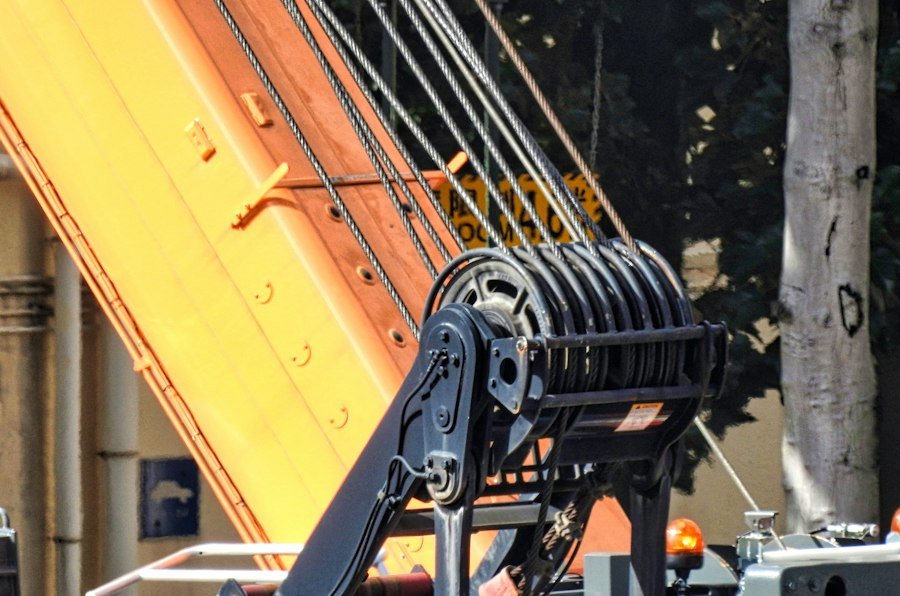
When you’re dealing with a warehouse that has multiple floors, or even just mezzanines for extra storage, getting goods from one level to another efficiently and safely is a constant challenge. This is where hydraulic goods hoists really shine.
Streamlining Inventory Movement
Imagine a warehouse where incoming shipments arrive at ground level, but need to be stored on a second or third floor. Instead of using forklifts on ramps (which takes up a lot of space and isn’t always safe), or relying on manual labor, a hydraulic hoist provides a dedicated, direct vertical pathway. It significantly speeds up the movement of pallets, crates, and even individual packages between levels, making your inventory flow much smoother. This means less time wasted waiting for goods to move and more time spent on productive tasks.
Maximizing Vertical Space
In many urban areas, floor space is at a premium. Building upwards is often the most cost-effective way to expand storage capacity. Hydraulic hoists facilitate this by providing the necessary lifting mechanism to utilize those upper levels effectively. They allow you to transform previously inaccessible or inconvenient elevated spaces into fully functional storage or operational areas, getting more out of your existing footprint. This is a big win for businesses trying to maximize square footage without expanding horizontally.
Safe Handling of Diverse Loads
Warehouses handle a vast array of goods, from heavy machinery components to bulky packaged consumer products. A well-designed hydraulic hoist can accommodate various load sizes and weights within its capacity limits. The smooth operation minimizes the risk of product damage during transit, which is especially important for fragile or sensitive items. It also reduces the physical strain and potential for injury to employees who would otherwise be manually moving these heavy items up or down. Think of the back strain avoided!
Integration with Existing Systems
Modern hydraulic goods hoists can often be integrated with existing warehouse management systems (WMS) or basic control panels. This allows for automated calls and dispatches, further enhancing efficiency. For example, a forklift operator can load a pallet onto the hoist, send it to the next floor with the push of a button, and the system can even signal its arrival. This level of integration reduces manual errors and improves overall operational flow.
Cost-Effectiveness Over Time
While the initial investment in a hydraulic hoist might seem significant, its durability, low maintenance requirements (compared to some more complex systems), and energy efficiency for intermittent use often make it a very cost-effective solution in the long run. The increased efficiency in material handling and reduction in product damage or workplace injuries can lead to substantial savings over its operational life.
2. Manufacturing and Industrial Facilities
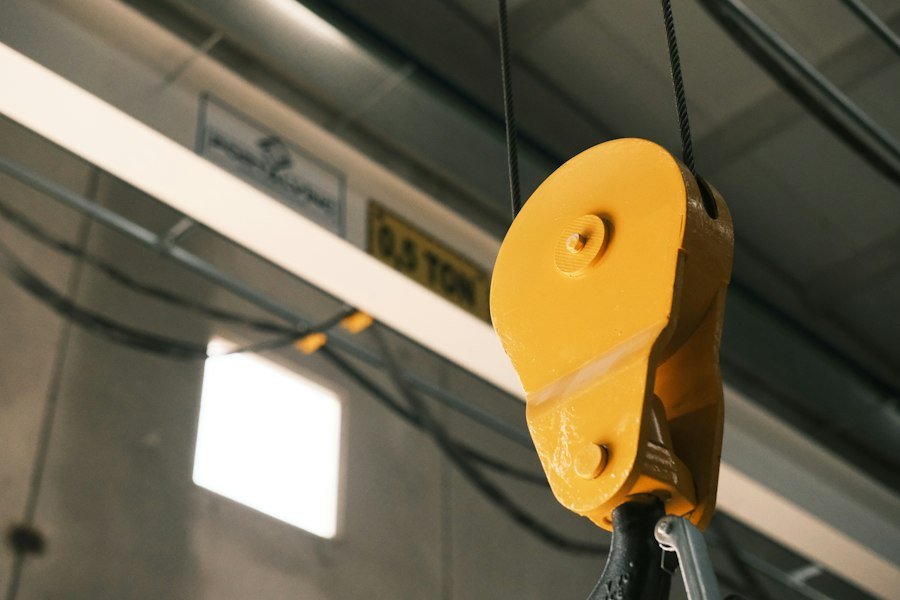
Manufacturing plants and industrial settings are often characterized by heavy components, precise movements, and the need for robust, reliable equipment. Hydraulic goods hoists fit perfectly into this demanding environment.
Moving Heavy Machinery Components
In manufacturing, it’s common to deal with very heavy individual machine parts, large molds, or bulky sub-assemblies. Lifting these precisely and safely onto a production line, into a testing bay, or simply moving them for maintenance requires equipment that can handle immense weight with stability. Hydraulic hoists are ideal for this, providing the necessary power and control to prevent damage to expensive equipment or injury to workers. Their ability to hold a load steady for extended periods is also a huge advantage during assembly processes.
Facilitating Assembly Lines
For specific types of assembly lines, especially those dealing with large products like vehicles, heavy equipment, or large appliances, hydraulic hoists can be integrated to move work-in-progress from one station to another or to lift components into position. Their smooth, controlled motion prevents jarring that could disrupt delicate alignments or damage partially assembled products. This precision is invaluable when tolerances are tight.
Material Handling Between Production Stages
Many industrial processes involve multiple stages, often on different levels or requiring specific elevation changes. For example, raw materials might be processed on one floor and then need to be moved up to another for finishing or packaging. Hydraulic hoists provide a dedicated, safe, and efficient conduit for these materials, keeping the production flow continuous without relying on less efficient or more space-consuming methods like ramps or freight elevators that are constantly busy.
Workstation Leveling and Ergonomics
Beyond just moving goods between floors, smaller hydraulic lifts are often used within a single level to adjust the height of workpieces. This isn’t exactly a “hoist” in the traditional sense, but the underlying hydraulic principle is the same. By allowing workers to adjust the height of heavy items to an ergonomic level, it significantly reduces strain, prevents injuries, and improves overall productivity. This focus on worker well-being is a critical aspect of modern industrial design.
Robustness in Harsh Conditions
Manufacturing environments can be tough – temperature fluctuations, dust, vibrations, and sometimes even corrosive elements. Hydraulic systems, particularly when properly specified and maintained, are known for their resilience in these conditions. Their sealed nature protects internal components from ingress of contaminants, ensuring reliable operation even when the going gets rough. This robust nature minimizes unexpected breakdowns and keeps production running.
For businesses in Malaysia looking to improve their material handling efficiency, a reliable goods hoist is essential. Investing in a high-quality goods hoist can significantly enhance operational productivity. Ensure safety and compliance by choosing the right goods hoist for your facility.
3. Automotive Service Centers and Garages
The automotive industry, especially repair and service centers, frequently deals with heavy, bulky items that need to be lifted and positioned. While car lifts are a prime example, hydraulic goods hoists play a vital role in moving components and supplies.
Lifting Heavy Engines and Transmissions
Mechanics frequently need to remove and replace engines, transmissions, and other heavy powertrain components. While engine cranes are common, for moving these components between different levels of a multi-story garage (e.g., from a dismantling area to a reassembly area on another floor, or to a storage mezzanine for parts), a hydraulic goods hoist is an invaluable tool. It allows for safe, controlled vertical transport without the need for manual hauling or elaborate ramp systems. This prevents injury and speeds up repair processes.
Parts and Tire Storage and Retrieval
Modern service centers often have dedicated areas for storing new tires, bulky spare parts, and even specialty tools. If these storage areas are on an upper floor or mezzanine to save valuable ground-level workspace, a hydraulic hoist becomes essential. It allows technicians to quickly and safely move stacks of tires or heavy boxes of parts to and from the service bays, minimizing downtime and improving overall shop efficiency. No more lugging heavy wheels up stairs!
Body Shop Operations
In body shops, large and sometimes awkwardly shaped car panels, frames, or even entire vehicles might need to be moved to different levels for specific repairs (e.g., paint booths on one level, frame straightening on another). A heavy-duty hydraulic goods hoist can facilitate this movement, ensuring the integrity of the vehicle components and the safety of the technicians. The smooth operation is especially beneficial when handling freshly painted or delicate body parts.
Waste Management and Recycling
Automotive shops generate a significant amount of waste, from scrap metal to used fluids and tires. If a recycling or waste collection area is located on a different floor (e.g., a basement for fluid tanks, or an upper level for metal sorting), a hydraulic hoist provides an efficient means of transporting these heavy waste containers. This helps maintain a clean and organized shop floor and streamlines waste disposal processes.
Tool and Equipment Relocation
Larger, specialized diagnostic equipment, heavy-duty jacks, or even small machinery might occasionally need to be moved between different areas or floors of a large service center. A hydraulic hoist ensures these valuable and often sensitive tools can be transported safely and without damage. This is particularly useful during shop reconfigurations or when equipment needs to be sent out for calibration or repair.
When considering the best lifting solutions for your operations, it’s essential to explore various options, including hydraulic goods hoists. These hoists can be particularly advantageous in scenarios requiring heavy lifting with precision and safety. For a deeper understanding of the different types of lifting equipment available, you can refer to a related article on the topic found here. This resource provides valuable insights into the features and benefits of various lifting solutions, helping you make an informed decision for your specific needs.
4. Retail and Commercial Buildings
From department stores to large commercial complexes, moving goods between floors is a constant requirement. While passenger elevators handle people, hydraulic goods hoists are purpose-built for the heavy lifting behind the scenes.
Stocking and Restocking Shelves
Retail stores, especially those with multiple levels, constantly need to move inventory from backrooms or basements to the sales floor. A hydraulic goods hoist provides a dedicated and often discreet way to move boxes of merchandise, display fixtures, and seasonal stock without interfering with customer traffic. This ensures shelves are always stocked and sales opportunities aren’t missed due to empty displays. It’s all about keeping the flow of goods consistent and efficient.
Moving Display Fixtures and Furniture
Retailers frequently reconfigure their store layouts to promote new products or seasonal themes. This often involves moving heavy display cases, mannequins, shelving units, and even furniture. A hydraulic hoist simplifies this task, allowing staff to move these bulky items between floors safely and with less effort. This means quicker store turnarounds and more dynamic visual merchandising.
Event and Exhibition Setup
For commercial buildings that host events, conferences, or temporary exhibitions, there’s a constant need to move staging, equipment, furniture, and promotional materials. Hydraulic goods hoists are perfect for transporting these heavy and sometimes irregularly shaped items to and from different levels of the venue. Their reliability ensures that events can be set up and dismantled efficiently, meeting tight deadlines.
Handling Delivery and Receiving
Many commercial buildings receive large shipments that need to be distributed throughout multiple floors. Instead of relying on passenger elevators (which often have weight limits and tie up customer access), a dedicated goods hoist ensures that deliveries can be processed quickly and efficiently. This separation of goods and people flow is crucial for maintaining a professional and uncluttered public space.
Waste and Recycling Removal
Just like in industrial settings, commercial buildings generate a lot of waste, from packaging materials to expired merchandise. If waste disposal areas are located in basements or at different service levels, a hydraulic hoist provides an effective means to transport large bins or compactors, keeping public areas clean and facilitating efficient waste management.
5. Construction Sites and Maintenance Operations
Construction sites and large-scale maintenance projects often require moving materials to various heights, sometimes in less-than-ideal conditions. Hydraulic goods hoists, especially temporary or modular units, are a valuable asset.
Vertical Transport of Building Materials
On multi-story construction projects, getting bricks, cement bags, tools, and smaller equipment to upper floors quickly and safely is paramount. While tower cranes handle the largest items, a dedicated hydraulic goods hoist can fill the gap for continuous, smaller-batch material transport to specific levels. This keeps construction crews supplied without delays and reduces reliance on manual carrying or temporary ramps, which can be less safe.
Equipment and Tool Relocation
Construction sites are dynamic, and heavy equipment, power tools, or even specialty scaffolding components often need to be moved between different floors or sections of a building under construction or renovation. A robust hydraulic hoist can handle these irregular and heavy loads, ensuring tools are where they’re needed, when they’re needed, thereby improving productivity and safety.
Temporary Access for Renovations
When renovating existing buildings, especially older ones, the existing infrastructure might not be suitable for heavy material transport. A temporary, often modular, hydraulic goods hoist can be installed externally or within a shaft to provide crucial vertical access for demolition debris removal and new material delivery. This is often more cost-effective and less disruptive than modifying the existing structure for a temporary freight elevator.
Moving HVAC and Plumbing Components
Installing large HVAC units, lengthy plumbing pipes, or electrical conduits in multi-story buildings requires significant lifting power. Hydraulic hoists can be used to position these heavy and sometimes awkward components precisely at the required installation height, making the work safer and more efficient for installation teams. The smooth operation prevents damage to expensive systems before they are even installed.
Supporting Maintenance in Large Facilities
For ongoing maintenance in large industrial complexes, hospitals, or educational institutions, heavy replacement parts, maintenance equipment, or even cleaning supplies often need to be moved to various levels. A reliable hydraulic goods hoist ensures that maintenance teams can quickly and safely access all parts of the facility without interrupting regular operations or struggling with cumbersome manual lifting. This is crucial for rapid response and efficient facility upkeep.
FAQs
What are hydraulic goods hoists?
Hydraulic goods hoists are lifting devices that use hydraulic power to raise and lower heavy loads. They are commonly used in warehouses, factories, and other industrial settings to move goods vertically between different levels.
How do hydraulic goods hoists work?
Hydraulic goods hoists work by using a hydraulic system to generate force, which is then used to lift and lower the platform carrying the goods. When the hydraulic fluid is pumped into the cylinder, it pushes the piston up, raising the platform. Releasing the pressure allows the platform to lower back down.
When are hydraulic goods hoists the right choice?
Hydraulic goods hoists are the right choice when there is a need to lift heavy loads vertically with precision and control. They are ideal for applications where space is limited, as they can be installed in compact areas. Additionally, hydraulic hoists are known for their reliability and durability.
What are the advantages of using hydraulic goods hoists?
Some advantages of using hydraulic goods hoists include smooth and quiet operation, the ability to handle heavy loads with ease, and the option for variable speed control. They also require minimal maintenance and have a long service life when properly cared for.
Are there any limitations to using hydraulic goods hoists?
While hydraulic goods hoists are versatile and efficient, they do have some limitations. They may not be suitable for applications requiring high speeds or frequent cycling. Additionally, hydraulic systems can be more complex than other types of hoists, which may require specialized maintenance and repair.