
So, how do goods hoists actually help with manual material handling? Simply put, they take the heavy lifting out of the equation. Instead of people straining their backs and risking injury, hoists use mechanical power to move materials safely and efficiently. This means less physical effort, fewer accidents, and a smoother, faster workflow. Let’s dive into the specifics of how these workhorses make a real difference in various settings.
1. Drastically Reducing Physical Strain and Injury Risk
One of the most immediate and impactful benefits of using goods hoists is the significant reduction in physical strain on workers. Manual material handling is notoriously high-risk, leading to a wide range of musculoskeletal disorders. Hoists directly address this by performing the arduous tasks that would otherwise fall to human strength.
1.1 Eliminating Heavy Lifting
This is perhaps the most obvious benefit. Whether it’s a stack of boxes, a heavy machine part, or construction materials, hoists remove the need for employees to lift these items manually. This not only protects their backs, shoulders, and knees but also allows for the movement of items that would be impossible for a human to lift, even with a team. Think about moving an engine block in a workshop – completely unfeasible without mechanical assistance, and a hoist makes it a routine task.
1.2 Minimizing Repetitive Motions
Many manual handling tasks involve repetitive bending, twisting, and reaching. Over time, these motions can lead to cumulative trauma injuries. Hoists, particularly those with powered traversing or lifting mechanisms, allow operators to position loads with minimal physical input. The machine does the repetitive work, preserving the worker’s body for less strenuous, more cognitive tasks. This shift is crucial for long-term employee health and retention.
1.3 Improving Ergonomics and Posture
When workers manually lift or move objects, they often adopt awkward postures to compensate for the weight or position of the item. This can put undue stress on their spine and joints. Hoists allow operators to maintain a more natural and upright posture, as their primary role becomes guiding the load rather than physically supporting it. This improved ergonomic setup is vital for preventing chronic pain and injury.
In addition to exploring how goods hoists help reduce manual material handling, it’s beneficial to consider the broader range of solutions offered by companies specializing in material handling equipment. For instance, the article on USP Corporation’s website provides insights into various products and services that can enhance operational efficiency in warehouses and manufacturing facilities. You can read more about these offerings in their detailed article here: USP Corporation Products and Services.
2. Enhancing Efficiency and Productivity
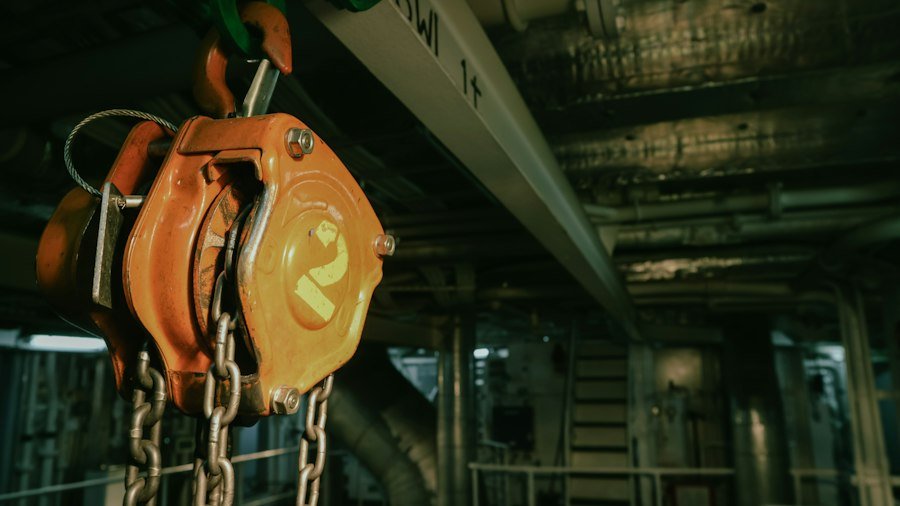
Beyond safety, goods hoists are powerful tools for boosting operational efficiency. By streamlining the movement of materials, they contribute to faster cycle times and overall increased output.
2.1 Faster Material Movement
Manual handling, especially of heavy or awkward items, is inherently slow. It requires multiple people, careful coordination, and frequent rest breaks. A goods hoist, on the other hand, can move materials continuously and at a consistent speed. This dramatically cuts down on the time spent transporting items from one point to another, accelerating production lines, warehousing operations, and construction projects.
2.2 Increased Throughput
With faster material movement comes increased throughput. Businesses can process more goods, assemble more products, or unload more shipments in the same amount of time. This direct correlation between hoist usage and production capacity translates into tangible economic benefits. For example, a warehouse utilizing hoists can load and unload trucks much quicker, reducing turnaround times and optimizing dock usage.
2.3 Reducing Workforce Requirements for Specific Tasks
While hoists don’t necessarily eliminate jobs, they can significantly reduce the number of people required for specific material handling tasks. Instead of four people struggling to lift a heavy component, one person can operate a hoist. This frees up other team members to focus on more skilled work, assembly, or other value-adding activities, effectively optimizing labor allocation within an operation. It’s about working smarter, not harder, with the available personnel.
3. Improving Workplace Safety and Reducing Accidents
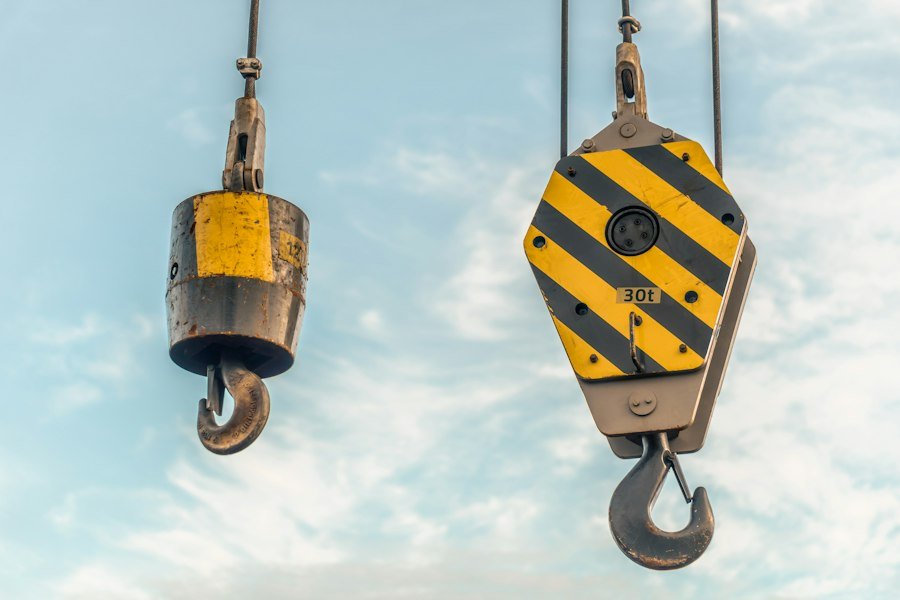
Safety is paramount in any industrial or commercial setting. Goods hoists are not just productivity tools; they are fundamental safety devices that mitigate some of the most common workplace hazards.
3.1 Preventing Sprains, Strains, and Fractures
These are the most common types of injuries associated with manual material handling. Lifting heavy objects incorrectly, dropping items, or experiencing unexpected shifts in weight can lead to debilitating injuries. Hoists, by taking over the physical act of lifting and moving, drastically reduce the incidence of these types of accidents. They provide a stable, controlled lift, minimizing the risk of a load falling or swinging unexpectedly.
3.2 Eliminating Crushing Hazards
When moving large or heavy objects manually, there’s always a risk of crushing injuries, either from the object itself or from being trapped between the object and another surface. Hoists maintain a clear separation between the operator and the load. Modern hoists also come equipped with safety features like overload protection and emergency stop buttons, further minimizing crushing risks by preventing the hoist from operating beyond its safe limits or allowing quick shutdown in an emergency.
3.3 Reducing Fatigue-Related Mistakes
Fatigue is a major contributor to workplace accidents. When workers are physically exhausted from heavy lifting, their judgment can be impaired, and their reaction times can slow down. This increases the likelihood of making mistakes that can lead to accidents. By reducing physical exertion, hoists help workers remain alert and focused throughout their shifts, leading to a safer working environment for everyone involved. A well-rested operator is a safer operator.
For businesses in Malaysia looking to improve their warehouse efficiency, investing in a goods hoist can be a game-changer. A reliable goods hoist ensures safe and efficient transportation of heavy items between floors. Choosing the right goods hoist supplier is crucial for long-term operational success.
4. Protecting Goods and Equipment
It’s not just about protecting people; hoists also play a crucial role in safeguarding the materials and equipment being handled. Damaged goods lead to waste, rework, and financial losses.
4.1 Minimizing Product Damage
Manual handling often involves bumping, scraping, or dropping items, especially when they are heavy, bulky, or fragile. Hoists provide a smooth, controlled, and precise movement of goods. This reduces the likelihood of impacts and mishandling, ensuring products arrive at their destination or next stage of production in pristine condition. This is particularly critical for high-value or delicate components.
4.2 Preventing Damage to Infrastructure
Improper manual handling of heavy items can also cause damage to floors, walls, and machinery. Dragging heavy objects across a floor can scratch or gouge surfaces. Bumping items into doorframes or other equipment can cause structural damage. Hoists lift items clear of obstacles, allowing them to be transported without making contact with surrounding infrastructure. This preserves the integrity of the workspace and reduces maintenance costs.
4.3 Enhancing Precision and Control
Many hoists offer fine control over lifting, lowering, and traversing movements. This precision is invaluable when positioning delicate components or fitting parts into tight tolerances. Unlike manual efforts where small adjustments can be difficult and awkward, a hoist allows for micro-adjustments, significantly reducing the chance of error and subsequent damage to both the item and the assembly point. This control is critical in manufacturing and assembly operations where accuracy is key.
In exploring the benefits of goods hoists in minimizing manual material handling, it’s also valuable to consider how these systems can enhance workplace safety and efficiency. A related article discusses the various innovations in material handling technology that can further streamline operations and reduce the risk of workplace injuries. For more insights on this topic, you can read the article on material handling solutions. By integrating advanced equipment like goods hoists, businesses can not only improve productivity but also create a safer working environment for their employees.
5. Versatility and Adaptability Across Industries
One of the great strengths of goods hoists is their wide range of applications. They aren’t limited to a single industry or task but rather provide valuable assistance in numerous environments.
5.1 Manufacturing and Assembly Lines
In manufacturing, hoists are indispensable. They are used to lift heavy raw materials, position components for assembly, move finished products, and load/unload machinery. From automotive plants lifting engine blocks to aerospace facilities positioning fuselage sections, hoists ensure a steady flow of materials and components, directly contributing to production efficiency and worker safety. The ability to integrate hoists with automated systems further enhances their utility here.
5.2 Warehousing and Logistics
Warehouses are all about moving goods. Hoists are used for loading and unloading trucks, stacking pallets in high racks (often as part of larger crane systems), and relocating heavy inventory within the facility. They enable faster turnaround times for shipments and optimize space utilization by allowing vertical stacking that would be impossible with manual labor alone. This is particularly true for items that are too heavy or irregularly shaped for forklifts.
5.3 Construction Sites
Construction involves moving massive amounts of heavy materials – steel beams, concrete blocks, timber, and equipment. Goods hoists, often in the form of overhead cranes or specialized lifting devices, are vital for getting these materials to where they need to be, especially on multi-story projects. They reduce reliance on dangerous manual carrying up stairs or ladders and significantly speed up the building process, while enhancing site safety.
5.4 Workshops and Maintenance Facilities
Anywhere heavy equipment needs to be serviced or repaired, a hoist is a lifesaver. Mechanics use them to lift engines, transmissions, or other heavy parts out of vehicles. Industrial maintenance teams use them to move machinery components during repair or installation. These environments often have limited space, and the precise control offered by a hoist is crucial for maneuvering heavy objects safely in confined areas.
5.5 Specialized Applications (e.g., Waste Management, Marine)
Beyond the common uses, hoists find their way into very specific niches. In waste management, they can be used to lift heavy bins or move compacted waste. In marine environments, they assist with loading and unloading cargo from vessels, raising anchors, or handling specialized equipment on offshore platforms. The fundamental principle of lifting heavy objects safely and efficiently applies universally, making hoists adaptable to almost any industry with a material handling challenge. Their robust design often makes them suitable for harsh or corrosive environments, further extending their utility.
FAQs
1. How do goods hoists help reduce manual material handling?
Goods hoists help reduce manual material handling by providing a safe and efficient way to move heavy or bulky items between different levels of a building. This reduces the need for workers to manually carry or lift heavy loads, decreasing the risk of injuries and improving productivity.
2. What are the key benefits of using goods hoists in a workplace?
Some key benefits of using goods hoists in a workplace include increased efficiency in moving materials, reduced risk of injuries to workers, improved workplace safety, and the ability to transport heavy or awkwardly shaped items with ease.
3. Are goods hoists suitable for different types of industries?
Yes, goods hoists are suitable for a wide range of industries including manufacturing, construction, warehouses, retail, and more. They can be customized to meet the specific needs of different industries and can help streamline material handling processes in various settings.
4. How can goods hoists contribute to a more ergonomic work environment?
Goods hoists can contribute to a more ergonomic work environment by reducing the physical strain on workers that comes from manual lifting and carrying heavy items. By automating the process of moving materials, goods hoists help create a safer and more comfortable workplace for employees.
5. What factors should be considered when choosing a goods hoist for a workplace?
When choosing a goods hoist for a workplace, factors to consider include the weight and size of the items to be transported, the vertical distance that needs to be covered, the frequency of use, safety features, maintenance requirements, and compliance with relevant regulations and standards.