
If you’re wondering how to make your operations smoother and more productive, a goods hoist could be a game-changer. Simply put, a goods hoist is a lifting device designed to move materials and products between different levels in a building or facility. Unlike passenger elevators, they’re built for heavy-duty, repetitive material handling, significantly reducing manual labor, speeding up workflow, and improving safety. This isn’t just about lifting things; it’s about transforming how your business handles its internal logistics.
Understanding the Basics of Goods Hoists
Before diving into the benefits, let’s get a clearer picture of what a goods hoist actually is and what it isn’t. It’s essentially a specialized lift, robustly constructed to endure the demands of industrial and commercial environments. Think of it as a dedicated workhorse for your vertical transportation needs, distinct from the lifts people use.
What Defines a Goods Hoist?
A goods hoist is specifically engineered for freight. This means it’s built with durability and capacity in mind. It often features rugged car enclosures, reinforced floors, and controls optimized for the movement of goods, not passengers. The safety mechanisms are also geared towards securing loads, which can sometimes be awkward or heavy. You won’t find plush carpets or decorative lighting here; functionality and reliability are the top priorities. Their design prioritizes strength and the ability to withstand impacts from various types of cargo, from pallets to machinery.
Key Components of a Typical System
A goods hoist system comprises several critical parts working in concert. The most obvious is the car or platform itself, which carries the load. This car travels within a hoistway or shaft, guided by rails. Power is supplied by a lifting mechanism, typically an electric motor connected to cables or hydraulic cylinders. The control system allows operators to call the hoist and send it to the desired floor, often featuring simplified buttons for up, down, and stop. Safety features are paramount, including limit switches to prevent overtravel, emergency stop buttons, and sometimes gate interlocks to ensure the hoist cannot move unless the gates are properly closed. The entire structure is designed for heavy use and longevity in demanding environments.
Differentiating Hoists from Elevators and Forklifts
It’s easy to confuse goods hoists with other lifting equipment, but their distinct roles are important to understand.
- Goods Hoists vs. Passenger Elevators: The primary difference lies in purpose and design. Passenger elevators are built for comfort, speed, and the safe transport of people, adhering to strict passenger safety codes. Goods hoists, while safe, prioritize load capacity, durability, and robust construction for materials. They often operate at slower speeds and might have simpler interior finishes. The regulations governing their installation and operation also differ significantly, reflecting their distinct functions.
- Goods Hoists vs. Forklifts: While both move materials, they serve different aspects of logistics. Forklifts excel at horizontal movement and loading/unloading at ground level, or stacking within a certain height. However, when it comes to moving heavy or bulky items between multiple floors consistently, a forklift becomes inefficient, impractical, and often unsafe. A goods hoist provides a dedicated, direct vertical pathway, eliminating the need for ramps, multiple operators, or complex maneuvering across floors. They work complementarily; a forklift might load a pallet onto a hoist, which then transports it to another level.
In addition to exploring the benefits of a goods hoist in enhancing workplace productivity, you may find it valuable to read about the advantages of passenger lifts in commercial settings. These lifts not only improve the efficiency of transporting personnel but also contribute to a more streamlined workflow. For more insights on how passenger lifts can enhance your business operations, check out this article: Passenger Lifts: Enhancing Efficiency in Commercial Spaces.
Boosting Operational Efficiency with a Hoist
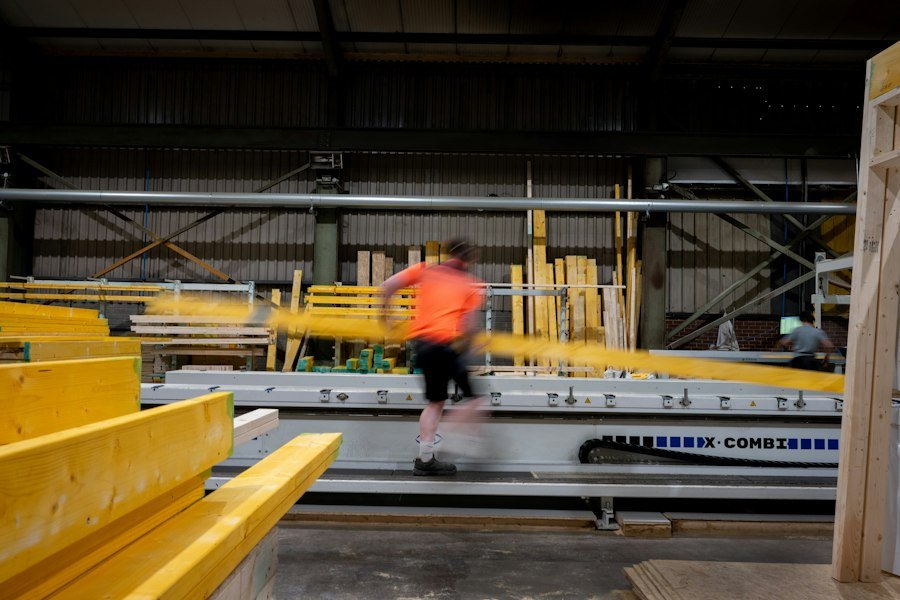
One of the most compelling reasons to invest in a goods hoist is its ability to significantly enhance operational efficiency. This translates directly to smoother workflows, reduced bottlenecks, and ultimately, a more productive work environment.
Streamlined Vertical Transportation
Imagine a scenario where goods need to constantly move between a ground-floor warehouse, a first-floor production line, and a second-floor shipping department. Without a hoist, this involves a lot of manual handling, walking up and down stairs, or using less efficient methods. A hoist creates a dedicated, direct channel.
- Faster Movement of Goods: With a hoist, materials can be moved quickly and directly to their destination floor. There’s no waiting for stairwells to clear or for multiple trips using trolleys. This speed reduces overall transportation time within the facility, allowing processes to continue without delay.
- Reduced Bottlenecks: Manual handling or using ramps can create chokepoints, especially during peak periods. Workers might queue up to use a single ramp, or bottlenecks could occur on staircases as people and goods try to share the same path. A hoist bypasses these issues by providing a dedicated vertical path, ensuring a steady flow of materials. This is particularly crucial in multi-story facilities where continuous material flow is essential for production or fulfillment.
- Optimized Workflow Integration: A well-placed hoist can be integrated directly into your existing workflow, acting as a seamless link between different operational stages. For instance, raw materials arriving at a loading dock on the ground floor can be immediately hoisted to a manufacturing level, and finished products can be sent down to a packaging area. This integration minimizes backtracking and unnecessary steps, creating a more logical and efficient progression of work.
Maximizing Space Utilization
In any facility, space is a premium. Goods hoists can help you make the most of your available square footage, both horizontally and vertically.
- Leveraging Vertical Space: Many businesses underutilize their vertical space, especially in older buildings or those not originally designed for modern logistics. A goods hoist allows you to effectively use upper floors for storage, manufacturing, or administrative purposes that would otherwise be difficult to access for material handling. This means you can store more inventory, expand production lines, or create additional functional areas without needing to expand your building’s footprint.
- Reducing Floor Obstructions: Without a hoist, moving heavy items between floors might involve temporary ramps, extended forklift routes, or designated “no-go” zones on the ground floor to stage items for manual transport. A hoist eliminates the need for these floor-level obstructions, freeing up valuable floor space for production, staging, or even wider aisles. This declutters your workspace and improves overall navigability.
- Streamlining Material Flow Paths: By moving materials directly up or down, a hoist reduces the need for long, winding paths on a single floor to get items from one point to another. This efficiency in material flow means less space is dedicated to pathways and more is available for actual work or storage.
Enhancing Productivity and Safety
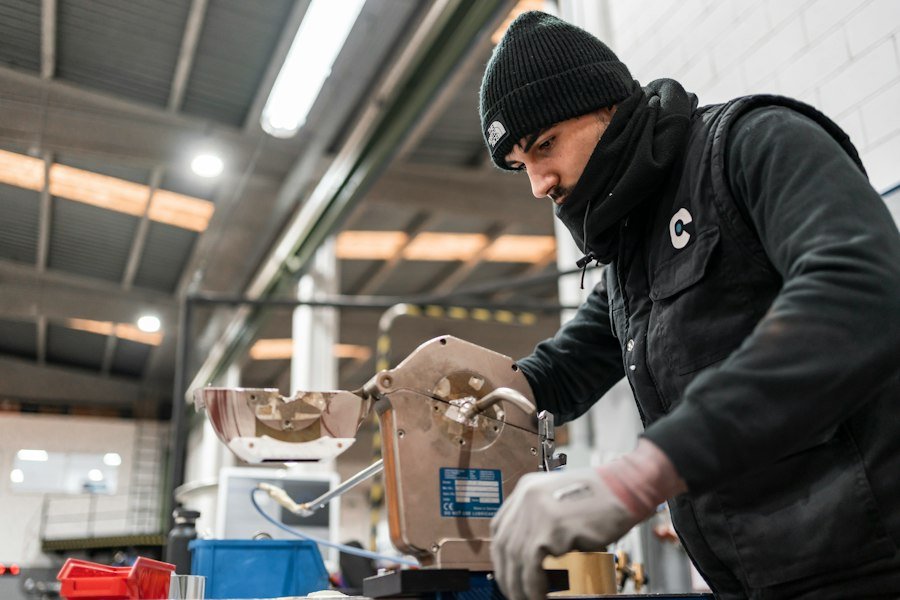
Beyond just efficiency, a goods hoist profoundly impacts the productivity of your workforce and the overall safety of your operations. These two aspects are deeply intertwined; a safer workplace is almost always a more productive one.
Minimizing Manual Handling and Strain
Heavy lifting is a major contributor to workplace injuries and worker fatigue. A goods hoist directly addresses these issues.
- Reduced Physical Exertion: Lifting heavy boxes, pushing loaded carts up ramps, or navigating stairs with bulky items all require significant physical effort. A hoist removes this strenuous activity, taking the load off your employees. This reduction in physical strain leads to less fatigue, allowing workers to maintain higher levels of focus and energy throughout their shifts.
- Lowered Risk of Musculoskeletal Injuries: Back injuries, sprains, and strains are common in environments with extensive manual material handling. By automating vertical transport, a hoist drastically reduces the incidence of these musculoskeletal disorders (MSDs). This isn’t just good for employee well-being; it also means fewer lost workdays, lower workers’ compensation claims, and a more stable workforce.
- Improved Employee Morale: Employees appreciate working in an environment that prioritizes their health and safety. Removing the most physically demanding aspects of material movement can significantly boost morale. Workers feel more valued when given the tools to perform their jobs safely and comfortably, which often translates into greater engagement and loyalty.
Mitigating Workplace Accidents
Safety is paramount, and goods hoists are designed with numerous features to ensure the secure movement of materials, thereby reducing the potential for accidents.
- Controlled Movement of Loads: Unlike manual methods where loads can shift, drop, or be mishandled, a goods hoist provides a stable, controlled environment for vertical transport. The load is securely contained within the car, preventing accidental falls or collisions during transit. This significantly reduces the risk of items falling on workers or causing damage to other equipment.
- Elimination of Stair-Related Incidents: Moving materials up or down stairs, especially heavy or awkward items, is inherently risky. Falls, trips, and dropped items are common occurrences. A goods hoist eliminates the need for workers to carry items on stairs, removing this significant source of potential accidents. This is particularly crucial in busy facilities where people and goods might otherwise share stairwells.
- Enhanced Operational Safety Features: Modern goods hoists come equipped with a range of safety features. These include interlocking gates that prevent operation if a gate is open, overload sensors that stop the hoist if the weight limit is exceeded, emergency stop buttons, and robust braking systems. These features are designed to prevent mishaps and protect both the materials being transported and any personnel in the vicinity. Regular maintenance and safety checks further ensure these systems are always functioning optimally.
For businesses in Malaysia looking to improve their warehouse efficiency, investing in a goods hoist can be a game-changer. The right goods hoist can significantly reduce manual labor and increase safety. When selecting a goods hoist, it’s important to consider the supplier’s reputation and the equipment’s specifications.
Cost Savings and Return on Investment
While the initial outlay for a goods hoist might seem significant, the long-term cost savings and rapid return on investment (ROI) often make it a wise financial decision for many businesses.
Reducing Labor Costs
Labor is a substantial operational expense, and optimizing its use can lead to considerable savings.
- Fewer Personnel for Material Handling: Without a hoist, moving items between floors might require multiple employees, especially for heavy or bulky goods. A hoist can significantly reduce the number of people needed for this task, freeing them up for more skilled, value-added activities elsewhere in the business. This isn’t necessarily about layoffs but rather about redeploying staff more strategically.
- Minimized Overtime and Expedited Shipping Fees: Manual methods are slow. If production lines are waiting for materials or finished goods are held up from shipping due to inefficient vertical transport, it can lead to overtime costs to catch up or even expedited shipping fees to meet deadlines. A hoist speeds up these processes, reducing the need for costly last-minute interventions.
- Reduced Training for Manual Lifting Techniques: While training for hoist operation is necessary, it replaces extensive, repetitive training on safe manual lifting techniques, which often needs refresher courses. The inherent safety of a hoist also reduces the frequency of training related to injury prevention from manual handling.
Lowering Maintenance and Damage Costs
The wear and tear on a facility and its contents can be substantial without proper material handling equipment.
- Decreased Damage to Goods: When items are manually moved or transported using makeshift methods, they are more susceptible to being dropped, bumped, or otherwise damaged. A goods hoist provides a secure, controlled environment for transport, significantly reducing the likelihood of product damage. This means fewer damaged goods, less scrap, and fewer customer returns, all of which directly impact your bottom line.
- Reduced Wear and Tear on Facility Infrastructure: Constantly moving heavy items through stairwells or across floors can cause damage to floors, walls, and doorframes. A dedicated hoistway prevents this wear and tear, prolonging the life of your building’s infrastructure and reducing maintenance and repair costs. This also keeps your facility looking more professional and well-maintained.
- Lower Insurance Premiums (Potentially): A safer workplace with fewer accidents and injuries can sometimes lead to lower insurance premiums for workers’ compensation and liability. By demonstrating a proactive approach to safety and risk reduction through equipment like a goods hoist, businesses might be able to negotiate more favorable insurance rates.
Long-Term Value and ROI
The initial investment in a goods hoist needs to be viewed in the context of its long-term benefits.
- Increased Production Capacity: By streamlining material flow and freeing up labor, a hoist can directly contribute to an increase in your overall production capacity. You can process more goods in the same amount of time, leading to higher output and potentially higher revenues.
- Enhanced Property Value: Installing a robust, well-maintained goods hoist can increase the overall value and functionality of your commercial or industrial property. It makes the facility more attractive to potential tenants or buyers, demonstrating a commitment to efficient operations.
- Rapid Payback Period: Many businesses find that the savings generated from reduced labor, lower damage rates, and increased efficiency lead to a relatively quick payback period for their goods hoist investment. The exact timeframe varies depending on the specific operation and cost, but the benefits often accrue rapidly, making it a sound long-term investment.
In exploring the benefits of a goods hoist in enhancing workplace productivity, you may find it valuable to read an article on the various products and services offered by USP Corporations. Their insights into efficient material handling solutions can provide a broader understanding of how integrating a goods hoist can streamline operations. For more information, check out their offerings here.
Considerations for Implementation
Deciding to install a goods hoist is a significant step, and proper planning and consideration are crucial for a successful implementation. It’s not just about buying a piece of equipment; it’s about integrating a new logistical solution into your existing operations.
Assessing Your Needs and Requirements
The first step is to thoroughly evaluate what your business truly needs from a hoist. This involves a detailed look at your current operations and future plans.
- Load Capacity and Size: What are the heaviest items you’ll need to lift? What are the largest dimensions? This will dictate the hoist’s lifting capacity and the size of the car or platform. Overestimating can lead to unnecessary costs, while underestimating can result in an unusable system. Consider future growth as well.
- Number of Floors and Travel Height: How many levels will the hoist serve, and what is the total vertical distance it needs to travel? This directly influences the hoist’s design, motor power, and safety features. More floors or greater travel height will require a more robust and complex system.
- Frequency of Use: Will the hoist be used continuously throughout the day, or only occasionally? High-frequency use demands more durable components and a more robust design to ensure longevity and minimize downtime for maintenance. Occasional use might allow for a simpler, less powerful system.
- Operational Environment: Is your facility a clean warehouse, a dusty workshop, or a potentially corrosive environment? The operating conditions will dictate the materials and finishes required for the hoist to ensure its durability and safe operation. Special considerations might be needed for extreme temperatures, humidity, or hazardous materials.
Choosing the Right Type of Hoist
There are several types of goods hoists, each with its own advantages and suitable applications. Understanding these differences is key to making an informed decision.
- Hydraulic Hoists: These hoists use a hydraulic cylinder to lift the car. They are generally slower, have lower travel heights, but are excellent for heavy loads and shorter distances. They are known for their smooth operation and require less overhead space compared to traction hoists. They are often a good choice for two or three-story buildings.
- Traction Hoists: Traction hoists use ropes or cables and a counterweight system to move the car. They are typically faster, can travel much higher, and are more energy-efficient for multi-story applications. They are commonly found in taller buildings where speed and continuous operation are important.
- Dumbwaiters: While technically a smaller version of a goods hoist, dumbwaiters are designed for much lighter loads, usually less than 500 lbs, like food, documents, or small packages. They are excellent for restaurants, libraries, or small offices needing to move small items between floors. They are not suitable for industrial-scale material handling.
- Specialized Hoists: Some industries require highly specialized hoists, such as those designed for cleanroom environments, hazardous locations, or those with unique loading requirements (e.g., car lifts, explosion-proof hoists). These are tailored to very specific operational needs and safety standards.
Installation and Maintenance Considerations
Successful implementation extends beyond just choosing the right hoist; it encompasses the entire lifecycle from installation to ongoing maintenance.
- Structural Requirements: A goods hoist is a heavy piece of machinery, and your building must be able to support its weight and the dynamic forces of operation. This often requires structural analysis and potentially reinforcement of floors, foundations, and the hoistway. Proper planning with structural engineers is essential.
- Compliance with Regulations and Standards: Hoists must comply with local building codes, safety regulations, and industry standards (e.g., ASME A17.1 in North America, EN 81 in Europe). This includes requirements for hoistway construction, fire ratings, electrical safety, and emergency systems. Working with certified professionals ensures compliance and avoids costly rectifications.
- Ongoing Maintenance Schedule: Like any heavy machinery, goods hoists require regular preventative maintenance to ensure safe and reliable operation. This includes inspections of ropes, motors, electrical systems, safety features, and lubrication. Establishing a clear maintenance schedule with qualified technicians is crucial to prevent breakdowns, extend the hoist’s lifespan, and maintain safety certifications. Ignoring maintenance can lead to costly repairs, extended downtime, and safety hazards.
- Operator Training: While hoists are designed for straightforward operation, proper training for all users is vital. This ensures they understand the controls, load limits, emergency procedures, and daily safety checks. Well-trained operators are key to efficient and safe hoist usage.
Future-Proofing Your Operations
Investing in a goods hoist isn’t just about solving today’s problems; it’s about building a more resilient, adaptable, and efficient operational framework that can support your business as it grows and evolves. It’s a strategic move that prepares your facility for the demands of tomorrow.
Scalability and Adaptability
The business landscape is constantly changing, and your infrastructure needs to be able to keep up.
- Accommodating Future Growth: As your business expands, so too might your material handling needs. A goods hoist provides a built-in solution for increased volume. If you anticipate needing more storage or production space on upper floors, a hoist ensures those areas remain accessible and functional for materials, without needing to completely re-engineer your logistics.
- Flexibility in Facility Layout: A hoist offers greater flexibility in how you utilize your multi-story space. It allows you to reconfigure production lines, storage areas, or even entire departmental layouts on different floors without being hampered by inefficient vertical transport. This adaptability can be crucial when responding to market changes or new product lines.
- Integration with Automation: As businesses move towards greater automation, goods hoists can seamlessly integrate into these advanced systems. Automated guided vehicles (AGVs) or robotic forklifts can be used to load and unload goods onto a hoist, creating a fully automated vertical and horizontal material flow. This future-proofing ensures your investment remains relevant as technology advances.
Enhanced Competitive Advantage
In a competitive market, efficiency and reliability can be key differentiators.
- Improved Delivery Times and Customer Satisfaction: By streamlining your internal logistics, a goods hoist helps you get products to the next stage faster, whether that’s to the production line or out the door for shipping. This improved speed can lead to shorter lead times, more reliable deliveries, and ultimately, higher customer satisfaction. In today’s on-demand economy, this is a significant advantage.
- Reputation as a Modern and Efficient Operation: Investing in modern, efficient equipment like a goods hoist signals to clients, partners, and employees that you are a forward-thinking, well-managed company. This can enhance your brand image, attract better talent, and inspire confidence in your operational capabilities.
- Attracting and Retaining Talent: A safe, efficient, and ergonomically sound workplace is more attractive to employees. By reducing manual strain and improving workflow, a goods hoist contributes to a better working environment, making your business more appealing to skilled workers and helping to retain your valuable workforce. This can reduce recruitment costs and maintain institutional knowledge.
Ultimately, a goods hoist is more than just a piece of equipment; it’s an investment in the long-term efficiency, productivity, and safety of your operations. By understanding its capabilities, carefully planning its implementation, and integrating it strategically into your workflow, you can unlock significant benefits that will serve your business well into the future.
FAQs
1. How can a goods hoist improve productivity in the workplace?
A goods hoist can improve productivity in the workplace by allowing for efficient and safe movement of heavy or bulky items between different levels of a building. This reduces the time and effort required to manually transport goods, enabling employees to focus on more productive tasks.
2. What are the safety benefits of using a goods hoist?
Using a goods hoist can enhance workplace safety by reducing the risk of injuries associated with manual handling of heavy items. Goods hoists are designed with safety features such as guardrails, emergency stop buttons, and overload protection, ensuring the secure transportation of goods.
3. How can a goods hoist contribute to cost savings in a workplace?
A goods hoist can contribute to cost savings in a workplace by streamlining the process of moving goods, which can lead to increased efficiency and reduced labor costs. Additionally, the use of a goods hoist can minimize the risk of damage to goods during transportation, saving money on potential repairs or replacements.
4. What types of businesses can benefit from using a goods hoist?
Various types of businesses can benefit from using a goods hoist, including manufacturing facilities, warehouses, retail stores, construction sites, and distribution centers. Any workplace that requires the movement of heavy or bulky items between different levels can improve efficiency and productivity with the use of a goods hoist.
5. Are goods hoists customizable to suit specific workplace requirements?
Yes, goods hoists are often customizable to suit specific workplace requirements. Businesses can choose from a range of hoist sizes, weight capacities, lift heights, and additional features to tailor the goods hoist to their unique needs. This customization ensures that the goods hoist integrates seamlessly into the workplace and maximizes productivity.