
Let’s talk about scissor lifts on construction sites. They’re super handy for getting workers and materials up to those tricky higher spots, but if we’re not careful, they can also be a real hazard. So, what are the absolute must-know safety tips for using scissor lifts on a busy construction site? In a nutshell, it comes down to making sure the right people are operating them, that the equipment is in tip-top shape, and that everyone on the ground knows what’s going on. We’ll break down how to achieve that.
Getting ready is half the battle, and when it comes to scissor lifts, this phase is critical. Skipping pre-use checks is like driving a car without looking at the fuel gauge – you might get lucky, but it’s a gamble you shouldn’t take on a construction site.
Operator Training: The Golden Ticket
This isn’t just a suggestion; it’s a requirement in most places, and for good reason.
- Formal Training is Key: Operators need to have completed a recognized training program. This isn’t just watching a YouTube video. It involves understanding the machine’s controls, limitations, and potential hazards.
- Site-Specific Briefings: Even a well-trained operator needs to know the ins and outs of this specific site. Are there overhead power lines? Are there uneven surfaces? What’s the ground like? These are things that need to be communicated.
- Refresher Courses: Skills can get rusty. Regular refresher training ensures operators stay up-to-date with best practices and any changes in regulations or equipment.
Pre-Operation Inspections: Every Single Time
Think of this as the scissor lift’s daily physical. It needs to be done before every shift, no exceptions.
- Visual Checks: Walk around the machine. Look for any obvious damage like dents, cracks, or leaks. Are the tires in good condition? Is the guardrail system intact?
- Fluid Levels: Check the hydraulic fluid, engine oil, and coolant. Low levels can lead to malfunctions.
- Controls and Safety Devices: Test all the controls – up, down, side-to-side, emergency stop. Make sure the horn works, and any warning lights are functional. Check the harnesses and lanyards.
- Functionality Test: Briefly raise and lower the platform in a clear, safe area. Listen for any unusual noises. Ensure the lift moves smoothly and without hesitation.
- Documentation: Keep a log of all inspections, noting any issues found and the actions taken to rectify them. This is crucial for tracking maintenance and identifying recurring problems.
Understanding the Load Capacity: No Guesswork Allowed
This is a big one that often gets overlooked. Exceeding the weight limit is a recipe for disaster.
- Know the Limit: Every scissor lift has a clearly marked maximum load capacity. This isn’t just the weight of people; it includes tools, materials, and anything else you’re taking onto the platform.
- Distribute the Weight: Even within the limit, how you load the platform matters. Spread the weight as evenly as possible to maintain stability. Don’t cluster everything on one side.
- Communicate Loads: Make sure everyone on the platform knows the total weight being carried. If in doubt, err on the side of caution and remove some items.
For those interested in enhancing their understanding of workplace safety, particularly in relation to scissor lifts, a valuable resource can be found in the article on the USPCorporations website. This article provides comprehensive insights into safety protocols and best practices for using scissor lifts on construction sites, ensuring that workers remain protected while maximizing efficiency. To learn more, visit the article here: Scissor Lift Safety Tips for Construction Sites.
Safe Operation: Keeping Things Smooth and Stable
Once you’re cleared to go, it’s time for the actual operation. This is where vigilance and adherence to procedures really count.
Ground Conditions: The Foundation of Safety
The best scissor lift in the world is useless if it’s sitting on unstable ground.
- Level Surface: Always aim to operate on a firm, level surface. Even slight inclines can shift the lift’s weight and make it unstable.
- Examine the Area: Before you move the lift, inspect the ground for soft spots, holes, trenches, or anything that could cause it to sink or tip. Construction sites are notorious for this.
- Outriggers (If Applicable): Some larger scissor lifts have outriggers. These are designed to provide extra stability. Ensure they are deployed correctly on solid ground, extending them fully as per the manufacturer’s instructions. Never operate without them if they are meant to be used.
- Awareness of Underground Utilities: If there’s any chance of digging or driving over areas with buried pipes or cables, ensure these have been located and marked.
Maneuvering the Lift: Slow and Steady Wins the Race
Speed is rarely a virtue when operating heavy machinery on a construction site.
- Clear Path: Always ensure the path ahead is clear of obstructions, people, and other equipment.
- Slow and Controlled Movements: Move the lift at a slow, controlled speed, especially when raising or lowering the platform. This allows you to react to any unexpected changes in ground conditions or surroundings.
- Watch for Overhead Obstructions: Constantly be aware of overhead hazards such as power lines, building structures, and other equipment. The platform and the lift mechanism itself can easily snag.
- Wind Considerations: Scissor lifts can be affected by wind, especially at height. Be aware of wind speed limits specified by the manufacturer and avoid operation in excessively windy conditions.
Platform Work: Staying Secure at Height
This is where the workers are, so it’s the most critical part of the operation.
- Guardrails are Non-Negotiable: Ensure all guardrails are in place and secure before operating. Never lean or sit on the guardrails.
- Full Body Harnesses: Always wear a properly fitted full-body harness with a lanyard when working on a scissor lift platform. This is your lifeline if you fall.
- Anchor Points: Connect your lanyard to the designated anchor point on the platform. Never attach it to adjacent guardrails or any other part of the lift that is not specifically designed for this purpose.
- No Riding on Guardrails or Over the Side: This should be obvious, but it bears repeating. Never attempt to extend your reach by standing on the guardrails or leaning excessively over the side. Use the lift’s movement capabilities instead.
- Keep the Platform Clear: Avoid cluttering the platform with tools and materials that could create tripping hazards or affect stability. Secure everything properly.
Site Safety Integration: Working Together
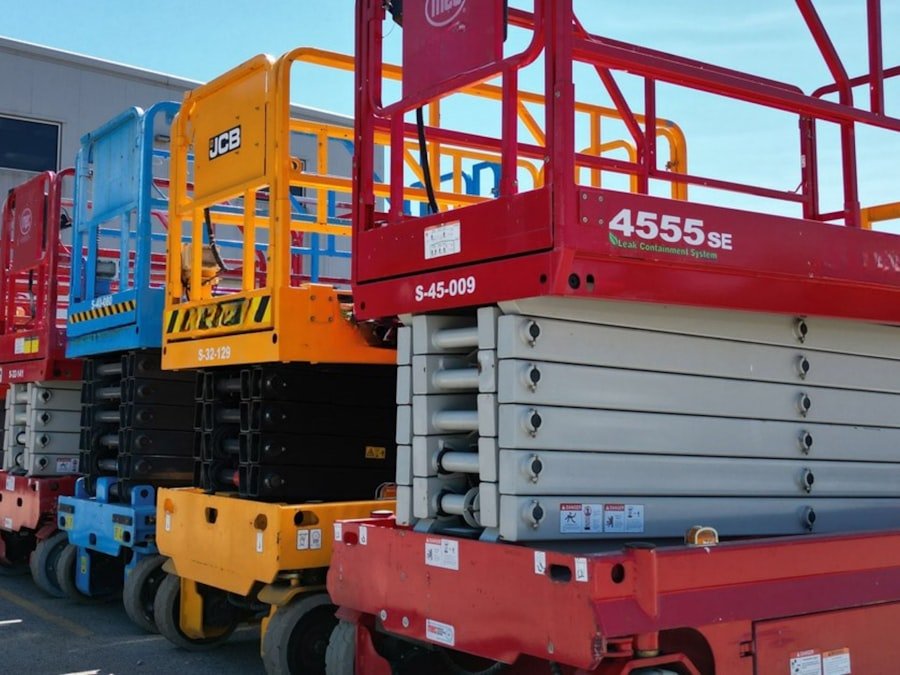
A scissor lift doesn’t operate in a vacuum. It’s part of a complex construction environment, and its safety depends on the integration with overall site safety protocols.
Communication is Key: Keeping Everyone in the Loop
This is more than just shouting. It’s about established procedures.
- Designated Spotters: For complex maneuvers, moving the lift in congested areas, or when visibility is limited, a trained spotter is essential. The spotter should maintain constant visual and verbal communication with the operator.
- Clear Signal Systems: Establish and use clear, agreed-upon hand signals or radio communication protocols between the operator, spotter, and ground crew.
- Alerting Ground Personnel: Before raising or lowering the platform, or before moving the lift, ensure all personnel in the immediate vicinity are aware. Use audible signals (like a horn or warning beep) and visual cues.
- Exclusion Zones: Clearly mark and enforce exclusion zones around the scissor lift during operation. These zones prevent unauthorized personnel from entering the danger area.
Hazard Identification and Mitigation: Proactive Prevention
Construction sites are dynamic. Hazards can appear and disappear quickly.
- Pre-Task Planning: Before starting any work involving a scissor lift, conduct a pre-task analysis (PTA) or job safety analysis (JSA). Identify potential hazards specific to the task and the location.
- Regular Site Sweeps: Supervisors and safety officers should regularly sweep the site to identify new or existing hazards that could affect scissor lift operations.
- Addressing Hazards Immediately: If a hazard is identified (e.g., a hole in the ground, an unmarked overhead obstruction), it must be addressed and mitigated before the scissor lift operation can proceed. This might involve filling the hole, barricading the area, or rerouting the lift.
- Weather Monitoring: Keep a close eye on weather forecasts. Sudden storms, high winds, or heavy rain can create unsafe conditions for scissor lift operation.
Emergency Preparedness: What If Something Goes Wrong?
Even with the best safety measures, accidents can happen. Having a plan is crucial.
- Emergency Stop Procedures: Ensure everyone knows the location and function of the emergency stop buttons on the lift and the ground controls.
- Rescue Plans: Have a clear plan for how to rescue an operator or worker if they become stranded or injured on the platform. This might involve a secondary lift, a rescue team, or specific emergency equipment.
- First Aid Availability: Ensure that first aid facilities and trained personnel are readily available on site.
- Incident Reporting: Establish a clear process for reporting all incidents, near misses, and unsafe conditions. This information is vital for learning and preventing future occurrences.
Sure, here is the sentence with the clickable link:
I found a reliable supplier for goods hoist at Goods Hoist Malaysia Supplier.
Maintenance and Repair: Keeping the Equipment Reliable
A well-maintained scissor lift is a safer scissor lift. This isn’t something you can afford to skimp on.
Regular Servicing: The Key to Longevity and Safety
Think of this as the scissor lift’s regular doctor’s visits.
- Manufacturer’s Schedule: Adhere strictly to the maintenance schedule recommended by the scissor lift manufacturer. This typically involves regular inspections and servicing by qualified technicians.
- Preventative Maintenance: Focus on preventative maintenance rather than just reactive repairs. Catching small issues before they become big ones saves time, money, and most importantly, prevents accidents.
- Qualified Technicians: All maintenance and repairs should be carried out by technicians who are trained and certified to work on the specific make and model of the scissor lift.
Addressing Defects: Don’t Delay
A damaged scissor lift should never be used.
- Tagging Out: If a defect is found during an inspection or operation, the scissor lift must be immediately tagged out of service. This involves clearly marking it as unusable to prevent accidental operation.
- Prompt Repairs: Defects must be repaired promptly by qualified personnel. Do not operate a scissor lift with known defects, no matter how minor they may seem.
- Post-Repair Testing: After any repair or significant maintenance, the scissor lift should undergo thorough testing to ensure it is functioning correctly and safely before being returned to service.
- Record Keeping: Maintain detailed records of all maintenance, repairs, and inspections. This documentation is crucial for tracking the lift’s history, ensuring compliance, and identifying trends.
When working at heights, understanding the importance of safety measures is crucial, especially when using equipment like scissor lifts. For more insights on maintaining a safe work environment, you might find the article on Construction Site Safety Guidelines particularly helpful. This resource offers comprehensive tips that complement the safety practices necessary for operating scissor lifts effectively, ensuring that workers remain protected while on the job.
Beyond the Basics: Advanced Safety Considerations
While the previous points cover the essentials, there are always more advanced aspects to consider for a truly robust safety culture.
Specialty Scissor Lifts: Different Tools for Different Jobs
Not all scissor lifts are created equal, and their safety considerations can vary.
- Rough Terrain Lifts: These are built for uneven surfaces and often have larger tires and higher ground clearance. However, their stability on extreme inclines still requires careful assessment. Understanding their specific load capacities and operational limitations on slopes is crucial.
- Electric vs. Engine-Powered: Electric lifts are quieter and produce no emissions, making them ideal for indoor work or noise-sensitive areas. Engine-powered lifts offer more power for heavier loads and rougher terrain. Each has its own set of operational considerations and potential hazards (e.g., battery charging safety for electric, exhaust fumes for engine-powered).
- Airlift and Other Specialized Platforms: While not strictly scissor lifts, other aerial work platforms have their own unique safety protocols. Ensure operators are trained on the specific type of equipment they are using.
Working at Height Regulations: Staying Compliant
Regulations exist for a reason, and adhering to them is a fundamental part of safety.
- OSHA (or local equivalent) Standards: Familiarize yourself with and strictly follow all relevant regulations from occupational safety and health authorities. This includes standards for fall protection, aerial lift operation, and general construction site safety.
- Manufacturer’s Guidelines: The manufacturer’s operating manual is your best friend. It contains specific information about the lift’s capabilities, limitations, and recommended safety practices. Never override these guidelines.
- Continuous Training and Competency: Safety isn’t a one-time achievement. It requires ongoing training, competency checks, and a commitment to continuous improvement. Regularly review incident reports and near misses to identify areas where safety protocols can be strengthened.
- Risk Assessments: Conduct thorough risk assessments for all tasks involving scissor lifts. This involves identifying potential hazards, evaluating the risks, and implementing control measures to reduce those risks to an acceptable level. The assessment should consider factors like the environment, the task, the equipment, and the people involved.
By focusing on these detailed aspects, from the initial training to the ongoing maintenance and integration with site-wide safety, you can significantly reduce the risks associated with scissor lift operation on any construction site. It’s about building a culture where safety isn’t an afterthought, but the very foundation of every task.
FAQs
What are the main safety tips for using a scissor lift on construction sites?
Some main safety tips for using a scissor lift on construction sites include ensuring proper training for operators, conducting regular equipment inspections, using fall protection equipment, and following manufacturer’s guidelines for weight limits and operating conditions.
What are the common hazards associated with using scissor lifts on construction sites?
Common hazards associated with using scissor lifts on construction sites include falls from heights, tip-overs, electrocution from overhead power lines, and collisions with other equipment or structures.
What are the regulations and standards for using scissor lifts on construction sites?
The Occupational Safety and Health Administration (OSHA) has specific regulations and standards for using scissor lifts on construction sites, including requirements for fall protection, training, equipment maintenance, and safe operation.
How can operators ensure the safe operation of scissor lifts on construction sites?
Operators can ensure the safe operation of scissor lifts on construction sites by conducting pre-use inspections, following proper operating procedures, using fall protection equipment, and being aware of their surroundings to avoid hazards.
What should construction site workers do in case of an emergency involving a scissor lift?
In case of an emergency involving a scissor lift on a construction site, workers should follow the site’s emergency procedures, such as contacting emergency services, providing first aid if necessary, and reporting the incident to their supervisor.