
Electric goods hoists are a game-changer for industrial lifting, offering a more efficient, safer, and often more cost-effective way to move heavy items compared to older methods. They’re basically motorized machines designed to lift and lower loads, and in a modern industrial setting, they bring a lot to the table that traditional hoists just can’t match.
1. Boosted Efficiency and Speed
When you’re running an industrial operation, time is money. Electric hoists significantly cut down on the time it takes to move materials around, which directly impacts your bottom line.
1.1 Quicker Cycle Times
Manual lifting or even pneumatic hoists can be slow. Electric hoists, with their powerful motors, can lift and lower loads much faster. This means more material moved in less time, reducing bottlenecks in your production or warehousing processes. Imagine how much faster a pallet of goods can be loaded or unloaded with a hoist that moves at a consistent, high speed compared to a human-powered chain hoist. This consistent speed also removes the variability you often see with manual operations, leading to more predictable workflow.
1.2 Continuous Operation Capability
Unlike human operators who need breaks, or some hydraulic systems that can overheat, electric hoists are built for continuous, sustained operation. Many models are designed for heavy-duty cycles, meaning they can keep working for extended periods without needing to cool down or rest. This is crucial in high-volume environments where downtime directly translates to lost productivity. Think about an assembly line where parts need to be constantly fed; an electric hoist can keep that flow consistent throughout an entire shift, or even multiple shifts, with minimal interruption.
1.3 Precision Positioning
Modern electric hoists often come with variable speed controls. This isn’t just about going fast; it’s also about having the ability to slow down and precisely position a load. Whether you’re carefully lowering a delicate component onto an assembly, or stacking materials in a tight space, this precision reduces the risk of damage and improves overall handling accuracy. It’s like having a fine-tuned instrument instead of a blunt tool. This level of control can significantly reduce product damage and improve the quality of assembly or storage operations.
Electric goods hoists play a crucial role in enhancing efficiency and safety in modern industrial applications, making them an invaluable asset for various sectors. For those interested in exploring additional lifting solutions, a related article on scissors lifts can provide further insights into versatile equipment that complements electric hoists. To learn more about the benefits and applications of scissors lifts, visit this article.
2. Enhanced Safety Features
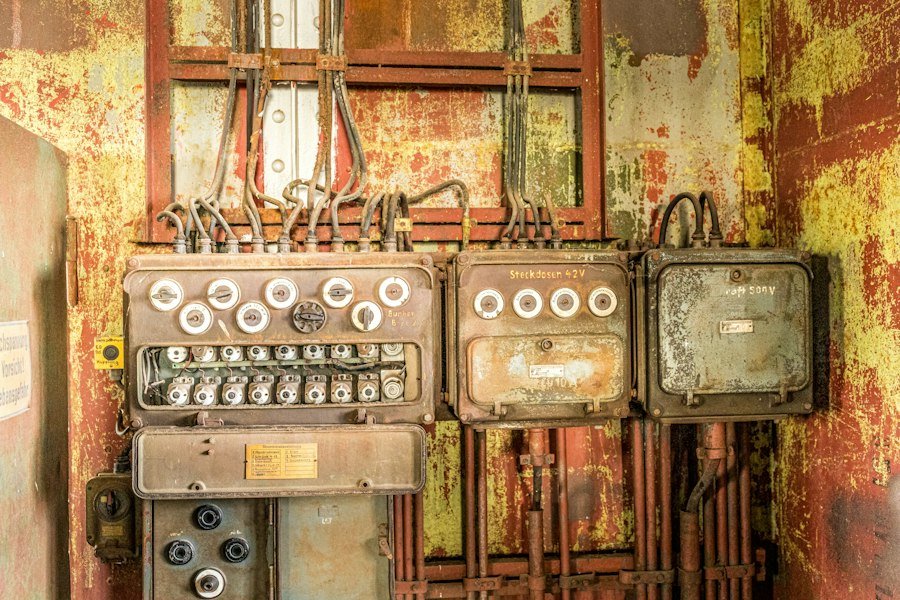
Safety in any industrial environment is paramount. Electric hoists incorporate a range of features designed to protect both the operator and the materials being moved.
2.1 Reduced Manual Strain
One of the biggest benefits is the elimination of manual lifting and pulling. This dramatically reduces the risk of muscle strains, sprains, and other musculoskeletal injuries that are common with manual material handling. Workers are no longer exerting themselves to lift heavy objects, freeing them up for less physically demanding tasks and reducing the likelihood of accidents due to fatigue. It’s a huge win for worker well-being and reduces workers’ compensation claims.
2.2 Built-in Overload Protection
Most electric hoists come with some form of overload protection. This safety mechanism prevents the hoist from lifting loads that exceed its rated capacity. If an operator tries to lift something too heavy, the hoist simply won’t engage or will automatically shut down, preventing damage to the hoist itself, the load, and potential injury to personnel. This is a critical feature, as attempting to lift oversized loads can lead to catastrophic failures.
2.3 Emergency Stop Functions
Standard on virtually all electric hoists are easily accessible emergency stop buttons. These cut power to the hoist immediately, bringing all movement to a halt. In an unexpected situation, like a load shifting precariously or a person entering the hoist’s operating zone, an emergency stop can prevent serious accidents. It provides an immediate and definitive way to mitigate developing hazards.
2.4 Controlled Descent and Braking Systems
Electric hoists are equipped with robust braking systems that ensure loads are held securely in place even if power is lost. They also allow for controlled, smooth lowering of loads, preventing sudden drops that could damage goods or injure personnel. Many systems have redundant braking mechanisms for an extra layer of safety, meaning if one brake fails, another will still engage. This engineered reliability is a huge improvement over older, less sophisticated lifting mechanisms.
3. Cost-Effectiveness Over Time

While the initial investment in an electric hoist might seem significant, the long-term cost savings and operational benefits often outweigh the upfront expense.
3.1 Lower Labor Costs
By automating the lifting process, you can often achieve the same amount of material handling with fewer personnel or reallocate staff to more value-added tasks. This can lead to substantial savings on wages, benefits, and training over the life of the hoist. The hoist becomes a consistent, tireless worker that doesn’t require overtime pay or sick leave.
3.2 Minimized Product Damage
The precision and controlled movement offered by electric hoists significantly reduce the likelihood of dropping or mishandling valuable goods. Less damaged product means less waste, fewer returns, and improved customer satisfaction, all of which contribute to your bottom line. Think about the cost of a damaged piece of machinery or a spoiled batch of delicate materials; preventing just a few such incidents can pay for a hoist in itself.
3.3 Reduced Maintenance Needs
Compared to pneumatic or hydraulic systems that might require more frequent checks for leaks, air pressure, or fluid levels, electric hoists are generally more straightforward in their maintenance requirements. While regular inspections are still crucial, they often involve less complex components, leading to simpler, less frequent, and therefore less costly maintenance procedures. Modern electric hoists are often designed for durability with sealed components that reduce exposure to dust and contaminants, further extending their operational life with minimal fuss.
For businesses in Malaysia looking to improve their warehouse efficiency, investing in a goods hoist can be a game-changer. The right goods hoist can significantly reduce manual labor and increase safety. When selecting a goods hoist, it’s important to consider the supplier’s reputation and the equipment’s specifications.
4. Versatility and Adaptability
Electric hoists aren’t a one-size-fits-all solution, but rather a flexible category of equipment that can be tailored to many different industrial needs.
4.1 Wide Range of Capacities
Whether you need to lift a few hundred pounds or several tons, there’s an electric hoist designed for the job. From small chain hoists for light assembly work to heavy-duty wire rope hoists for large manufacturing or shipping operations, the range of available capacities means you can find equipment perfectly matched to your specific load requirements. This prevents both under-specifying (which is dangerous) and over-specifying (which is costly).
4.2 Various Mounting Options
Electric hoists can be configured in numerous ways to fit your facility’s layout. They can be permanently fixed, mounted on monorail systems, or integrated into overhead crane systems. This adaptability allows for optimal use of floor space and efficient material flow, regardless of whether you have a large open warehouse or a cramped production line. This flexibility in installation means you don’t have to redesign your entire facility to accommodate the hoist.
4.3 Compatibility with Diverse Attachments
Beyond the basic hook, electric hoists can be used with a wide array of lifting attachments. This includes specialized grabs, slings, magnets, vacuum lifters, and custom fixtures designed for unique product geometries. This expands their utility far beyond simple lifting, making them indispensable for handling awkward, delicate, or unusually shaped items without damage. For example, a hoist equipped with a vacuum lifter can safely move large sheets of glass or metal without needing custom rigging for each piece.
Electric goods hoists have become increasingly essential in modern industrial applications, offering enhanced efficiency and safety in material handling. For those interested in exploring related technologies, an insightful article on car lifts and hospital lifts can provide valuable information on how these systems complement the functionality of electric hoists in various settings. You can read more about it in this related article, which discusses the advancements and benefits of these lifting solutions in contemporary industries.
5. Environmental and Operational Benefits
Modern industrial operations increasingly consider their environmental footprint and the overall quality of their working environment. Electric hoists offer advantages in both these areas.
5.1 Quieter Operation
Electric hoists are generally much quieter than their pneumatic or internal combustion engine counterparts. This reduction in noise pollution contributes to a more pleasant and safer working environment for employees, reducing stress and the risk of hearing damage over time. In enclosed industrial spaces, this can make a significant difference to daily operations and worker comfort. A quieter environment can also improve communication between workers and reduce the need for constant hearing protection, although safety regulations should always be followed.
5.2 Zero Local Emissions
Unlike hoists powered by internal combustion engines, electric hoists produce zero local emissions. This is a critical advantage in indoor environments where exhaust fumes would be a health hazard and require extensive ventilation. By eliminating these fumes, you create a healthier breathing environment for your workers and comply with increasingly stringent environmental regulations. This also contributes to a cleaner facility overall, as there are no oil or fuel residues to deal with from the hoist’s operation.
5.3 Energy Efficiency
While they consume electricity, modern electric hoists are designed to be energy-efficient. They often only draw significant power when actively lifting, and many models incorporate features like regenerative braking which can feed some energy back into the system. This efficiency can lead to lower electricity bills compared to other power sources, especially when considering the continuous operation capabilities of these machines. Investing in energy-efficient equipment aligns with broader sustainability goals and can also qualify for certain energy-saving incentives or rebates.
FAQs
What are electric goods hoists?
Electric goods hoists are mechanical devices used to lift and lower heavy loads in industrial settings. They are powered by electricity and are commonly used in warehouses, factories, construction sites, and other industrial applications.
What are the benefits of using electric goods hoists in modern industrial applications?
Electric goods hoists offer several benefits, including increased efficiency, improved safety, precise control over lifting operations, reduced manual labor, and the ability to lift heavy loads to great heights with ease.
How do electric goods hoists improve efficiency in industrial operations?
Electric goods hoists can significantly improve efficiency by speeding up the process of lifting and lowering heavy loads, reducing downtime, and allowing for quicker and more precise material handling. This can lead to increased productivity and cost savings for businesses.
What safety features do electric goods hoists typically have?
Electric goods hoists are equipped with various safety features such as overload protection, emergency stop buttons, limit switches to prevent overtravel, and safety brakes to ensure that the load remains secure even in the event of a power failure. These features help prevent accidents and injuries in the workplace.
Are electric goods hoists suitable for a wide range of industrial applications?
Yes, electric goods hoists are versatile and can be used in various industrial applications such as manufacturing, construction, warehousing, and logistics. They are available in different capacities and configurations to meet the specific lifting needs of different industries.