
Goods hoists are incredibly useful for moving heavy items around, but they can also be quite dangerous if not used correctly. The quick answer to keeping everyone safe and your operations smooth is a combination of proper training, regular maintenance, and strict adherence to established safety protocols. Think of it as a three-legged stool – if one leg is wobbly, the whole thing can come crashing down. This article will break down the essential practices every business should follow to ensure goods hoist safety, focusing on practical steps you can implement today.
1. Comprehensive Operator Training and Certification
Even the most advanced goods hoist is only as safe as the person operating it. Investing in thorough training for all personnel who interact with or operate these machines isn’t just good practice; it’s non-negotiable for safety.
1.1 Initial Training for New Operators
Before anyone lays a hand on your goods hoist, they need to understand its ins and outs. This isn’t just about pressing buttons; it’s about understanding the mechanics, the potential risks, and the emergency procedures.
- Theory First: Start with classroom-based learning covering the hoist’s specific model, its capabilities (and limitations), weight capacities, controls, and safety features. This should also include an overview of relevant regulations and company safety policies.
- Practical Application: Following theory, supervised practical training is crucial. Operators should learn how to safely load and unload, maneuver loads, identify potential hazards, and perform pre-use checks under the watchful eye of an experienced instructor. This hands-on experience builds muscle memory and confidence.
- Emergency Procedures: What happens if the hoist malfunctions, a load shifts, or someone gets caught? Operators must be drilled on emergency stops, lockout/tagout procedures, and how to safely evacuate or call for help.
1.2 Refresher Training and Continuing Education
Safety isn’t a one-and-done deal. Just like driving, skills can degrade, and new hazards or equipment updates can emerge.
- Regular Refreshers: Implement a schedule for periodic refresher training, perhaps annually or bi-annually. This helps reinforce best practices, address any bad habits that might have crept in, and keep operators up-to-date.
- Updates and New Equipment: Whenever new goods hoist models are introduced or significant modifications are made to existing ones, specific training must be provided. Don’t assume an operator who knows one hoist can automatically operate another safely.
- Incident Review: After any safety incident, no matter how minor, it’s a good opportunity to review training materials and procedures. This might highlight areas where additional training is needed for the entire team.
1.3 Certification and Competency Assessment
Simply attending training isn’t enough; you need to verify that operators have actually absorbed the information and can apply it safely.
- Written and Practical Assessments: After initial training, operators should pass both a written test on theory and a practical assessment demonstrating their ability to operate the hoist safely and competently.
- Authorization to Operate: Only certified personnel should be authorized to operate the goods hoist. This authorization should be clearly documented and possibly indicated by an ID badge or specific company permit.
- Competency Reviews: Periodically review an operator’s performance to ensure they maintain their competency. This could involve direct observation or reviewing incident reports. If a decline in performance is noted, re-training or re-certification might be necessary.
In addition to understanding the essential practices for Goods Hoist Safety, businesses can benefit from exploring related equipment safety measures, such as those outlined in the article on scissor lifts. This resource provides valuable insights into the safe operation and maintenance of scissor lifts, which are often used in conjunction with goods hoists in various industries. For more information, you can read the article here: Scissor Lift Safety Guidelines.
2. Rigorous Maintenance and Inspection Regimes
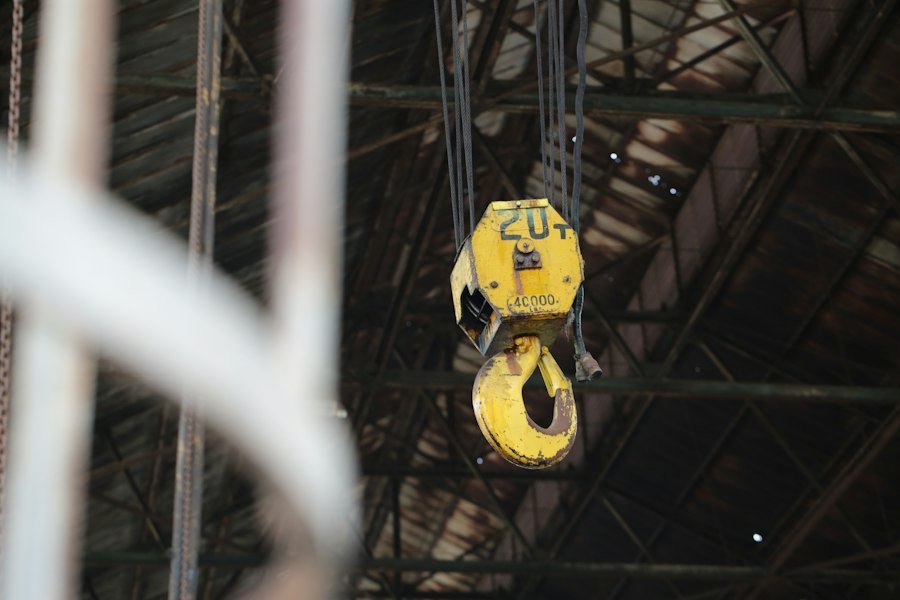
Neglecting hoist maintenance is like playing Russian roulette with your equipment and, more importantly, with your employees’ safety. A robust maintenance and inspection program is the backbone of goods hoist safety.
2.1 Daily Pre-Use Checks
These quick checks are the first line of defense against potential issues and should be mandatory before each shift or first use of the day.
- Visual Inspection: Operators should visually inspect the hoist for any obvious damage, wear, or loose components. This includes checking cables, ropes, chains, hooks, and slings for fraying, kinks, deformation, or corrosion.
- Functionality Test: Test all controls, including emergency stops, limit switches, and braking mechanisms, to ensure they are fully operational. Listen for unusual noises during operation.
- Load Test (Empty): Briefly operate the hoist with no load to confirm smooth movement and proper functionality before any goods are moved.
- Logbook Documentation: All pre-use checks, even if everything is fine, should be logged. This provides a valuable record of equipment status over time and helps identify recurring issues.
2.2 Routine Preventative Maintenance
Scheduled maintenance is about proactively addressing wear and tear before it leads to failure. This is often based on manufacturer recommendations and usage patterns.
- Lubrication: Regular lubrication of moving parts – motors, gears, bearings, chains, and wire ropes – is crucial to reduce friction and wear, extending the lifespan of components.
- Component Replacement: Adhere to manufacturer-recommended replacement schedules for critical components like brake pads, hoist ropes, and electrical contacts, even if they don’t appear visibly worn.
- Electrical System Checks: Regularly inspect wiring for damage, ensure connections are tight, and test safety interlocks and overload protection systems.
- Structural Integrity: Check the hoist’s frame, mast, and mounting points for any signs of fatigue, cracks, or deformation.
2.3 Professional Annual Inspections and Certifications
Beyond your internal checks, independent professional inspections provide an unbiased and expert assessment of your hoist’s condition.
- Certified Inspectors: Engage qualified and certified professionals to conduct thorough annual (or more frequent, depending on regulations and usage) inspections. These inspectors have specialized knowledge and equipment to detect hidden flaws.
- Load Testing: During annual inspections, a professional load test is often conducted. This involves lifting a known weight, sometimes exceeding the rated capacity (within safe limits), to confirm the hoist’s structural integrity and braking performance.
- Regulatory Compliance: These inspections often ensure compliance with local and national safety regulations, and many jurisdictions require proof of certification for goods hoists.
- Detailed Reports: Insist on detailed reports outlining all findings, including any deficiencies, recommended repairs, and a certification of fitness for use. Keep these records meticulously.
3. Clear Operating Procedures and Signage
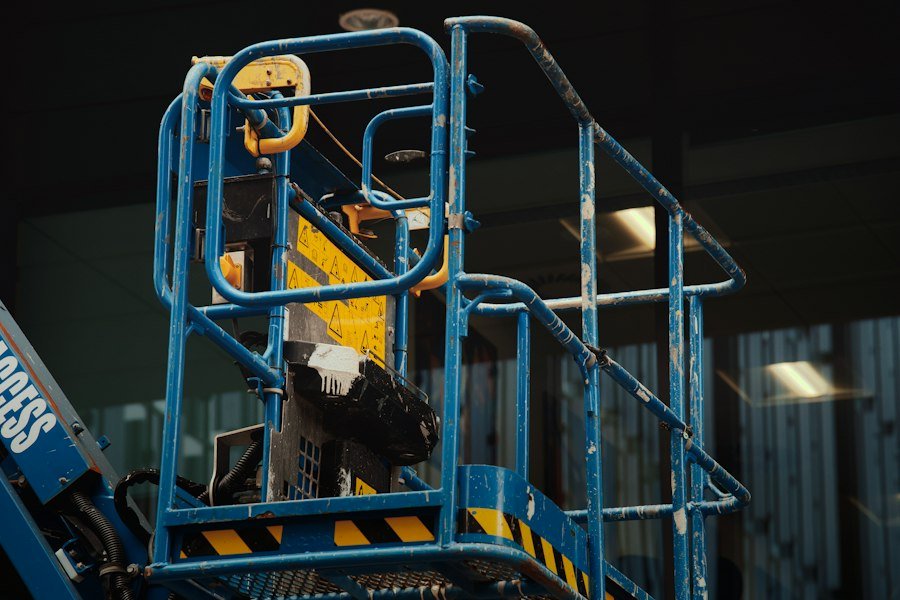
Even with trained operators and well-maintained equipment, confusion or lack of clear instructions can lead to accidents. Standardized operating procedures and clear visual cues are essential.
3.1 Standard Operating Procedures (SOPs)
SOPs remove guesswork and ensure consistency in how the goods hoist is used, minimizing the potential for human error.
- Step-by-Step Instructions: Develop clear, concise, and easy-to-understand SOPs for every common task involving the hoist, from loading and unloading to emergency stops and lockout/tagout.
- Weight Capacity Guidelines: Explicitly state the maximum load capacity and provide clear instructions on how to determine the weight of items being lifted. Emphasize that overloading is strictly prohibited.
- Load Securing Procedures: Detail methods for properly securing different types of loads, including the use of appropriate slings, chains, and attachments, and how to balance loads for stable lifting.
- Prohibited Uses: Clearly list any actions or uses that are forbidden, such as lifting people, using the hoist as a work platform, or operating it outside of designated areas.
- Review and Update: SOPs aren’t static documents. They should be reviewed periodically and updated whenever there are changes in equipment, processes, or safety regulations. Involve operators in this review process for practical insights.
3.2 Visible Safety Signage
Visual cues are powerful reminders, especially in busy environments where quick decisions are made.
- Capacity Labels: Prominently display the maximum safe working load (SWL) directly on the hoist and at loading/unloading points. Use large, clear, and durable labels.
- Warning Signs: Post warning signs about potential hazards, such as “Caution: Moving Parts,” “No Riders,” “Watch for Falling Objects,” and “Authorized Personnel Only.”
- Operational Instructions: Basic operating instructions, including emergency stop locations and basic troubleshooting steps, should be posted near the hoist controls for quick reference.
- Emergency Contact Information: Clearly display emergency contact numbers (internal safety team, maintenance, external emergency services) in case of an incident.
- Danger Zones: Mark off clear danger zones around the hoist’s travel path and loading areas using floor markings, barriers, and appropriate signage to keep unauthorized personnel at a safe distance.
3.3 Communication Protocols
Effective communication during hoist operations can prevent misunderstandings and accidents.
- Designated Spotters: For complex lifts or when visibility is limited, designate a trained spotter who can communicate directly with the operator (using hand signals, two-way radios, or other agreed-upon methods) to guide the load safely.
- Clear Commands: Establish a standardized set of commands or signals for hoist operation to avoid confusion, especially if multiple people are involved in a lifting operation.
- Lockout/Tagout Procedures: When maintenance or inspection is being performed, strict lockout/tagout procedures must be in place and clearly communicated to prevent accidental activation of the hoist. This involves isolating the power source and attaching a lock and tag stating who locked it out and why.
For businesses in Malaysia looking to improve their material handling processes, a reliable goods hoist can be a game-changer. Investing in a high-quality goods hoist ensures safety and efficiency in transporting heavy loads. Many companies have seen significant improvements in productivity after installing a goods hoist in their facilities.
4. Emergency Preparedness and Response
Even with the best preventative measures, accidents can happen. Being prepared to respond quickly and effectively is crucial to minimizing harm.
4.1 Develop a Clear Emergency Plan
A well-thought-out plan ensures everyone knows what to do when an incident occurs.
- Incident Reporting Procedures: Establish a clear process for reporting all incidents, near misses, and equipment malfunctions, no matter how minor. This data is vital for continuous improvement.
- Emergency Contact List: Maintain and prominently display a list of internal and external emergency contacts (first aid personnel, fire department, police, maintenance, management).
- Evacuation Routes and Muster Points: Ensure that hoist areas have clear evacuation routes and designated muster points in case of a major incident requiring an entire area to be cleared.
- Roles and Responsibilities: Clearly define the roles and responsibilities of key personnel during an emergency, including who is in charge, who communicates with emergency services, and who secures the area.
4.2 Emergency Equipment and First Aid
Having the right equipment readily available can make a significant difference in an emergency situation.
- First Aid Kits: Ensure easily accessible, well-stocked first aid kits are located near goods hoist operating areas. Personnel should be trained in basic first aid.
- Fire Extinguishers: Position appropriate fire extinguishers (e.g., Class ABC for general use) strategically near the hoist, and ensure employees are trained in their use.
- Spill Kits: If there’s a risk of hydraulic fluid leaks or other spills, have suitable spill kits on hand to manage containment and clean-up safely.
- Rescue Equipment: Depending on the hoist type and potential entrapment risks, consider what specialized rescue equipment might be needed (e.g., access platforms, cutting tools) and ensure trained personnel know how to use it.
4.3 Regular Drills and Review
Practice makes perfect, especially when it comes to emergency response.
- Emergency Drills: Conduct regular, unannounced emergency drills (e.g., mock hoist malfunction, trapped person scenario) to test the effectiveness of your plan and identify areas for improvement.
- Debriefing and Feedback: After each drill or actual incident, conduct a thorough debriefing session. Gather feedback from all involved parties to understand what worked well and what needs adjustment.
- Plan Updates: Use the insights gained from drills and incidents to update and refine your emergency plan and training materials.
- External Agency Coordination: Where appropriate, coordinate emergency plans with local fire departments, paramedics, and other relevant emergency services to ensure a seamless response if they need to be called upon. They may also offer valuable input on your plan.
Ensuring the safety of goods hoists is crucial for any business that relies on lifting and transporting heavy materials. To further enhance your understanding of workplace safety, you may find it beneficial to explore an article on corporate policies that promote a safer working environment. This resource can provide valuable insights into best practices and compliance measures that can help mitigate risks associated with hoist operations. For more information, you can read the article on corporate safety policies.
5. Cultivating a Strong Safety Culture
At the end of the day, all the procedures and equipment in the world won’t guarantee safety if people don’t buy into the safety message. A strong safety culture is about shared commitment.
5.1 Management Commitment and Leadership
Safety starts at the top. When management prioritizes safety, it sends a clear message throughout the organization.
- Visible Support: Management should actively participate in safety initiatives, attend safety meetings, and visibly demonstrate their commitment to hoist safety through their actions and decisions.
- Resource Allocation: Provide adequate resources – time, budget, and personnel – for training, maintenance, and implementing safety improvements. Cutting corners on safety sends a negative message.
- Lead by Example: Managers and supervisors must adhere to all safety rules themselves. If they bypass safety procedures, employees will too.
- Accountability: Establish clear lines of accountability for safety at all levels, from individual operators to senior management.
5.2 Employee Involvement and Empowerment
Engaged employees are your best asset in identifying and mitigating risks.
- Safety Committees: Form safety committees that include representatives from all levels of the workforce, especially those who directly interact with goods hoists. Their practical insights are invaluable.
- Hazard Reporting System: Implement an easy-to-use and non-punitive system for employees to report hazards, near misses, and suggest safety improvements without fear of reprisal. Reward proactive reporting.
- Consultation: Involve employees in the development and review of safety procedures and training programs. This fosters a sense of ownership and ensures practicality.
- Stop Work Authority: Empower all employees with the authority to stop work immediately if they perceive an unsafe condition related to the goods hoist, without fear of disciplinary action.
5.3 Continuous Improvement
Safety isn’t a destination; it’s an ongoing journey.
- Regular Audits and Reviews: Conduct periodic internal safety audits of goods hoist operations, not just to check compliance, but to identify opportunities for improvement.
- Performance Indicators: Track key safety performance indicators (e.g., number of incidents, near misses, training completion rates, maintenance adherence) to monitor progress and identify trends.
- Investigate All Incidents: Conduct thorough investigations into every incident and near miss, focusing on root cause analysis rather than simply blaming individuals. Use these lessons to prevent recurrence.
- Stay Updated: Keep abreast of industry best practices, new technologies, and changes in safety regulations related to goods hoists. What was state-of-the-art yesterday might be obsolete tomorrow.
By meticulously following these essential practices, businesses can significantly reduce the risks associated with goods hoists, protect their workforce, safeguard their assets, and ensure smooth, efficient operations. Safety is not an overhead; it’s an investment that pays dividends in human well-being and business continuity.
FAQs
What is a goods hoist?
A goods hoist is a type of lifting equipment used to transport goods or materials between different levels within a building. It is commonly used in warehouses, factories, construction sites, and other industrial settings.
Why is safety important when using a goods hoist?
Safety is crucial when using a goods hoist to prevent accidents, injuries, and damage to goods or property. Following safety practices helps ensure the well-being of workers and the efficient operation of the hoist.
What are some essential safety practices for operating a goods hoist?
Some essential safety practices for operating a goods hoist include regular maintenance and inspections, proper training for operators, weight capacity compliance, securing loads properly, and following all safety guidelines provided by the manufacturer.
How often should a goods hoist be inspected for safety compliance?
A goods hoist should be inspected regularly for safety compliance, typically at least once a year by a qualified professional. More frequent inspections may be necessary depending on the hoist’s usage and operating conditions.
What should I do in case of a goods hoist malfunction or emergency?
In case of a goods hoist malfunction or emergency, operators should immediately stop using the hoist, secure the area, and report the issue to the appropriate personnel. It is important to have emergency procedures in place and ensure that all workers are trained on how to respond to hoist-related emergencies.