
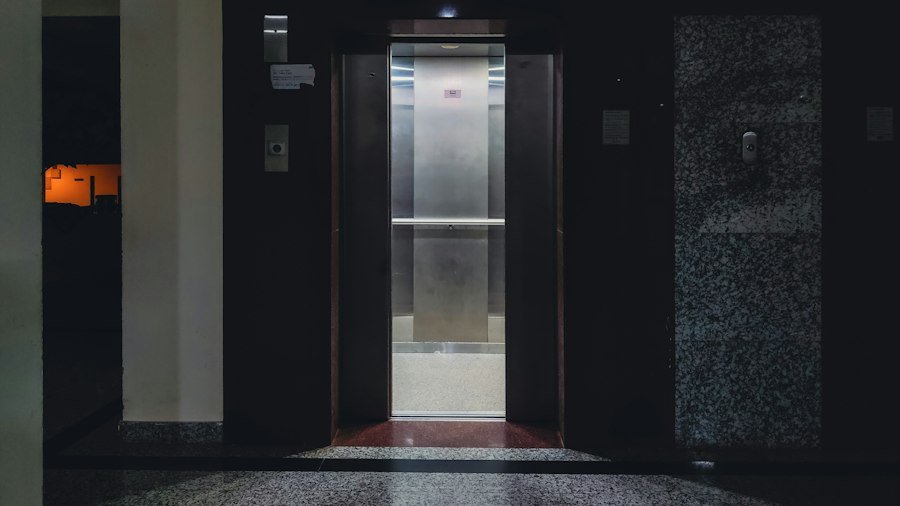
This is how you can keep your passenger lift functioning smoothly for many years: consistent, expert upkeep is essential. Consider it similar to your vehicle – you wouldn’t skip oil changes and expect it to operate flawlessly indefinitely. Lifts are intricate systems of machinery, & steady care ensures they remain safe, efficient, and dependable, helping to avoid expensive failures and considerably prolonging their operational life. Passenger lifts are designed for durability, but “durable” doesn’t equate to “maintenance-free.” Like any other advanced equipment, they undergo wear & tear over time. Parts degrade, calibrations shift, and small problems can turn into significant ones if they’re not addressed.
Proactive upkeep focuses on spotting these minor concerns before they escalate into major, costly issues. Safety is also a key factor—ensuring all systems work within their intended limits protects everyone who uses the lift.
1.1 Expected Lifespan
A properly maintained passenger lift can readily function for 20 to 30 years, and sometimes even longer. However, without adequate care, this duration can be considerably shortened.
For those interested in ensuring the longevity and reliability of passenger lifts, a related article that provides valuable insights is available at this link: Goods Hoist Maintenance Tips. This article delves into essential maintenance practices that can be applied not only to goods hoists but also to passenger lifts, highlighting the importance of regular inspections, timely repairs, and adherence to safety standards. By following these guidelines, lift operators can enhance performance and ensure a safe experience for all users.
Elements like how often it’s used (a busy office building’s lift will degrade faster than one in a private home), surrounding conditions (humidity, dust), & the standard of the original setup all contribute. Regular maintenance serves as a safeguard against these influences, helping your lift reach or even surpass its anticipated operational lifespan.
1.2 The Price of Ignoring Upkeep
Skipping planned maintenance might appear to save money in the short run, but it often ends up costing more. Unplanned failures are pricey. They involve emergency service charges, sometimes higher repair expenses due to more extensive damage, and substantial downtime. This downtime isn’t merely an annoyance; in commercial environments, it can result in lost productivity, upset tenants or clients, and even harm to your reputation. Also, neglected lifts can turn into safety dangers, leading to severe outcomes.
1.3 Legal Obligations and Standards
In many areas, there are strict rules & codes governing lift safety and maintenance.
Scheduled inspections & documented upkeep are often legally mandated. Not meeting these requirements can lead to penalties, operational halts, & insurance complications. A solid maintenance plan keeps you in compliance at all times, offering reassurance and preventing legal problems. Effective lift maintenance isn’t a universal approach. It generally blends regular checks, preventive actions, and quick handling of any problems that come up. Securing a good maintenance agreement with a trusted provider is often the most sensible option for most building owners and managers.
2.1 Scheduled Inspections & Servicing
This forms the core of lift maintenance.
For those looking to enhance building accessibility, a [Passenger Lift](https://uspcorporations.com/passenger-lift/) is an essential addition. Modern architecture often incorporates a [Passenger Lift](https://uspcorporations.com/passenger-lift/) to ensure convenience for all users. Investing in a [Passenger Lift](https://uspcorporations.com/passenger-lift/) can significantly improve the value and functionality of a property.
These are planned visits by qualified technicians who methodically examine different parts of the lift system. The frequency can vary (monthly, quarterly, or semi-annually) based on usage, lift type, & local rules. During these visits, technicians will:
– Check Mechanical Parts: This involves looking at ropes/belts, pulleys, guide rails, door systems, motor, gears, brakes, and counterweights for wear, alignment, and proper lubrication.
– Review Electrical Systems: Wiring, control panels, circuit boards, sensors, and safety switches are examined for damage, corrosion, & correct operation.
– Test Safety Mechanisms: Crucial safety features like emergency stops, door sensors, overload detectors, overspeed governors, & communication devices (intercoms, alarms) are tested to confirm they’re fully functional.
– Lubricate Moving Elements: Proper lubrication reduces friction and wear, extending the life of components.
– Adjust and Tune: Technicians make small tweaks to ensure smooth operation, proper door timing, and accurate floor alignment.
– Clean Parts: Dust, debris, and grime can interfere with sensors and moving parts, so cleaning is a vital part of the service.
2.2 Preventive Upkeep
Beyond routine checks, preventive maintenance involves proactive actions to extend component life and avoid unexpected failures.
To ensure the longevity and efficiency of your passenger lift, it’s essential to follow a comprehensive maintenance plan. Regular inspections and timely repairs can significantly enhance performance and safety. For more insights on this topic, you might find it helpful to read a related article on lift maintenance strategies that can further guide you in optimizing your lift’s operation. You can access it here.
This might include:
– Planned Part Replacement: Based on manufacturer guidelines & observed wear, certain parts may be swapped out before they fully break down (e.g., ropes, bearings, door rollers). This reduces the likelihood of an unexpected halt.
– Software Upgrades: Modern lifts often have advanced control systems that benefit from regular software updates to boost performance, efficiency, and security.
– System Surveillance: Some advanced setups allow for remote monitoring, where technicians can track performance data and detect potential problems before they become a fault.
2.3 Emergency Response and Fixes
Even with the best preventive care, problems can still occur. Having a dependable service provider with a fast response time for emergency calls is vital. This ensures any failure is handled quickly, minimizing downtime and potential inconvenience or safety hazards. A good agreement will specify response times & what’s included in terms of parts and labor for repairs.
Maintaining a passenger lift is crucial for ensuring its reliable long-term performance, and understanding the various components involved can significantly enhance its efficiency. For those looking to delve deeper into the specifics of lift maintenance, a related article on car and hospital lifts provides valuable insights into best practices and common issues faced in the industry. You can explore this informative piece further by visiting this link, which outlines essential maintenance tips that can help extend the lifespan of your lift system.
Choosing the right maintenance provider and agreement is crucial. It’s not just about the lowest price; it’s about value, trustworthiness, and knowledge.
3.1 Types of Agreements
There are generally a few types of maintenance contracts, each offering different levels of coverage:
– Basic/Lubrication & Adjustment (L&A): This usually covers routine inspections, lubrication, & minor tweaks. Parts and major repairs are billed separately. It’s often the least expensive upfront but can lead to higher unpredictable costs if significant repairs are needed.
– Semi-Comprehensive/Part-Inclusive: This contract typically covers routine maintenance and may include some smaller, common replacement parts. Larger components and more complex fixes are still charged extra.
– Fully Comprehensive: This is the most thorough type, covering routine servicing, emergency calls, and the cost of most (or all) replacement parts and labor.
While pricier upfront, it offers predictable budgeting & reassurance against unexpected large repair bills. It’s often the favored choice for critical installations or those where downtime is very costly.
3.2 Key Agreement Details
When examining a maintenance contract, pay close attention to these specifics:
– Visit Frequency: Ensure the number of scheduled visits matches your lift’s usage and manufacturer recommendations.
– Work Scope: What exactly does a service visit cover? Ask for a detailed list of tasks.
– Response Times: For emergency breakdowns, what are the guaranteed response times (e.g., within 2-4 hours)?
Is coverage available 24/7?
– Parts Coverage: If not fully comprehensive, understand which parts are included and which are extra. Clarify if certain high-cost items (e.g., control boards, motors) are specifically excluded.
– Exclusions: What is not covered? This is just as important as what is.
Common exclusions might be damage from misuse, vandalism, fire, or water.
– Technician Credentials: Ensure the provider uses fully qualified and certified lift engineers.
– Reporting: Will you get detailed reports after each visit, outlining what was done, any issues found, and recommendations? This is crucial for record-keeping and accountability.
– Contract Term and Renewal: Understand the duration of the agreement and how renewal works.
– Issue Resolution: What happens if you have a complaint or an issue isn’t resolved to your satisfaction?
3.3 Selecting a Trustworthy Provider
Don’t just go with the first company you come across. Look for providers with:
– Expertise: How long have they been in the lift maintenance field?
– Standing: Check reviews, ask for references, & look for industry certifications.
– Local Presence: A nearby company might offer quicker response times.
– Brand Specialization: If you have a specific lift brand, a company specializing in that brand might have deeper knowledge & better access to genuine parts.
– Clear Pricing: Straightforward, understandable quotes without hidden charges. While professional maintenance is necessary, there are simple steps you can take to help keep your lift in good condition and spot potential problems early.
These aren’t meant to replace professional servicing, but to enhance it.
4.1 Daily/Weekly Visual Inspections
A quick visual check by building staff can often catch minor issues before they grow.
– Listen for Unusual Sounds: Any grinding, squealing, clunking, or excessive shaking should be reported right away. Lifts should generally run smoothly & quietly.
– Examine Door Operation: Do the doors open & close smoothly without catching or slamming? Do the safety sensors (light beams or safety edges) work when blocked?
– Inspect the Cabin: Look for loose panels, broken buttons, flickering lights, or any signs of vandalism.
Ensure the emergency alarm button and intercom are accessible and appear operational (though testing these should be done carefully to avoid false alarms).
– Observe Leveling: Does the lift car stop level with the floor? Minor misalignments can be a tripping hazard and indicate a problem.
– Cleanliness: Keep the car interior and door tracks clean. Debris in door tracks is a frequent cause of door malfunctions. Use suitable, non-abrasive cleaners.
4.2 User Guidance
Encouraging careful lift usage by occupants can significantly reduce wear and tear and prevent damage.
– Respect Weight Limits: Ensure users are aware of and follow the maximum load capacity. Overloading strains the motor, ropes, and structural parts.
– Avoid Door Blocking: Advise users not to hold doors open manually for long periods or try to force them open.
FAQs
1. What are some common maintenance tasks for passenger lifts?
Common maintenance tasks for passenger lifts include regular inspections, lubrication of moving parts, cleaning the lift car and shaft, testing safety features, and checking for any unusual noises or vibrations.
2. How often should a passenger lift be serviced?
A passenger lift should be serviced at least once a year by a qualified technician. However, high-traffic lifts may require more frequent servicing to ensure reliable long-term performance.
3. What are the signs that a passenger lift may need maintenance?
Signs that a passenger lift may need maintenance include slow operation, unusual noises or vibrations, inconsistent leveling, error messages on the control panel, and doors that do not open or close properly.
4. Why is it important to follow the manufacturer’s maintenance guidelines for a passenger lift?
Following the manufacturer’s maintenance guidelines is important to ensure the safe and reliable operation of the lift. Neglecting maintenance tasks or using incorrect procedures can lead to breakdowns, safety hazards, and costly repairs.
5. How can regular maintenance prolong the lifespan of a passenger lift?
Regular maintenance can prolong the lifespan of a passenger lift by preventing wear and tear on components, identifying issues before they escalate, ensuring safety features are functioning properly, and optimizing the lift’s performance for smooth operation.