
- So, you’re wondering what commonly goes wrong with goods hoists and how to stop those headaches before they even start? Good question! In a nutshell, most goods hoist problems boil down to a few key areas: electrical hiccups, mechanical wear and tear, operator mistakes, and, often, just plain old neglect. The good news is that with a bit of proactive attention and understanding, you can prevent a lot of these issues and keep your operations running smoothly. We’re talking about everything from power fluctuations messing with controls to ropes fraying, and everything in between. Let’s dive into the specifics of what usually goes wrong and, more importantly, how you can effectively prevent it from happening.
Understanding the Common Culprits: What Usually Breaks Down
Goods hoists, like any piece of heavy machinery, are subject to various stresses that can lead to breakdowns. Knowing what to look for and where problems typically arise is half the battle won. It’s not always the dramatic failures; often, it’s a slow degradation that eventually causes a stoppage.
Electrical System Glitches
The electrical system is the brain and nervous system of your goods hoist. When it malfunctions, the hoist can become erratic, unreliable, or simply stop working altogether. These issues are often subtle at first but can escalate quickly.
Power Supply Issues
Fluctuations, surges, or sags in your main power supply can play havoc with a hoist’s electrical components. Over time, these inconsistencies can degrade sensitive electronics, leading to intermittent failures or complete shutdowns. It’s not just about a total power cut; even small inconsistencies can be problematic.
Control Panel Malfunctions
The control panel houses the buttons, switches, and often the programmable logic controller (PLC) that dictates the hoist’s movements. Worn buttons, faulty relays, or software glitches in the PLC can cause unexpected movements, inability to start or stop, or incorrect positioning. These components endure frequent use and are susceptible to wear.
Wiring and Connection Problems
Loose connections, frayed wires, or damaged insulation are surprisingly common. Vibrations from operation can shake connections loose, and environmental factors like moisture or rodents can damage wiring. A single loose wire can prevent an entire circuit from functioning, leading to frustrating diagnostic challenges.
Motor Overheating
The hoist motor works hard, especially under heavy loads or frequent cycles. If ventilation is poor, the motor is overloaded, or there are issues with its internal components (like bearings or windings), it can overheat. This often triggers thermal overload protection, shutting down the hoist to prevent permanent damage. While good for protection, it still halts operations.
Mechanical Wear and Tear
This category covers the physical components that bear the brunt of moving heavy loads. Friction, stress, and repeated motion are the enemies here, slowly but surely degrading parts over time.
Ropes, Chains, and Sheaves
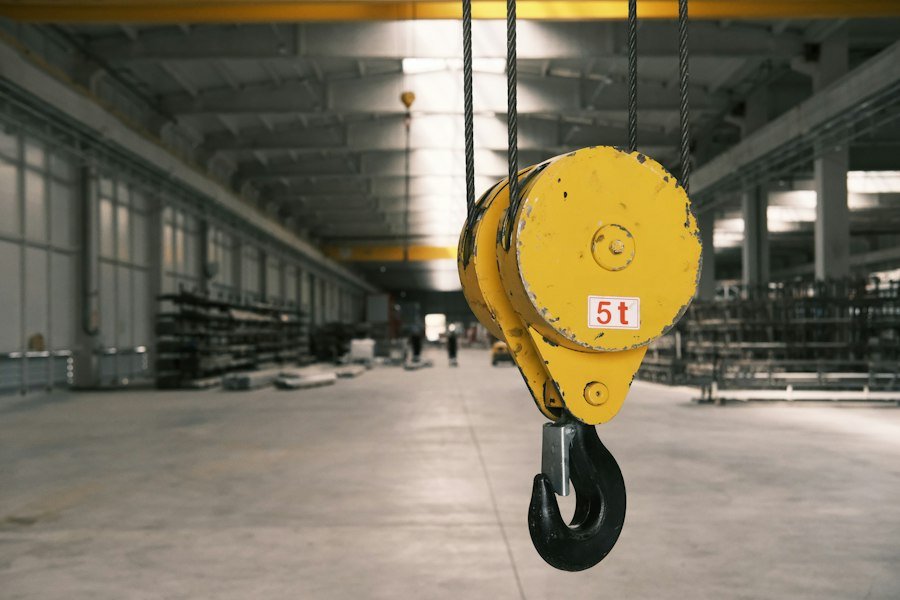
These are the workhorses that actually lift and lower the goods. Steel ropes can fray, develop broken strands, or corrode. Chains can stretch, kink, or have damaged links. Sheaves (the grooved wheels that guide ropes/chains) can wear down, leading to sharp edges that damage the ropes, or their bearings can fail, causing excessive friction and noise. These components are under constant tension and friction.
Brake System Failures
The brake system is critical for safety and precise positioning. Worn brake pads, contaminated brake surfaces, or issues with the hydraulic or electrical activation mechanisms can lead to the hoist failing to stop accurately, drifting, or not holding a load at all. A failing brake system is a major safety hazard.
Gearbox and Bearing Issues
The gearbox translates the motor’s power into usable torque and speed. Bearings, found throughout the hoist (motor, sheaves, gearbox), reduce friction. If gearbox oil levels are low, the oil is contaminated, or the gears themselves are worn, you’ll hear grinding noises and experience inefficient operation. Failed bearings will often manifest as excessive noise, vibration, and increased friction, eventually leading to seizing.
Structural Component Fatigue
The main frame, uprights, and platforms of the hoist are designed to withstand significant loads. However, over years of use, especially with overloading or impact damage, these structural components can develop cracks or deformities. While less common, these issues are very serious and require immediate attention as they compromise the hoist’s integrity.
For those looking to delve deeper into the maintenance and safety of lifting equipment, a valuable resource can be found in the article on scissors lifts. This article provides insights into common issues associated with these types of lifts and offers practical solutions to enhance their performance and longevity. To explore this further, you can read the article here: Scissors Lift Maintenance and Safety.
Proactive Prevention: Strategies to Keep Hoists Running
Knowing what typically goes wrong is excellent, but the real value comes from actively preventing those problems. This isn’t just about fixing things when they break; it’s about anticipating and mitigating potential issues before they cause downtime or, worse, safety incidents.
Implementing a Robust Maintenance Schedule
Regular, scheduled maintenance is the single most effective way to prevent goods hoist problems. It’s about checking, cleaning, lubricating, and replacing components before they reach their failure point. Think of it like servicing your car; you don’t wait for the engine to seize.
Daily Visual Checks
Empower your operators to perform quick visual checks at the start of each shift. This should be a routine part of their pre-operation checklist. They should be looking for obvious signs of trouble, like frayed ropes, strange noises, leaks, or loose components.
- Ropes/Chains: Are there any broken strands, kinks, or excessive wear? Is the lubrication adequate?
- Controls: Do all buttons and switches respond correctly? Is the emergency stop functional?
- Brakes: Does the hoist stop smoothly and hold the load securely?
- General Condition: Are there any unusual noises, vibrations, or visible damage to the structure? Any oil leaks?
Weekly and Monthly Inspections
These inspections delve a bit deeper than daily checks and often require trained personnel. They involve more detailed scrutiny of critical components.
- Electrical Connections: Check for loose wires, signs of overheating (discoloration on insulation), and proper functioning of limit switches.
- Lubrication: Verify and top up oil levels in gearboxes, and lubricate moving parts as per manufacturer guidelines. Pay attention to lubrication points on sheaves and bearings.
- Brake System: Inspect brake pads for wear, check for contamination, and test brake function under light load.
- Sheaves and Drums: Look for wear in the grooves, signs of cracking, and ensure they rotate freely without excessive wobble.
- Safety Devices: Test all emergency stop buttons, limit switches, and overload protection systems to ensure they trigger correctly.
Annual Comprehensive Overhauls
An annual overhaul is a thorough examination, often involving partial disassembly, by certified technicians. This is where components with a predicted lifespan are replaced, and a deep dive into the hoist’s overall health occurs.
- Load Testing: Perform a certified load test to ensure the hoist can safely lift its maximum rated capacity.
- Component Replacement: Replace ropes, chains, and critical bearings based on their service life or detected wear, even if they haven’t completely failed yet.
- Gearbox Inspection: Drain and inspect gearbox oil for metal particles, and inspect gear teeth for wear or pitting. Replace oil as recommended.
- Electrical System Audit: A full inspection of the control panel, motor, and all wiring for degradation or compliance issues.
Investing in Quality Components
You get what you pay for. Cutting corners on replacement parts is a false economy that almost always leads to more frequent breakdowns and higher long-term costs.
Genuine Manufacturer Parts
Whenever possible, use genuine OEM (Original Equipment Manufacturer) parts. These parts are designed specifically for your hoist, ensuring proper fit, function, and durability. Aftermarket parts can be acceptable, but ensure they meet or exceed OEM specifications.
High-Grade Lubricants
Using the correct type and grade of lubricant is crucial. Different components require specific lubricants (e.g., gearbox oil, grease for bearings). Low-quality or incorrect lubricants can accelerate wear and lead to component failure. Refer to your hoist’s manual for recommendations.
Durable Electrical Components
For switches, relays, and sensors, opt for industrial-grade components known for their reliability and resistance to environmental factors like dust, moisture, and vibration. These might cost a bit more upfront but will significantly reduce electrical-related downtime.
Training and Certification for Operators
Human error is a significant contributor to hoist problems. Well-trained operators not only run the hoist efficiently but also contribute to its longevity and safety.
Proper Operating Procedures
Ensure all operators are thoroughly trained on the correct and safe operating procedures for your specific hoist. This includes understanding its capacity, how to load and unload safely, and what actions to take in an emergency.
- Load Limits: Emphasize strict adherence to the hoist’s maximum weight capacity. Overloading is a leading cause of structural fatigue and component failure.
- Smooth Operation: Train operators to avoid sudden starts, stops, or jerky movements, which put undue stress on mechanical and electrical systems.
- Emergency Protocols: Ensure operators know how to use the emergency stop, how to safely lower a load in case of power failure (if applicable), and who to contact for issues.
Recognizing Warning Signs
Train operators to be the first line of defense. They should be able to recognize and report unusual noises, vibrations, smells, or any changes in the hoist’s behavior. Early detection can prevent minor issues from becoming major breakdowns.
Certification and Refresher Training
Regular certification and refresher courses help reinforce best practices and keep operators updated on any changes to procedures or equipment. This also ensures compliance with safety regulations.
Addressing Electrical System Vulnerabilities
The electrical system, while robust, is susceptible to a range of issues. Proactive measures here can save immense headaches and diagnostic time.
Stable Power Supply Management
An inconsistent power supply is a silent killer for electrical components. Protecting your hoist from these fluctuations is paramount.
Surge Protection Devices
Install surge protection devices (SPDs) at the hoist’s power input to shield it from voltage spikes caused by lightning strikes, grid fluctuations, or switching large inductive loads elsewhere in the facility. These devices divert excess voltage away from sensitive electronics.
Uninterruptible Power Supply (UPS) for Controls
For critical control circuits, consider a small UPS. While a UPS won’t power the main lift motor for long, it can maintain power to the control panel during brief outages or sags, allowing for a controlled shutdown or ride-through of short disruptions. This prevents abrupt stops that can stress mechanical components.
Regular Voltage Checks
Periodically check the incoming voltage at the hoist’s main disconnect with a multimeter. Significant deviations from the specified voltage (e.g., persistently low voltage) can indicate an issue with your facility’s electrical infrastructure that needs to be addressed independently.
Safeguarding Control Systems
The control panel is the command center. Protecting it from environmental factors and ensuring its components are in top shape is vital.
Enclosure Integrity
Ensure the control panel’s enclosure is sealed correctly to prevent dust, moisture, and corrosive substances from entering. Regular cleaning of the interior (when powered down and locked out) helps prevent dust buildup, which can lead to overheating or short circuits.
Component Checks
During scheduled maintenance, inspect relays, contactors, and terminal blocks for signs of wear, overheating (discoloration), or loose connections. Replace components that show significant degradation before they fail completely.
Software and Firmware Updates
If your hoist uses a PLC or other programmable controllers, ensure that its software and firmware are kept up-to-date. Manufacturers often release updates to fix bugs, improve performance, or enhance safety features.
Motor Care and Overload Protection
The motor is the heart of the hoist. Keeping it healthy means paying attention to its environment and operational parameters.
Proper Ventilation and Cleaning
Ensure the motor’s cooling fins are free from dust, dirt, and debris to allow for efficient heat dissipation. Adequate airflow around the motor is critical, especially in enclosed spaces. Regularly clean the motor exterior.
Thermal Overload Settings
Verify that the motor’s thermal overload protection is correctly set according to the manufacturer’s specifications. This device is designed to trip and shut down the motor if it starts to overheat, preventing permanent damage. Do not bypass or incorrectly set this critical safety feature.
Current Monitoring
Consider installing current monitoring devices that can detect abnormal current draws, which might indicate an impending motor issue (e.g., bearing failure, shorted windings) before a full breakdown occurs.
For businesses in Malaysia looking to improve their warehouse efficiency, investing in a goods hoist can be a game-changer. The right goods hoist can significantly reduce manual labor and increase safety. When selecting a goods hoist, it’s important to consider the supplier’s reputation and the equipment’s specifications.
Tackling Mechanical Wear and Tear Effectively
Mechanical components are constantly under stress. Effective management of wear and tear is about minimizing friction, distributing loads, and replacing parts before they catastrophically fail.
Ropes, Chains, and Sheave Management
These components are central to the lifting function and require constant vigilance.
Regular Lubrication
Follow the manufacturer’s recommendations for rope and chain lubrication. Proper lubrication significantly reduces friction, prevents corrosion, and extends the lifespan of these critical components. Use the correct type of lubricant designed for ropes or chains.
Sheave Alignment and Wear
Ensure sheaves are perfectly aligned and rotate freely. Misalignment causes uneven wear on both the sheave and the rope/chain. Inspect sheave grooves for wear, cracks, or sharp edges that could damage the lifting medium. Worn sheaves need immediate replacement.
Rope/Chain Inspection Criteria
Train maintenance staff on specific criteria for condemning ropes or chains. This includes the number of broken wires in a rope lay, signs of stretching, kinking, corrosion, or pitting in chains. Replace them proactively based on these criteria, not just when they break.
Optimizing Brake System Performance
The brake system is a key safety feature. Its reliability is non-negotiable.
Regular Adjustment and Cleaning
Brake systems require regular adjustment to compensate for wear. Ensure brake pads are cleaned and free of grease or debris that can reduce friction. Contaminated brakes are ineffective brakes.
Wear Monitoring
Monitor brake pad thickness and drum/disc surface condition. Replace brake pads before they reach their minimum allowable thickness. Also, check for scoring or uneven wear on the braking surfaces.
Functional Testing
Routinely test the brake’s ability to hold the maximum rated load. This is often part of annual inspections but can also be performed more frequently under a controlled environment to ensure consistent performance.
Gearbox and Bearing Health
These components are often hidden but are vital for efficient power transmission.
Oil Analysis and Replacement
For gearboxes, don’t just change the oil; consider periodic oil analysis. This can detect metallic particles, water contamination, or signs of oil degradation, providing early warnings of internal gearbox issues. Replace oil according to the manufacturer’s schedule, using the specified grade.
Bearing Lubrication and Replacement
Ensure all bearings are adequately lubricated with the correct grease or oil. Over-greasing can be as harmful as under-greasing. Listen for unusual noises (grinding, squealing) or feel for excessive heat or vibration around bearing housings, which are classic signs of impending bearing failure. Replace bearings proactively based on hours of operation or detected degradation.
Vibration Analysis
For larger, more critical hoists, consider implementing vibration analysis. This technique can detect subtle changes in vibration patterns that indicate early stages of bearing wear, gear tooth damage, or imbalance long before they become audible or visible.
If you’re facing issues with your Common Goods hoist, understanding the common problems and their prevention is crucial for maintaining safety and efficiency. For a deeper insight into the various products that can enhance your hoisting experience, you might find this article on hoisting solutions particularly helpful. It provides valuable information on different types of hoists and accessories that can help mitigate potential issues and improve overall performance.
The Human Element: Operator Training and Oversight
No matter how well-maintained your hoist is, improper operation can quickly undo all the preventative efforts. The human element is critical to both safety and longevity.
Comprehensive Initial Training
Every operator, regardless of prior experience, must undergo thorough training specific to the goods hoist they will be operating. This training should cover all aspects, from basic controls to emergency procedures.
Hands-On Practice
Theoretical knowledge is good, but practical, hands-on training under supervision is indispensable. Operators need to develop muscle memory and confidence in controlling the hoist, especially when handling different types of loads.
Manufacturer Guidelines and Safety Manuals
Training should explicitly reference the hoist’s owner’s manual and all safety guidelines. Operators must understand the specific features, limitations, and warnings pertinent to their equipment.
“What If” Scenarios
Incorporate discussions and simulations of “what if” scenarios, such as power failure, load shifting, or control malfunction. Knowing how to react calmly and correctly in these situations is crucial.
Continuous Education and Refresher Courses
Learning doesn’t stop after initial certification. Hoists can change, procedures can evolve, and human memory can fade.
Scheduled Refresher Training
Implement a schedule for refresher training, perhaps every 1-2 years. This helps reinforce best practices, corrects any bad habits that may have developed, and updates operators on new safety protocols or equipment modifications.
Awareness of New Technologies
If your facility upgrades hoists or introduces new safety features, ensure all operators receive specific training on these new elements.
Feedback Loop
Encourage operators to provide feedback on the hoist’s performance or any operational concerns. This creates a valuable feedback loop where their frontline experience can inform maintenance and safety strategies.
Cultivating a Safety-First Culture
Safety isn’t just a set of rules; it’s a mindset that needs to be instilled throughout the organization, starting with hoist operations.
Clear Safety Policies
Establish clear, unambiguous safety policies for hoist operation, maintenance, and interaction with loads. These policies should be visible, accessible, and regularly reviewed.
Accountability
Hold operators accountable for adhering to safety protocols. This includes consequences for negligent operation but also recognition for consistently safe practices.
Reporting Near Misses
Create a culture where operators feel comfortable reporting near misses or minor incidents without fear of reprimand. These “almost” events are invaluable learning opportunities to prevent future, more serious accidents. Analyzing near misses can highlight systemic issues or areas where training needs improvement.
Lead by Example
Supervisors and management must consistently demonstrate a commitment to safety. If management cuts corners on safety, operators will follow suit.
By diligently applying these preventive measures, you’ll not only extend the life of your goods hoist but also significantly enhance the safety and efficiency of your entire operation. It’s an investment that pays dividends in reduced downtime, lower repair costs, and, most importantly, a safer working environment.
FAQs
What are some common problems that can occur with goods hoists?
Common problems with goods hoists include motor malfunctions, hydraulic leaks, electrical issues, and wear and tear on components such as cables and pulleys.
How can I prevent motor malfunctions in a goods hoist?
To prevent motor malfunctions, it is important to regularly inspect and maintain the motor, ensuring that it is properly lubricated and free from debris. Following the manufacturer’s recommended maintenance schedule can also help prevent motor issues.
What steps can be taken to avoid hydraulic leaks in a goods hoist?
To prevent hydraulic leaks, regularly check the hydraulic fluid levels and inspect the hoses and connections for any signs of wear or damage. It is also important to follow proper operating procedures to avoid putting unnecessary strain on the hydraulic system.
How can I address electrical issues in a goods hoist?
If you encounter electrical issues with a goods hoist, first check the power source and connections to ensure everything is properly connected. Inspecting the control panel and wiring for any signs of damage or wear can also help identify and address electrical problems.
What can be done to minimize wear and tear on components like cables and pulleys in a goods hoist?
To minimize wear and tear on components like cables and pulleys, it is important to regularly inspect these parts for signs of damage or wear. Lubricating moving parts and following weight capacity guidelines can also help prevent premature wear and extend the lifespan of these components.