
Hoists are essential workhorses in many operations, and keeping them in top shape is key to safety and efficiency. To maintain a goods hoist for long-term performance, you really need a proactive and consistent approach, focusing on regular inspections, proper lubrication, timely repairs, operator training, and maintaining detailed records. It’s about preventing problems before they start and addressing small issues before they become big, expensive headaches. Think of it as a little bit of effort now saving you a lot of trouble (and money) down the road.
The Foundation: Daily & Weekly Checks
These routine checks might seem basic, but they’re your first line of defense against unexpected breakdowns. They don’t take long and can catch minor issues before they escalate into something serious.
1. Visual Inspection: Your Eyes Are Your Best Tool
Before you even power up the hoist, give it a good once-over. This isn’t just a quick glance; it’s about looking for anything out of the ordinary.
1.1. Inspecting Wire Ropes & Chains
Look for fraying, broken strands, kinks, flattening, or corrosion. Any of these signs mean the rope or chain is compromised and needs immediate attention. For wire ropes, pay close attention to areas that pass over sheaves or wind onto drums, as these are high-stress points. For chains, check for stretched links, nicks, or cracks. If you see wear, don’t just ignore it; it’s a safety hazard.
1.2. Checking Hooks & Latches
The hook is where the load connects, so its integrity is paramount. Inspect it for distortion, cracks, or excessive wear at the saddle or throat opening. The safety latch should operate freely and fully close, preventing the load from accidentally disengaging. If the latch is bent, broken, or missing, it needs to be replaced.
1.3. Examining Control Buttons & Levers
Ensure all control buttons, levers, or pendants are clearly labeled, responsive, and return to their neutral position when released. Check for any damage to the casing or wiring that might expose electrical components or interfere with operation. A sticky button could lead to an accidental movement.
1.4. Looking for Leaks & Spills
Any oil, hydraulic fluid, or grease leaks around the hoist mechanism, motor, or gearbox are red flags. Leaks indicate a seal failure, which can lead to fluid loss, reduced lubrication, and eventual component failure. Spills also create slip hazards.
1.5. Observing General Structural Integrity
Scan the hoist structure, frame, and mounting points for any visible damage, cracks, loose bolts, or signs of fatigue. Even minor damage can compromise the hoist’s load-bearing capacity and stability.
2. Operational Checks: Listen and Feel
Once the visual inspection is done, it’s time to briefly operate the hoist, paying attention to how it sounds and feels.
2.1. Testing Limit Switches
Limit switches prevent the hoist from traveling too far up or down, preventing over-travel and potential damage. Test them by operating the hoist slowly towards the upper and lower limits to ensure they activate correctly and stop the hoist. Never bypass or disable these crucial safety devices.
2.2. Checking Brake Functionality
With a light load (or no load if specified by the manufacturer), slowly lift and lower the hoist, testing the brakes. The hoist should stop smoothly and hold the load without drifting. Any grinding noises, excessive drift, or delayed stopping indicates a brake issue that needs immediate professional attention.
2.3. Listening for Unusual Noises
Pay attention to any new or unusual sounds during operation – grinding, squealing, clunking, or excessive vibration. These can be early indicators of worn bearings, gears, motors, or other mechanical problems. A healthy hoist should operate relatively smoothly.
2.4. Observing Movement & Smoothness
The hoist should move smoothly and consistently in all directions. Jerky, erratic, or hesitant movements can signal problems with the motor, controls, or mechanical components.
For those looking to enhance their understanding of goods hoists and their operational benefits, a related article titled “Advanced Goods Hoists Have the Potential to Enhance Operational Efficiency” provides valuable insights. This article discusses the latest advancements in goods hoist technology and how they can significantly improve efficiency in various industries. You can read more about it here: Advanced Goods Hoists.
Planned Preventative Maintenance: The Backbone of Longevity
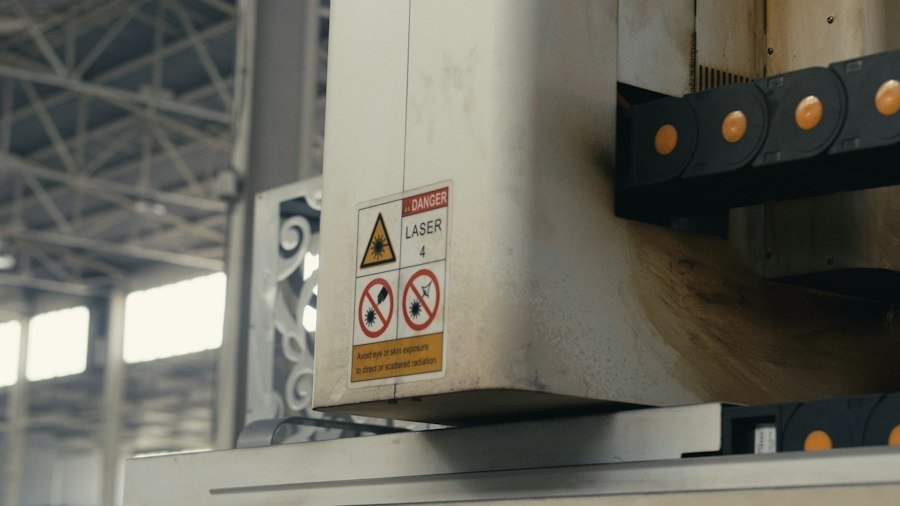
While daily checks catch immediate issues, planned preventative maintenance (PPM) is about systematically addressing wear and tear before it leads to breakdowns. This is where you get ahead of the curve.
3. Lubrication: The Lifeblood of Moving Parts
Proper lubrication reduces friction, prevents wear, and dissipates heat. It’s often overlooked but is absolutely critical.
3.1. Following Manufacturer’s Recommendations
Different hoists and components require specific types and schedules of lubrication. Always refer to your hoist’s manual for the exact grease, oil, and frequency. Using the wrong lubricant or lubricating too often/infrequently can be just as detrimental as not lubricating at all.
3.2. Lubricating Bearings & Gears
Bearings often require specific greases, applied with a grease gun at regular intervals. Over-greasing can be as bad as under-greasing, so follow the guidelines. Gearboxes usually contain oil and require periodic oil level checks and oil changes. Contaminated or low oil levels in a gearbox can quickly lead to catastrophic failure.
3.3. Applying Lubricant to Wire Ropes & Chains
Wire ropes require a special penetrating lubricant that can get into the core of the rope, preventing internal corrosion and wear. Chains also need lubrication to ensure smooth articulation of links and reduce friction. This extends their life significantly.
3.4. Cleaning Before Lubricating
Before applying new lubricant, always clean the old, contaminated grease and dirt from accessible points. This prevents grit from being driven into bearings and maintains the effectiveness of the new lubricant.
4. Component Inspection & Replacement: Wear and Tear is Inevitable
Even with the best lubrication, components will eventually wear out. Proactive replacement is always better than reactive repair.
4.1. Inspecting & Adjusting Brakes
Beyond daily checks, a more thorough inspection of brake linings, discs, and springs should be part of your PPM schedule. Linings wear down, springs lose tension, and adjustments might be needed to maintain proper stopping power and prevent brake fade.
4.2. Examining Electrical Systems & Wiring
Inspect all electrical connections for signs of corrosion, loose terminals, or frayed insulation. Check motor brushes (if applicable) for wear. Ensure all emergency stop buttons function correctly. Faulty wiring can lead to intermittent operation, motor damage, or even fire.
4.3. Checking Motor & Gearbox Condition
Listen for unusual noises. Check for excessive heat buildup around the motor or gearbox housing, which can indicate bearing failure, overloading, or low oil levels. Vibration analysis can also be used for early detection of issues in these critical components.
4.4. Assessing Sheaves & Drums
Sheaves and drums guide the wire rope or chain. Inspect them for wear, nicks, or grooves that can damage the rope. The contour of the sheave groove should match the diameter of the rope. Worn sheaves can significantly reduce rope life.
4.5. Replacing Worn Parts Proactively
Based on manufacturer recommendations and the wear observed during inspections, replace parts like brake pads, motor brushes, certain bearings, or even entire wire ropes/chains before they fail completely. This prevents secondary damage and minimizes downtime.
To ensure the longevity and efficiency of your goods hoist, it is essential to follow proper maintenance practices. For further insights on this topic, you may find it helpful to read an article on the importance of regular inspections and servicing for industrial equipment. This resource outlines key strategies that can enhance the performance of your hoist and prevent costly breakdowns. You can explore the article by clicking on this link. Implementing these tips will not only extend the lifespan of your goods hoist but also improve overall operational safety.
5. Load Testing: Verifying Capacity and Safety
Periodic load testing is a non-negotiable safety requirement for many hoists, especially after major repairs or installations.
5.1. Understanding Regulations & Standards
Be aware of the local regulations and industry standards governing hoist load testing. These dictate the frequency, test loads, and procedures. Usually, new hoists require an initial load test, and subsequent tests are performed periodically or after major overhauls.
5.2. Conducting Proof Load Testing
A proof load test involves lifting a weight exceeding the hoist’s rated capacity (typically 125%). This test verifies the hoist’s structural integrity and ability to safely handle its maximum rated load. It must be conducted by qualified personnel using certified weights and procedures.
5.3. Regular Operational Load Testing
While not as rigorous as a proof load test, regularly (e.g., annually) testing the hoist at or near its full rated capacity with a known, certified weight can help confirm its ongoing performance and stability under normal working conditions.
Specialized Maintenance: When You Need the Pros
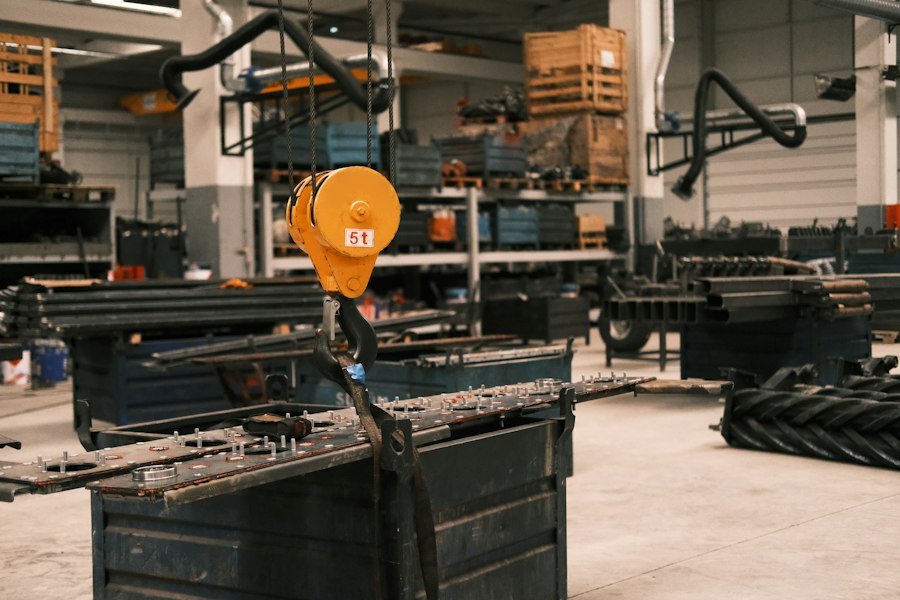
Some tasks are beyond the scope of in-house daily or weekly checks and require specialized knowledge, tools, or certification.
6. Professional Inspections & Servicing: Leave it to the Experts
Regularly scheduled professional inspections are vital for regulatory compliance and catching deeper issues.
6.1. Annual or Bi-Annual Thorough Inspections
Have a certified hoist technician perform a comprehensive inspection at least annually, or more frequently depending on usage and environmental conditions. They’ll have the expertise and specialized tools to detect problems that might be missed by in-house staff, such as internal gear wear, motor winding issues, or subtle structural fatigue.
6.2. Advanced Diagnostics
Professionals can utilize advanced diagnostic tools like thermal imaging to detect hot spots in motors or electrical panels, vibration analysis to pinpoint bearing or gear issues, and ultrasonic testing to check for hidden cracks in critical components.
6.3. Compliance with Regulations
Professional servicing often ensures that your hoist maintenance program complies with local, national, and international safety standards and regulations (e.g., OSHA, ASME). They can provide the necessary documentation and certifications.
7. Calibration of Safety Devices: Precision is Key
Safety devices are only effective if they’re accurate.
7.1. Overload Protection Systems
Many modern hoists have overload protection systems that prevent lifting weights exceeding the rated capacity. These systems need periodic calibration to ensure they trip accurately. An uncalibrated system could either allow an unsafe overload or trip unnecessarily, causing operational delays.
7.2. Anti-Sway and Positioning Systems
If your hoist is equipped with advanced features like anti-sway technology or precise positioning systems, these will require periodic calibration and checks to ensure they function as intended, maintaining safety and operational efficiency.
For businesses in Malaysia looking to improve their warehouse efficiency, investing in a goods hoist can be a game-changer. The right goods hoist can significantly reduce manual labor and increase safety. When selecting a goods hoist, it’s important to consider the supplier’s reputation and the equipment’s specifications.
Training, Documentation & Best Practices: The Human Element & The Paper Trail
Even the best-maintained hoist can be damaged by improper use or lack of historical data.
8. Operator Training: Competence Breeds Safety
Well-trained operators are less likely to misuse the equipment and more likely to identify problems early.
8.1. Comprehensive Initial Training
All hoist operators must receive thorough initial training covering safe operating procedures, load limits, emergency stop protocols, and how to perform daily visual checks. This should include hands-on instruction.
8.2. Refresher Training & Certification
Regular refresher training helps reinforce safe practices and updates operators on any changes to the hoist or operating environment. Certification ensures that only qualified personnel are operating the equipment.
8.3. Understanding Load Limits & Safe Practices
Operators must be intimately familiar with the hoist’s rated capacity and never attempt to lift loads exceeding it. They should also understand proper rigging techniques, load balancing, and how to interpret load charts.
9. Record Keeping: Your Hoist’s History Book
Detailed records are invaluable for tracking maintenance, identifying trends, and proving compliance.
9.1. Maintaining a Logbook for Each Hoist
Each hoist should have its own dedicated logbook or digital record. This log should include:
- Purchase date and serial number.
- All inspection dates and findings (daily, weekly, professional).
- All maintenance performed, including parts replaced, dates, and technicians.
- Lubrication schedules and types of lubricants used.
- Any incidents, near misses, or unusual observations.
- Load test certificates.
9.2. Tracking Wear & Service Intervals
By documenting everything, you can identify patterns of wear, predict when certain components might need replacement, and ensure service intervals are met. This moves you from reactive to predictive maintenance.
9.3. Compliance & Warranty Documentation
Good records are crucial for demonstrating compliance with safety regulations and for supporting warranty claims. In the event of an incident, detailed maintenance logs can be invaluable.
10. Environmental Considerations & Storage: Guarding Against the Elements
The environment where the hoist operates plays a significant role in its longevity.
10.1. Protecting from Dust, Moisture, & Corrosive Environments
If possible, operate and store hoists in clean, dry environments. In dusty or dirty conditions, consider covers or more frequent cleaning. For corrosive environments (e.g., coastal areas, chemical plants), specialized hoists with corrosion-resistant coatings or components might be necessary, and more frequent inspections for rust are vital.
10.2. Temperature Extremes
Extreme heat or cold can affect lubricants, electrical components, and even the structural integrity of materials. Ensure the hoist is rated for the ambient temperature and consider specialized lubricants or enclosures if operating outside the recommended range.
10.3. Proper Storage During Downtime
If a hoist is going to be out of service for an extended period, follow manufacturer guidelines for storage. This usually involves cleaning, lubrication, covering, and potentially removing critical components for safekeeping.
By diligently following these tips, you’ll not only extend the working life of your goods hoist but also significantly enhance the safety of your operations, reduce unexpected downtime, and ultimately save money in the long run. It’s an investment, not an expense.
FAQs
1. What are some key maintenance tasks for ensuring the long-term performance of a goods hoist?
Key maintenance tasks for ensuring the long-term performance of a goods hoist include regular inspections, lubrication of moving parts, checking for wear and tear, testing safety features, and keeping the hoist clean.
2. How often should a goods hoist be inspected for maintenance purposes?
A goods hoist should be inspected for maintenance purposes at least once every six months. However, in high-usage environments, more frequent inspections may be necessary to ensure optimal performance and safety.
3. What are some common signs that indicate a goods hoist may require maintenance?
Common signs that indicate a goods hoist may require maintenance include unusual noises during operation, slow or jerky movements, leaks or drips, and inconsistent performance. It is important to address these issues promptly to prevent further damage.
4. Why is it important to follow the manufacturer’s maintenance guidelines for a goods hoist?
Following the manufacturer’s maintenance guidelines for a goods hoist is crucial to ensure its long-term performance and safety. These guidelines are designed to help prevent breakdowns, extend the hoist’s lifespan, and maintain its efficiency.
5. How can regular maintenance of a goods hoist help prevent costly repairs in the future?
Regular maintenance of a goods hoist can help prevent costly repairs in the future by identifying and addressing minor issues before they escalate into major problems. By keeping the hoist well-maintained, you can avoid unexpected breakdowns and prolong its overall lifespan.