
So, you’re thinking about getting a goods hoist installed? Good call! A properly installed goods hoist can be a real game-changer for moving heavy items between floors, whether it’s in a warehouse, workshop, or even a multi-level retail space. The short answer is that before you even think about lifting a single component, you need a solid plan, a clear understanding of regulations, and the right people on board. Skipping these early steps can lead to headaches, safety hazards, and costly reworks down the line. This guide will walk you through the essential tips to ensure your goods hoist installation goes smoothly and safely.
1. Laying the Groundwork: Initial Planning and Assessment
Before any tools come out, a significant amount of thought and planning needs to happen. This isn’t just about picking a hoist; it’s about understanding your needs, your space, and what the law requires.
1.1 Understanding Your Needs and Usage
Think about what you’ll actually be lifting. It sounds obvious, but many people underestimate this.
- What’s the maximum weight? This is critical. Don’t just think about your average load; consider the heaviest single item you’ll ever need to move. Overloading a hoist is incredibly dangerous.
- What are the dimensions of your typical items? This dictates the size of the hoist platform and the opening it needs to pass through. Don’t forget about any packaging or pallets.
- How often will it be used? A hoist for occasional use might have different durability requirements than one running constantly throughout the day. High-frequency use will demand more robust components and potentially more frequent maintenance.
- How many floors will it service? This affects the hoist’s travel height and the complexity of the control system.
- Who will be operating it? Will it be trained personnel only, or will multiple people need access? This impacts safety features and ease of use.
- What’s the environment like? Is it dusty, wet, corrosive, or extreme temperatures? This will influence the type of materials and electrical components required for the hoist to function reliably and safely. For instance, a food processing plant will need stainless steel components for hygiene.
1.2 Site Survey and Structural Considerations
This is where you bring in the experts. Don’t skip this step.
- Structural Integrity: A goods hoist exerts significant forces on a building’s structure. You must have a qualified structural engineer assess the proposed installation location. They’ll determine if floors, walls, and the roof (if applicable for overhead mounting) can support the hoist’s weight, the weight of its maximum load, and the dynamic forces generated during operation. Reinforcement might be necessary, and it’s always better to know this upfront.
- Available Space: Measure everything meticulously. This includes floor-to-ceiling heights, available footprint on each level, and clear pathways to load and unload the hoist. Don’t forget about headroom for maintenance access above the hoist.
- Shaft or Opening Requirements: If you’re cutting through floors, the size and location of the shaft are crucial. Ensure it aligns vertically across all levels and leaves enough space for the hoist itself, safety clearances, and any necessary wiring or counterweights.
- Power Supply: Hoists need a dedicated power supply, often three-phase. An electrician will need to confirm the availability of suitable power at the installation site and plan for the necessary wiring and circuit breakers.
- Access for Installation: Consider how the hoist components will get into the building and to the installation point. Are there doorways wide enough? Is there room for lifting equipment if large sections need to be moved?
1.3 Budgeting and Return on Investment
While not strictly an installation tip, understanding the financial implications is part of getting started.
- Detailed Quotations: Get several quotes from reputable suppliers. Ensure these quotes are comprehensive, detailing the hoist unit, installation costs, potential structural modifications, electrical work, shipping, and any necessary permits or inspections.
- Hidden Costs: Factor in potential costs for things like structural engineering reports, building permits, increased electricity consumption, and ongoing maintenance contracts.
- ROI Calculation: While the initial outlay can be significant, consider the long-term benefits: increased efficiency, reduced manual handling injuries, faster material flow, and improved overall productivity. This helps justify the investment.
Before embarking on your Goods Hoist Installation project, it’s essential to gather as much information as possible to ensure a smooth process. A related article that can provide valuable insights is “Essential Considerations for Safe Hoist Operation.” This article delves into safety protocols, maintenance tips, and the importance of professional installation, which can significantly impact the longevity and efficiency of your goods hoist. For more information and to get in touch with experts in the field, you can visit this link.
2. Navigating Regulations and Safety Standards
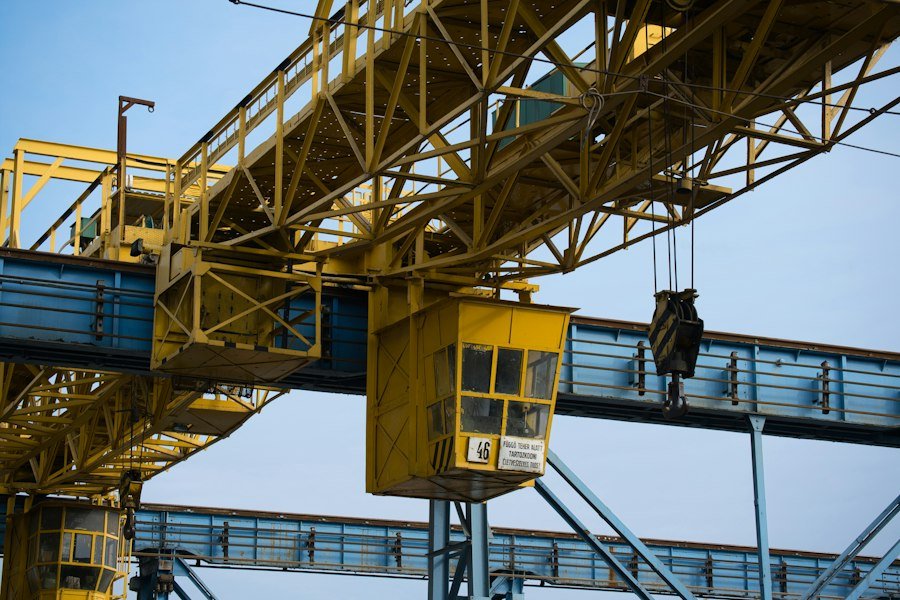
This is non-negotiable. Ignoring regulations can lead to severe penalties, accidents, and even fatalities. Every jurisdiction has specific rules for lifting equipment.
2.1 Understanding Local Codes and Standards
- Building Codes: Your local building authority will have specific requirements for shaft construction, fire ratings of doors, and structural modifications. These must be adhered to.
- Occupational Health and Safety (OHS) Regulations: These laws govern the safe design, installation, operation, and maintenance of all machinery in the workplace, including goods hoists. They often dictate specific safety features, operational procedures, and training requirements.
- Specific Hoist Standards: There are often national or international standards (e.g., ASME A17.1 in North America, EN 81 series in Europe) that detail the technical requirements for hoist design, safety devices, and testing. Your hoist supplier should be able to confirm compliance.
- Permits and Inspections: Almost certainly, you’ll need a building permit for the installation. After installation, a certified inspector (often from a third-party agency or the local authority) will need to inspect and approve the hoist before it can be put into service. Get these sorted early.
2.2 Essential Safety Features to Look For
A good hoist isn’t just about lifting; it’s about lifting safely.
- Overload Protection: This prevents the hoist from operating if the load exceeds its rated capacity, protecting both the equipment and personnel.
- Safety Gates/Doors: All access points to the hoist shaft or platform must have interlocked gates or doors. The hoist should not operate unless all gates are closed and locked, and the gates should not open unless the platform is present at that level.
- Emergency Stop Buttons: Clearly marked and easily accessible emergency stop buttons should be present at each landing and on the hoist platform itself.
- Safelies and Limit Switches: These prevent the hoist from over-traveling at the top or bottom of its path and prevent accidental operation.
- Anti-Fall Devices: In the event of a primary lifting mechanism failure (e.g., rope break), these devices engage to prevent the platform from free-falling.
- Warning Lights and Alarms: Visual and audible signals indicate when the hoist is in motion or if there’s a fault.
- Hold-to-Run Controls: For some types of hoists, the operator must continuously press a button for the hoist to move, releasing it stops the hoist immediately.
- Maintenance Access: Safe and clear access for routine inspection and maintenance is a safety feature in itself, preventing shortcuts and risky procedures.
2.3 Engaging Qualified Professionals
Do not attempt a DIY hoist installation, even if you’re handy.
- Certified Installers: Choose a company with experience installing goods hoists specifically. They should have certified technicians familiar with the particular hoist model and all relevant safety standards.
- Licensed Electricians: All electrical work must be performed by a licensed electrician who understands the power requirements and safety protocols for industrial machinery.
- Structural Engineers: As mentioned, a qualified structural engineer is crucial for assessing your building’s capacity to support the hoist.
3. Selecting the Right Goods Hoist
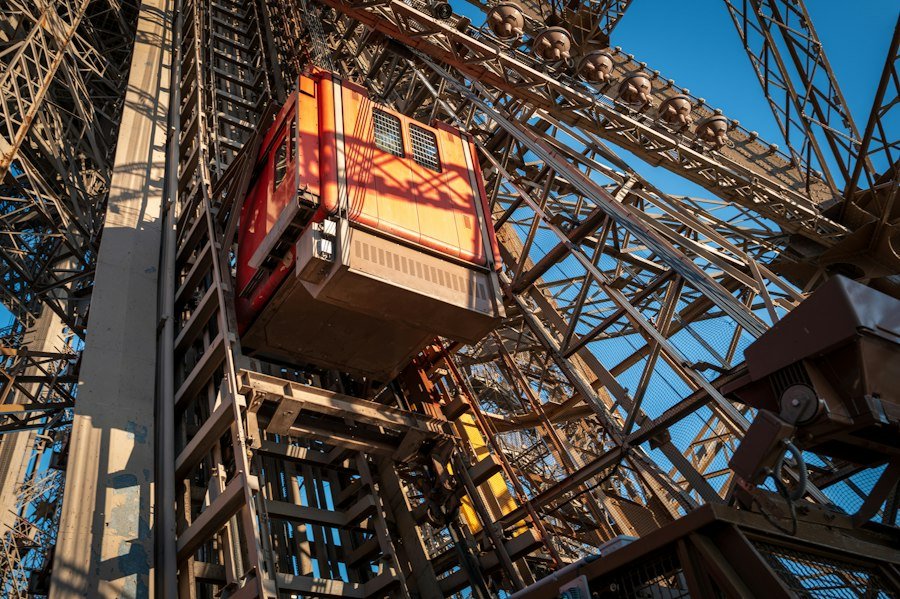
With your needs defined and regulations understood, it’s time to choose the actual hoist. This isn’t a one-size-fits-all situation.
3.1 Types of Goods Hoists
Different designs suit different needs and building types.
- Vertical Reciprocating Conveyors (VRCs): These are essentially industrial lifts designed to move materials between two or more levels. They are not passenger lifts and come in various configurations (cantilever, four-post, two-post) depending on load capacity and application. They are very common for industrial and warehouse settings.
- Dumbwaiters: Smaller versions of VRCs, typically used for lighter loads like food, documents, or small packages between floors in restaurants, offices, or even multi-story homes.
- Scissor Lifts (Vertical Table Lifts): While some scissor lifts can be fixed in place to move goods vertically, they are often more limited in travel height compared to VRCs. They’re good for loading docks or transitioning between a mezzanine and ground level.
- Chain Hoists / Wire Rope Hoists (Overhead Systems): These are typically mounted to an overhead beam or gantry and lift loads vertically, sometimes with horizontal movement along a track. While great for loading and unloading within a single level or into a truck, they are not typically used for inter-floor transport in the same way a VRC is, unless specifically designed with a platform and shaft enclosure.
3.2 Key Specifications to Match Your Needs
Revisit your initial assessment when comparing models.
- Capacity (Weight): This is paramount. Always choose a hoist with a capacity comfortably exceeding your maximum anticipated load.
- Platform Size: Ensure it’s large enough to accommodate your largest items, including any pallets or trolleys you might use.
- Travel Height: The hoist must be able to reach your highest desired floor, with sufficient stopping accuracy.
- Speed: How quickly do you need items moved? Faster hoists might be more expensive but can significantly improve workflow.
- Drive System: Common types include hydraulic (smooth, good for heavy loads, but can be slower) and electric motor/chain/wire rope (faster, good for higher travel, more energy-efficient).
- Power Requirements: Confirm the hoist’s electrical needs match your site’s available power supply.
- Durability and Materials: Consider the construction materials (e.g., painted steel, galvanized, stainless steel) based on your operating environment.
3.3 Supplier Reputation and Support
Choosing the right supplier is almost as important as choosing the right hoist.
- Experience and Track Record: Look for suppliers with a proven history in goods hoist installations. Check references if possible.
- After-Sales Support: What kind of warranty do they offer? Do they provide maintenance contracts? Are spare parts readily available? Good support is crucial for long-term reliability.
- Customization Options: Can they tailor the hoist to your specific spatial or operational requirements, or is it a one-size-fits-all solution?
- Compliance: Ensure they are knowledgeable about and adhere to all relevant local and national safety standards and codes.
For businesses in Malaysia looking to improve their warehouse efficiency, investing in a goods hoist can be a game-changer. The right goods hoist can significantly reduce manual labor and increase safety. When selecting a goods hoist, it’s important to consider the supplier’s reputation and the equipment’s specifications.
4. The Installation Process: What to Expect
Once you’ve made your choices and completed the paperwork, the physical installation begins. Knowing what to expect can help you prepare and coordinate.
4.1 Site Preparation Before Installers Arrive
Doing your homework here can save time and money.
- Clear the Area: Ensure the installation site on all affected floors is completely clear of obstacles, equipment, and personnel.
- Access Pathways: Confirm delivery routes for hoist components are clear and accessible for forklifts or lifting gear.
- Power Ready: Ensure the dedicated power supply is installed, tested, and ready for connection by the electrician.
- Structural Readiness: Any necessary structural reinforcements or shaft construction should be completed and inspected before the hoist installers arrive.
- Safety Zone: Establish a clear exclusion zone around the installation area to prevent unauthorized access.
- Lighting: Ensure adequate lighting is available in the work area.
4.2 Step-by-Step Installation Overview
While every installation differs, the general sequence is often similar.
- Component Delivery and Unloading: Parts arrive on-site, are checked against the packing list, and carefully moved to the installation area.
- Base Plate Installation: The hoist’s base frame is anchored securely to the floor, ensuring it is perfectly level and aligned. This is critical for the entire hoist’s stability and smooth operation.
- Mast/Column Erection: The vertical support structures (masts or columns) are assembled and precisely aligned. This often involves lifting and securing sections.
- Platform Assembly and Integration: The hoist platform is assembled and attached to the drive mechanism and guiding rails within the mast/shaft.
- Electrical Wiring and Controls: The hoist’s control panel, motors, limit switches, and safety interlocks are wired by a qualified electrician.
- Safety Device Integration: All safety gates, emergency stops, overload sensors, and anti-fall devices are connected and tested.
- Shaft Enclosure (if applicable): If the hoist is within an open shaft, the fire-rated enclosures, doors, and surrounds are installed.
4.3 Minimizing Disruption
A hoist installation can be disruptive, but planning can mitigate this.
- Schedule Strategically: If possible, schedule the installation during off-peak hours, weekends, or facility shutdowns to minimize impact on operations.
- Communicate: Keep all affected staff informed about the installation schedule, expected disruptions, and safety protocols.
- Temporary Rerouting: Plan for alternative routes for pedestrian and material traffic if primary pathways are blocked.
- Waste Management: Have a plan for debris and packaging disposal.
Before embarking on your goods hoist installation, it’s essential to gather as much information as possible to ensure a smooth process. A related article that can provide valuable insights is available at USPCorporations, where you can find detailed guidance on the various aspects of hoist systems, including safety considerations and installation tips. This resource can help you make informed decisions and avoid common pitfalls during your project.
5. Post-Installation: Commissioning, Training, and Maintenance
The installation isn’t truly complete until the hoist is fully functional, safe, and ready for use.
5.1 Commissioning and Testing
This is the final hurdle before operation.
- Supplier Testing: The installation team will perform a comprehensive series of tests. This includes testing all movements (up, down, stopping at each level), all safety devices (emergency stops, interlocks, overload protection), and general operational smoothness.
- Load Testing: The hoist will be tested with progressively heavier loads, up to and including its rated maximum capacity, to ensure it operates safely and correctly under full load.
- Final Adjustments: Any necessary fine-tuning to controls, limit switches, or door mechanisms will be made.
- Third-Party Inspection: In most cases, a certified independent inspector will need to inspect the installed hoist against relevant safety standards and codes. They will typically issue a certificate of compliance before the hoist can be legally operated.
5.2 Operator Training
A powerful piece of machinery requires trained operators.
- Comprehensive Training: The supplier should provide thorough training to all personnel who will operate the hoist. This should cover:
- Basic operation (starting, stopping, calling the hoist, sending loads).
- Loading and unloading procedures (proper weight distribution, securing loads).
- Understanding control panel indicators and error messages.
- Emergency procedures (what to do if something goes wrong, using emergency stops).
- Daily pre-operation checks.
- Reporting faults or malfunctions.
- Safety Briefing: Emphasize the importance of never exceeding load limits, never riding the hoist, and never disabling safety features.
- Documentation: Provide operators with a copy of the operating manual and safety guidelines. Consider posting clear operating instructions near the hoist.
5.3 Ongoing Maintenance and Servicing
A hoist is a machine; it needs looking after.
- Manufacturer’s Recommendations: Adhere strictly to the manufacturer’s recommended maintenance schedule. This typically includes daily checks, weekly inspections, and more in-depth monthly, quarterly, or annual services.
- Preventative Maintenance Contract: Consider signing up for a preventative maintenance contract with your supplier or a specialist service provider. This ensures regular inspections, lubrication, adjustments, and timely replacement of worn parts, significantly extending the hoist’s lifespan and preventing costly breakdowns.
- Record Keeping: Maintain detailed records of all inspections, maintenance, repairs, and certifications. This is often a legal requirement and is invaluable for troubleshooting and future planning.
- Prompt Repairs: Don’t ignore minor issues. Small problems can quickly escalate into major, expensive, and dangerous failures if not addressed promptly by qualified technicians.
By carefully considering these tips before you start, you’ll be well on your way to a successful and safe goods hoist installation that serves your needs reliably for years to come.
FAQs
1. What are the key factors to consider before installing a goods hoist?
Before installing a goods hoist, it is important to consider factors such as the weight and size of the goods to be transported, the height and capacity requirements of the hoist, the available space for installation, safety regulations, and maintenance needs.
2. Do I need any special permits or approvals for installing a goods hoist?
Depending on your location and the type of goods hoist being installed, you may need to obtain permits or approvals from local authorities or regulatory bodies. It is important to check with the relevant authorities to ensure compliance with all necessary regulations.
3. What are the different types of goods hoists available for installation?
There are various types of goods hoists available for installation, including hydraulic hoists, traction hoists, and pneumatic hoists. Each type has its own advantages and is suitable for different applications based on factors such as load capacity, speed, and space requirements.
4. How can I ensure the safety of goods hoist installation?
To ensure the safety of goods hoist installation, it is important to hire experienced professionals for the installation process. Regular maintenance and inspections should also be conducted to identify and address any potential safety hazards. Following all safety guidelines and regulations is crucial for safe operation.
5. What are the maintenance requirements for a goods hoist after installation?
After installation, a goods hoist requires regular maintenance to ensure optimal performance and safety. Maintenance tasks may include lubrication of moving parts, inspection of cables and pulleys, testing of safety features, and overall system checks. It is recommended to follow the manufacturer’s maintenance guidelines for the specific hoist model.