
- Before you even think about installing a goods hoist, the absolute most critical thing to check is whether your structure can actually handle the weight. This isn’t just about the hoist itself, but also the maximum load it’s designed to lift, and any dynamic forces that come into play during operation. Neglecting this foundational check can lead to catastrophic structural failure, putting lives at risk and causing extensive damage. It’s the bedrock of a safe and efficient installation.
Structural Integrity Assessment: Can Your Building Take the Strain?
Installing a goods hoist isn’t like hanging a picture frame; it’s a significant structural alteration. The hoist itself, its motor, guide rails, and the goods it carries all exert considerable force on the building. Ignoring this can have dire consequences, ranging from cracks and sagging to complete structural collapse. This isn’t just about the immediate point of attachment; the forces can be distributed and impact surrounding areas.
Understanding Static vs. Dynamic Loads
It’s crucial to differentiate between static and dynamic loads. A static load is the constant weight of the hoist components and the maximum load it’s designed to carry when stationary. This is relatively straightforward to calculate. Dynamic loads, however, are more complex. These occur during operation – acceleration, deceleration, and sudden stops can all significantly increase the forces exerted on the structure. Imagine a heavy crate being lifted quickly and then brought to an abrupt halt; the downward force at that moment can be much greater than the crate’s static weight.
Consulting a Structural Engineer: Non-Negotiable
This isn’t a DIY job. You absolutely need to engage a qualified structural engineer. They’ll assess your building’s plans, foundation, and existing structural elements (beams, columns, floor slabs). They’ll perform calculations to determine if the proposed hoist location and its maximum anticipated loads (both static and dynamic) are within the building’s safe limits. They might recommend reinforcements, such as adding steel beams, strengthening columns, or pouring new concrete foundations, if the existing structure isn’t adequate. Don’t skip this step to save a few bucks; the cost of a structural engineer is a tiny fraction of the potential damage and liability if something goes wrong.
Material Condition and Age of the Structure
The age and material condition of your building play a huge role. An older building, especially one not originally designed for heavy industrial use, will require a more thorough and cautious assessment. Are there signs of rust in steel beams, cracks in concrete, or deteriorated timber? These factors significantly impact the load-bearing capacity. Even modern buildings can have localized weaknesses or previous alterations that might compromise their ability to support a hoist. The engineer will look at the entire load path, from the hoist attachment points all the way down to the foundation.
Future-Proofing for Potential Upgrades
While you’re at it, consider any future expansion or increased load requirements. If there’s a chance you might need a heavier hoist or lift larger items down the line, it’s often more cost-effective to incorporate those structural considerations now rather than having to re-do everything later. A good structural engineer can advise on designing for a bit of extra capacity, if practical and within budget.
Before installing a goods hoist, it’s crucial to consider various factors to ensure safety and efficiency. For a comprehensive guide on lifting and handling products, you can refer to the article on USP Corporations, which provides valuable insights into the selection and installation of lifting equipment. This resource can help you understand the essential features and specifications to look for when choosing a goods hoist. To learn more, visit this link.
Power Supply & Electrical Requirements: Can You Handle the Juice?
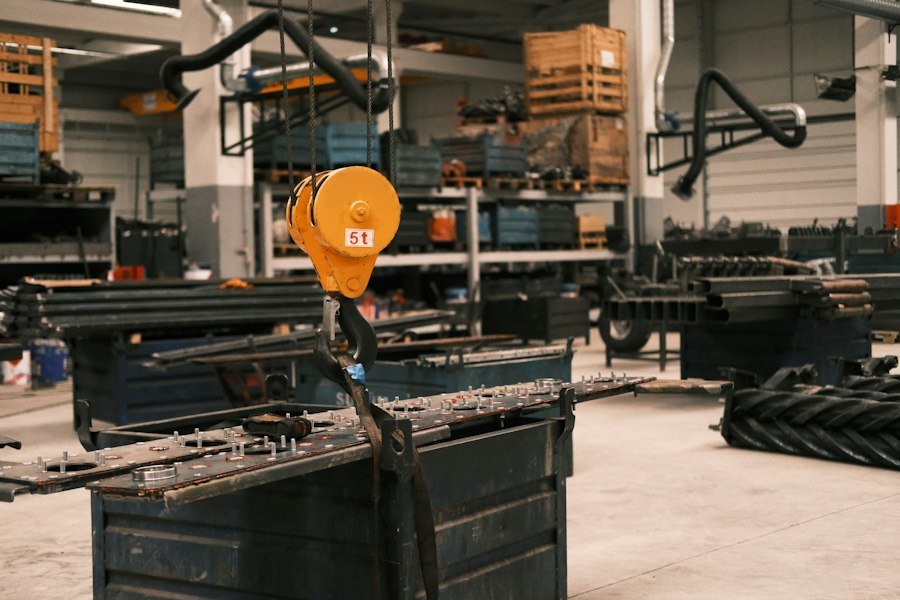
A goods hoist is essentially a powerful motor doing heavy lifting, and powerful motors need a robust electrical supply. Underestimating or improperly planning for this can lead to frequent tripping circuit breakers, motor damage, or even electrical fires. It’s not just about plugging it in; it’s about making sure your entire electrical system can support the new demand safely and efficiently.
Voltage, Amperage, and Phase Compatibility
First, check the hoist’s specifications for its voltage (e.g., 240V, 400V, 480V) and amperage draw. Then, compare this with your existing building’s electrical supply. Many industrial hoists require three-phase power, which might not be available or adequately provisioned in all buildings, especially older ones or those primarily designed for office use. If you only have single-phase power and the hoist needs three-phase, you’re looking at a significant electrical upgrade or the need for a phase converter, which adds complexity and cost.
Dedicated Circuits and Overcurrent Protection
A goods hoist should always be on its own dedicated circuit, meaning it doesn’t share its power supply with other equipment. This prevents overload and ensures consistent power delivery. The circuit breaker or fuse protecting this circuit must be correctly sized for the hoist’s maximum amperage draw, with a suitable safety margin. Too small, and it will trip constantly; too large, and it won’t provide adequate protection against overcurrent, leading to potential motor damage or fire.
Wiring Gauge and Cable Management
The wiring leading to the hoist must be of the correct gauge (thickness) to safely carry the required current over the distance. Undersized wiring can overheat, leading to energy loss, reduced efficiency, and fire risk. Proper cable management is also crucial – ensuring cables are protected from damage, routed safely away from pinch points or moving parts, and appropriately supported to prevent strain. Flexible conduits or cable trays are often used in hoist installations.
Emergency Stop and Isolation Switches
Safety regulations typically mandate easily accessible emergency stop buttons near the hoist and a main isolation switch that can completely cut power to the unit for maintenance or in an emergency. These aren’t optional extras; they’re critical safety features that need to be properly installed and tested.
Engaging a Qualified Electrician: Mandatory
Just like with structural checks, you need a certified and experienced electrician for this. They will assess your current electrical panel, verify capacity, install the dedicated circuit, ensure proper grounding, and connect the hoist according to local electrical codes and the manufacturer’s specifications. They’ll also perform necessary tests to confirm everything is working safely and correctly. Don’t underestimate the complexity; electrical work can be extremely dangerous if not handled by a professional.
Space & Layout Considerations: Does It Fit, And Can It Be Used Safely?
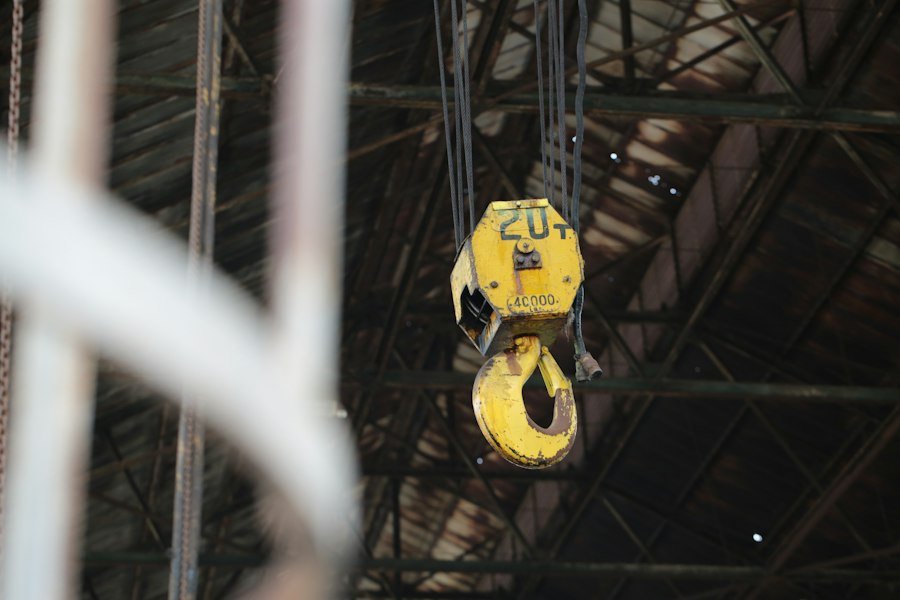
It might sound obvious, but ensuring you have enough space isn’t just about the hoist itself, but also its operational footprint and the surrounding area. A hoist that’s technically installed but impossible to load or unload efficiently, or that creates safety hazards, isn’t really a solution. This check goes beyond just the immediate hoist footprint.
Hoist Dimensions and Operational Envelope
Beyond the hoist’s static dimensions, consider its operational envelope. How much space does the platform occupy when moving? Are there any protruding parts, counterweights, or guide rails that extend beyond the main structure? You need clear space for the hoist to move freely throughout its entire travel path, both vertically and horizontally (if applicable). This includes any doors, gates, or loading ramps that are part of the system.
Loading and Unloading Zones: Critical Accessibility
This is where many installations fall short. You need adequate clear space at both the loading and unloading levels for materials to be easily and safely moved onto and off the hoist. Think about the size of the items you’ll be moving and the equipment you’ll use (pallet jacks, forklifts, trolleys). Can a forklift approach the hoist opening without complex maneuvering? Is there enough space for a person to safely position items and then step back? Obstructions, tight corners, or inadequate turning radii can severely hamper efficiency and increase the risk of accidents.
Headroom and Pit Requirements
Vertical clearance is crucial. Is there enough headroom at the top landing for the hoist to reach its full height without colliding with the ceiling, overhead lights, or other fixtures? If the hoist requires a pit for flush floor loading, is there sufficient space and structural allowance for that excavation? Pit depth, drainage, and concrete work need to be factored in.
Egress and Emergency Access
In case of a malfunction or emergency, can people safely exit the area around the hoist? Are emergency access routes kept clear? Consider situations where personnel might be on the hoist platform – how would they be safely retrieved? These are often overlooked but vital for comprehensive safety planning.
Proximity to Other Equipment and Traffic Flow
Will the hoist’s operation interfere with other machinery, pedestrian walkways, or vehicle traffic? A hoist located in a high-traffic area without proper barriers or traffic control can become a significant hazard. Planning for dedicated pathways and clear signage around the hoist area is essential to prevent collisions and ensure smooth operations.
Future Expansion and Adaptability
As with structural considerations, think about the future. Will the hoist block a potential expansion area? Could a future change in workflow necessitate relocating the hoist, making its current position inefficient? Planning for some flexibility can save a lot of headaches and costs down the line.
For businesses in Malaysia looking to improve their warehouse efficiency, investing in a goods hoist can be a game-changer. The right goods hoist can significantly reduce manual labor and increase safety. When selecting a goods hoist, it’s important to consider the supplier’s reputation and the equipment’s specifications.
Manufacturer Specifications & Regulatory Compliance: Playing by the Rules
Ignoring manufacturer guidelines or local safety regulations isn’t just risky; it’s illegal and can invalidate your insurance. This check is about ensuring your hoist installation meets all the necessary legal and operational requirements, protecting both your staff and your business.
Adhering to Manufacturer’s Installation Manual
This is your bible. The hoist manufacturer’s installation manual contains specific instructions, warnings, and requirements that must be followed. This includes everything from specific anchor bolt types and torque settings to electrical connection diagrams and lubrication schedules. Deviating from these instructions can void warranties, compromise safety, and lead to premature equipment failure. Don’t assume you know better; these manuals are developed based on extensive engineering and testing.
Local Building Codes and Safety Standards
Every region has its own set of building codes, safety standards, and regulations governing the installation and operation of lifting equipment. These can vary significantly depending on your location. Examples include OSHA (Occupational Safety and Health Administration) in the US, EN (European Norms) standards in Europe, and specific local council regulations. These codes dictate everything from required safety features (e.g., interlocks, emergency stops, overload protection) to minimum clearances, signage, and maintenance schedules.
Load Capacity and Safety Factors
The hoist’s rated load capacity is not just a suggestion; it’s a critical safety limit. Understanding the safety factor built into this capacity is important. Regulations often require that hoists be designed with a significant safety margin (e.g., able to withstand 1.25x or 1.5x their rated load without failure). Overloading a hoist even once can compromise its structural integrity and lead to failure.
Required Safety Features and Interlocks
Modern goods hoists come with a host of safety features. Check that your chosen hoist includes essential elements like:
- Door Interlocks: Preventing the hoist from operating if doors are open, and preventing doors from opening if the hoist isn’t at the landing.
- Overload Protection: A system that detects excessive weight and prevents operation or triggers a warning.
- Limit Switches: Preventing the hoist from over-travelling at the top or bottom of its path.
- Emergency Stop Buttons: Clearly marked and easily accessible at all critical points.
- Fall Arrest Systems: For passenger/goods hoists or those where personnel might be present.
- Platform Leveling Systems: Ensuring the platform is level with the floor for safe loading/unloading.
Certification and Documentation
After installation, the hoist will likely require inspection and certification by a qualified third party before it can be put into service. You’ll need to maintain detailed records of installation, inspections, maintenance, and any repairs. This documentation is crucial for compliance, insurance purposes, and demonstrating due diligence in the event of an incident. Make sure your chosen installer is reputable and can provide all necessary documentation.
Operating Procedures and Training
While not strictly an “installation check,” developing clear operating procedures and ensuring all personnel are properly trained on safe operation and emergency protocols is a critical follow-up to regulatory compliance. An installed hoist is only as safe as the people using it.
Before installing a goods hoist, it’s essential to consider various factors to ensure safety and efficiency. One related article that provides valuable insights is about the key aspects of passenger lifts, which can also impact the overall logistics of your operations. You can read more about this in the article on passenger lifts. Understanding the similarities and differences between these systems can help you make informed decisions regarding your hoist installation.
Maintenance and Long-Term Servicing: Keeping It Running Smoothly
An installed hoist isn’t a “set it and forget it” piece of equipment. Like any machinery, it requires regular maintenance to operate safely and efficiently over its lifespan. Thinking about this during the planning phase can save significant headaches and costs down the road.
Accessibility for Routine Maintenance
During installation, consider how easily technicians will be able to access all parts of the hoist for inspection, lubrication, and repair. Are motor compartments easily reachable? Can guide rails be inspected without extensive dismantling? Is there sufficient space around the hoist for a technician to work safely? Difficult access often leads to skipped maintenance, which in turn leads to breakdowns.
Spare Parts Availability and Lead Times
Research the availability of spare parts for your chosen hoist model. Are common wear-and-tear parts (e.g., motor brushes, cables, pulleys) readily available from the manufacturer or local distributors? What are the typical lead times for more specialized components? Long lead times for essential parts can mean extended downtime, impacting your operations and productivity. Opting for a hoist from a well-established manufacturer with a strong parts supply chain is usually a wise decision.
Recommended Maintenance Schedule
The manufacturer will provide a recommended maintenance schedule, outlining daily, weekly, monthly, quarterly, and annual checks. This schedule is based on the hoist’s design and expected usage. Familiarize yourself with this schedule and budget for the associated costs and time. Ignoring it can lead to accelerated wear, increased risk of failure, and potentially dangerous operation.
Qualified Service Technicians
Who will perform the maintenance? Do you have in-house personnel trained and certified to work on this specific type of equipment, or will you rely on external service providers? If using external providers, ensure they are reputable, experienced with your hoist model, and properly insured. Establishing a service contract before installation can be a good idea, ensuring you have support from day one.
Cost of Ownership Beyond Installation
Factor in the long-term cost of ownership, which includes not just the initial purchase and installation, but also electricity consumption, routine maintenance, spare parts, and potential repairs. A cheaper hoist upfront might end up being more expensive in the long run if it’s unreliable or requires frequent, costly servicing. Consider the total lifecycle cost when making your selection.
Documentation and Maintenance Records
Maintain a comprehensive log of all inspections, maintenance, and repairs performed on the hoist. This documentation is crucial for warranty claims, demonstrating compliance, and helping troubleshoot future issues. It also provides a valuable history of the equipment’s health and performance.
FAQs
1. What are the weight and size limitations of the goods hoist?
Before installing a goods hoist, it is important to check the weight and size limitations to ensure that it can safely transport the items you need. Exceeding these limitations can lead to accidents and damage to the hoist.
2. Is the goods hoist compliant with safety regulations and standards?
Prior to installation, verify that the goods hoist meets all necessary safety regulations and standards. This ensures the safety of both operators and goods being transported, and helps prevent accidents and injuries.
3. What is the maintenance schedule for the goods hoist?
Understanding the maintenance schedule for the goods hoist is crucial for its proper functioning and longevity. Regular maintenance helps prevent breakdowns and ensures that the hoist operates efficiently and safely.
4. Are there any specific installation requirements for the goods hoist?
Check if there are any specific installation requirements for the goods hoist, such as electrical connections, structural support, or space considerations. Adhering to these requirements is essential for the hoist to function correctly.
5. What is the warranty coverage for the goods hoist?
Before installing a goods hoist, review the warranty coverage provided by the manufacturer. Understanding the warranty terms and coverage can help you address any issues that may arise with the hoist after installation.