
You asked about maximizing warehouse safety, and the short answer is this: proper equipment is absolutely fundamental. It’s not just about having the right tools; it’s about having the right type of tools, maintained correctly, and used by people who know what they’re doing. Think of it like building a sturdy house – you wouldn’t use flimsy materials and expect it to stand up to a storm, would you? Warehouses are no different. The equipment you use daily, from forklifts to shelving, plays a direct role in preventing accidents.
The Foundation of Safety: What “Proper Equipment” Actually Means
When we talk about “proper equipment” in a warehouse, we’re not just ticking boxes. We’re talking about things that are:
- Fit for Purpose: Is the forklift you’re using designed for the weight and type of load you’re moving? Is the shelving strong enough for the inventory you’re storing?
- Well-Maintained: Even the best equipment becomes a hazard if it’s broken, worn out, or not functioning as intended. Regular checks and repairs are non-negotiable.
- Appropriately Used: The most sophisticated piece of equipment is useless (and dangerous) if operators aren’t trained on how to use it safely and effectively.
- Strategically Deployed: Having the right equipment is one thing; having it in the right place, at the right time, and in sufficient numbers is another. Bottlenecks and shortages can lead to rushed, unsafe practices.
It’s a holistic approach. You can’t just buy a few shiny new forklifts and call it a day. It’s about the entire ecosystem of equipment and how it integrates into your workflow and safety culture.
Forklifts are essential for moving goods efficiently, but they’re also one of the biggest sources of accidents in warehouses. Their sheer size, weight, and speed, combined with the need for precise maneuvering, demand a serious focus on safety.
Selecting the Right Forklift for the Job
Not all forklifts are created equal, and using the wrong one is a recipe for disaster. Consider the following:
- Load Capacity: This is the most critical factor. Exceeding a forklift’s rated load capacity can lead to tip-overs, instability, and dropped loads. Always verify the weight of your loads and ensure they are within the forklift’s limits.
- Type of Forklift:
- Counterbalanced Forklifts: These are common, but their design can sometimes limit visibility.
- Reach Trucks: Ideal for narrow aisles and high-density storage, they offer better maneuverability in tight spaces.
- Order Pickers: Designed for individual item picking at various heights, they improve efficiency for certain tasks.
- Pallet Jacks (Manual and Electric): Simpler and lighter, good for short distances and lighter loads. Ensure they are rated for the weight of your palletized goods.
- Tire Type: Cushion tires are good for smooth indoor surfaces, while pneumatic tires are better for rougher outdoor terrain. Using the wrong tire can affect stability and traction.
- Power Source: Electric forklifts are quieter and produce no emissions, making them suitable for indoor use. Internal combustion forklifts are more powerful but require ventilation.
Daily Inspections: A Non-Negotiable Ritual
Before a forklift even leaves its charging station or parking spot for the day, a thorough pre-operation inspection is paramount. This isn’t a quick glance; it’s a systematic check.
- Fluid Levels: Check oil, coolant, and hydraulic fluid. Low levels can indicate leaks or impending mechanical issues.
- Tires and Wheels: Look for damage, proper inflation (if pneumatic), and secure attachment.
- Forks and Mast: Inspect for cracks, bends, or excessive wear. Ensure the mast chains are properly lubricated and not frayed.
- Hydraulic Systems: Check for leaks around hoses and cylinders. Test lift and tilt functions.
- Brakes: Test both service brakes and parking brakes. They must be responsive and effective.
- Steering: Ensure smooth and responsive steering.
- Lights and Horn: Verify all lights (headlights, taillights, warning lights) and the horn are functional.
- Safety Devices: Check seatbelts, overhead guards, and any other protective equipment.
- Fluid Leaks: Look for any signs of leaks under the forklift.
Any issues identified during this inspection must be reported immediately and the forklift taken out of service until repairs are made. This simple routine can prevent countless accidents.
Operator Training and Certification: The Human Element
Even the best-maintained forklift is dangerous in the hands of an untrained operator. Comprehensive training is not an option; it’s a requirement.
- Formal Training Programs: Operators should undergo accredited training that covers forklift operation, load handling, safety procedures, and hazard recognition.
- On-the-Job Training: Practical experience under the supervision of a qualified instructor is crucial to reinforce classroom learning.
- Certification and Re-certification: Operators should be formally certified, and refresher training and re-certification should occur regularly to keep skills sharp and knowledge up-to-date.
- Understanding Load Charts: Operators must be able to read and understand load charts for the specific forklift they are operating. This is vital for safe lifting.
- Awareness of Surroundings: Training must emphasize constant awareness of pedestrians, other equipment, obstacles, and changes in floor surface.
To enhance safety in your warehouse, it’s crucial to invest in the right equipment, which can significantly reduce the risk of accidents and injuries. For more insights on selecting the best lifting and handling products that can improve your warehouse safety, you can refer to this informative article on lifting and handling products. This resource provides valuable information on various equipment options that can help streamline operations while ensuring a safer working environment.
Shelving and Storage Systems: More Than Just Places to Put Stuff
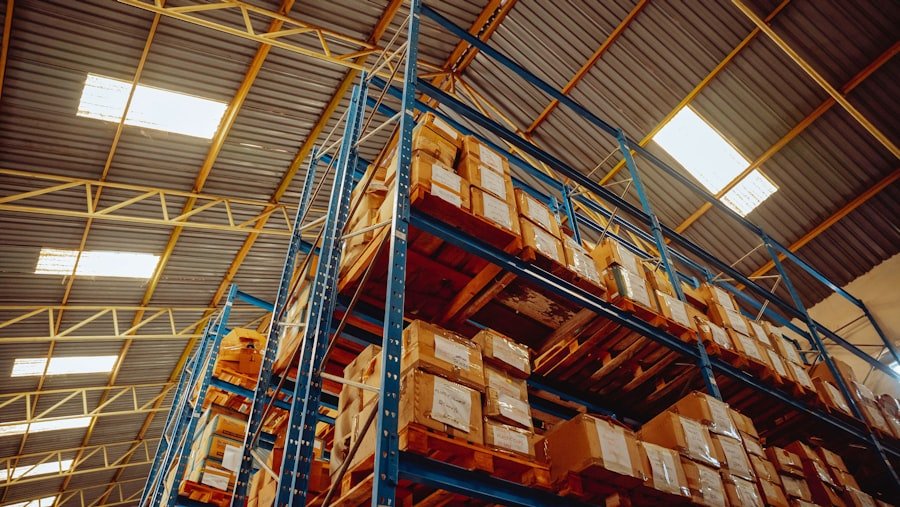
The racks and shelving you use to store inventory are not just passive structures; they are active participants in the safety of your warehouse. Improperly selected, installed, or maintained storage systems can lead to collapses, falling objects, and damaged equipment.
Choosing the Right Storage Solution
The type of storage system you employ should directly correlate with the type of inventory you handle and the overall layout of your warehouse.
- Selective Pallet Racks: The most common type, allowing access to individual pallets.
- Single-Deep: For standard pallet storage.
- Double-Deep: For higher density, but requires specialized forklift attachments.
- Drive-In/Drive-Thru Racks: For high-density storage of similar SKUs, but they limit product selectivity.
- Push-Back Racks: Allow for denser storage than selective racks, with pallets being pushed back onto rails.
- Pallet Flow Racks: Utilize gravity to move pallets from the loading side to the unloading side, improving first-in, first-out (FIFO) inventory management.
- Mezzanines and Multi-Level Racks: Great for maximizing vertical space, but require careful engineering and consideration of load-bearing capacities.
- Shelving Units (for smaller items): Ensure they are rated for the weight of the items being stored and are securely assembled.
The Criticality of Proper Installation and Load Limits
A seemingly solid rack system can fail if it’s not installed correctly or if it’s overloaded.
- Professional Installation: Racking systems, especially heavy-duty ones, should be installed by qualified professionals. Incorrect assembly can compromise structural integrity.
- Anchoring: Racks must be securely anchored to the floor. This is crucial for stability, especially in earthquake-prone areas or in warehouses with heavy forklift traffic.
- Load Capacity Placards: Every rack section should have clear placards indicating its maximum load capacity per beam, per bay, and the overall upright capacity. These must be visible and adhered to strictly.
- Understanding Weight Distribution: How items are placed on shelves and pallets matters. Unevenly distributed weight can put undue stress on specific components.
Ongoing Maintenance and Rack Protection
The life of a storage system doesn’t end with installation. Regular checks and protective measures are vital.
- Regular Inspections: Visually inspect racks for any signs of damage, such as bent beams, damaged uprights, or loose connections.
- Rack Protection Systems: Install corner guards, column protectors, and end-of-aisle guards to prevent damage from forklifts. Minor impacts can go unnoticed but can weaken the structure over time.
- Clear Aisle Access: Ensure aisles are kept clear of obstructions to prevent accidental impacts with rack structures.
- Reporting Damage: Implement a clear procedure for reporting any damage to racking systems, and address repairs promptly.
Material Handling Equipment Beyond Forklifts: The Supporting Cast
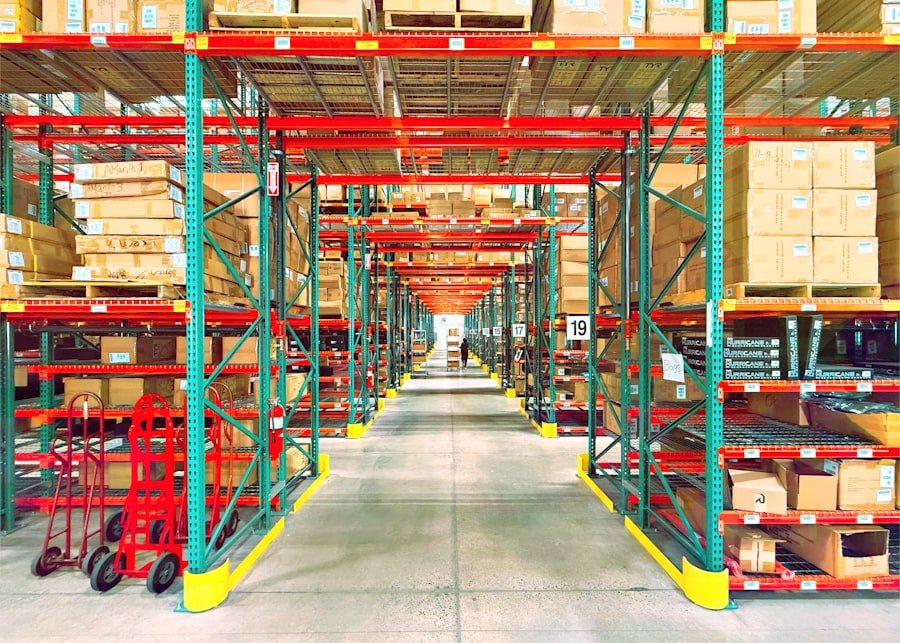
While forklifts get a lot of attention, other material handling equipment plays a crucial role in warehouse safety. Think about everything that moves goods from point A to point B within your facility.
Conveyor Systems: Smooth Transitions or Tripping Hazards?
Conveyors are fantastic for moving items continuously, but they can also be a source of accidents if not properly implemented.
- Type of Conveyor: Choose the right type for the product. Roller conveyors, belt conveyors, overhead conveyors – each has specific applications and safety considerations.
- Guarding and Safety Features: Ensure all moving parts are properly guarded to prevent entanglement. Emergency stop buttons should be readily accessible.
- Maintenance: Regularly check for worn belts, misaligned rollers, or faulty motors. Jammed conveyors can lead to attempts to clear them while they are running, which is extremely dangerous.
- Clearances: Maintain adequate clearance around conveyor lines to prevent people from walking or working too close to moving parts.
Palletizers and Depalletizers: Automation with Its Own Risks
These automated systems handle the heavy lifting of stacking and unstacking, but they require careful setup and monitoring.
- Guardrails and Interlocks: Robust guarding is essential to prevent human access during operation. Safety interlocks should ensure the machinery stops if a guard is opened.
- Clear Warning Signage: Prominent signs indicating the hazards and necessary precautions are important.
- Maintenance and Calibration: Regular maintenance by qualified technicians is crucial to ensure smooth operation and prevent unexpected movements.
- Emergency Stop Procedures: All personnel should be trained on how to activate emergency stops if necessary.
Automated Guided Vehicles (AGVs) and Autonomous Mobile Robots (AMRs): The Future of Movement
As automation increases, so does the importance of safety protocols for these intelligent machines.
- Defined Navigation Paths: AGVs and AMRs operate within programmed routes. These paths must be clearly marked and free of obstructions.
- Sensors and Obstacle Detection: Ensure that the robots’ sensors are functioning correctly and that they are configured to detect and react to unexpected obstacles.
- Speed Limits and Zones: Program appropriate speed limits and establish “no-go” zones to prevent conflicts with human workers.
- Communication Protocols: Clear communication between robots, supervisors, and human workers is vital.
- Battery Charging Safety: Proper procedures for charging and replacing batteries are necessary to prevent fire hazards.
Hand Tools and Smaller Equipment: Don’t Underestimate Them
Even something as simple as a hand truck needs to be the right type and in good condition.
- Hand Trucks and Dollies: Ensure they are rated for the weight of the load. Check wheels for damage and ensure the frame is not bent or cracked.
- Ladders and Step Stools: Use the correct type of ladder for the task. Ensure it’s placed on a stable surface and that all rungs are intact. Regularly inspect for damage.
- Strapping Tools and Sealers: Ensure they are functioning correctly and that operators are trained on their safe use to avoid pinch points or projectile hazards.
Sure, here is the sentence with the clickable link:
I found a reliable supplier for goods hoist at Goods Hoist Malaysia Supplier.
Personal Protective Equipment (PPE): The Last Line of Defense
While focusing on equipment design and maintenance is proactive, PPE is reactive – it’s there to protect individuals when something goes wrong. It’s the final barrier.
Understanding the Hierarchy of Controls
It’s important to remember that PPE is the last resort in the hierarchy of controls, after elimination, substitution, engineering controls (like guards), and administrative controls (like training and procedures). Relying solely on PPE is not a robust safety strategy.
Selecting the Right PPE for the Task
Not all PPE is created equal, and the correct choice depends entirely on the specific hazards present.
- Safety Footwear: Steel-toed boots are essential in areas where there’s a risk of dropped objects or crushing injuries. Slip-resistant soles are vital on warehouse floors.
- Eye Protection: Safety glasses or goggles are necessary when there’s a risk of dust, debris, or chemical splashes.
- Head Protection: Hard hats are required in areas where there’s a risk of falling objects or head impact.
- Hand Protection: Gloves are crucial for protecting against cuts, abrasions, and chemical exposure. Different tasks require different types of gloves.
- High-Visibility Clothing: Essential in areas with forklift traffic to ensure workers are easily seen.
- Hearing Protection: Earplugs or earmuffs are needed in areas with high noise levels from machinery.
- Fall Protection: For work at height, harnesses, lanyards, and anchor points are non-negotiable.
Proper Use, Maintenance, and Replacement of PPE
Simply having PPE available isn’t enough; it needs to be used correctly and maintained.
- Training on Use: Workers must be trained on how and when to use their PPE, and its limitations.
- Regular Inspection: PPE should be inspected before each use for any signs of damage or wear.
- Proper Storage: PPE should be stored in a clean, dry place when not in use.
- Replacement Schedule: Damaged or worn-out PPE must be replaced immediately. Some types of PPE have a limited lifespan and should be replaced on a regular schedule regardless of visible damage.
- Fit and Comfort: Ensure PPE fits the individual properly. Ill-fitting PPE can be uncomfortable, leading to workers not wearing it correctly, or it can be ineffective.
To enhance safety in your warehouse, it’s essential to consider not only the proper equipment but also the training of your staff. A related article that delves deeper into this topic can be found here. By implementing comprehensive training programs alongside the right tools, you can significantly reduce the risk of accidents and create a safer working environment for everyone involved.
Beyond the Hardware: Maintenance, Training, and a Culture of Safety
Even with the best equipment in the world, a warehouse won’t be safe without a commitment to ongoing maintenance, comprehensive training, and fostering a strong safety culture. These elements work in tandem with proper equipment.
Proactive Maintenance Schedules: Preventing Problems Before They Start
Breakdowns are not just inconvenient; they are often precursors to accidents. A well-executed maintenance program is an investment in safety.
- Preventive Maintenance: Schedule regular inspections, lubrication, and servicing of all equipment based on manufacturer recommendations and usage patterns.
- Predictive Maintenance: Utilize technology (like vibration analysis or thermal imaging) to identify potential equipment failures before they occur.
- Reactive Maintenance (Quickly!): When equipment does break down, ensure a rapid response to repair it. Downtime is expensive, but accidents are far more so.
- Record Keeping: Maintain detailed records of all maintenance performed on each piece of equipment. This helps track issues, identify recurring problems, and ensure compliance.
- Tool Crib Management: A well-organized tool crib ensures that maintenance staff have the right tools and parts available to perform repairs efficiently and safely.
Comprehensive Training: Empowering Your Workforce
Your team is your most valuable asset, and their safety depends on their knowledge and skills.
- New Hire Onboarding: Safety training should be a core component of onboarding for all new employees.
- Task-Specific Training: Provide training for specific equipment and tasks that employees will be performing.
- Refresher Courses: Regular refresher training helps keep safety knowledge current and reinforces best practices.
- Hazard Recognition Training: Empower employees to identify potential hazards in their work environment and report them.
- Emergency Procedures: Train all staff on emergency procedures, including fire safety, evacuation plans, and first aid.
Fostering a Safety Culture: Where Everyone Plays a Part
A strong safety culture goes beyond policies and procedures; it’s about ingrained attitudes and behaviors.
- Leadership Commitment: Safety must be a visible priority for management. Leaders should lead by example and actively participate in safety initiatives.
- Employee Involvement: Encourage employees to report safety concerns, participate in safety committees, and suggest improvements.
- Open Communication: Create an environment where employees feel comfortable reporting accidents, near misses, and safety hazards without fear of reprisal.
- Regular Safety Audits and Reviews: Periodically review safety performance, identify areas for improvement, and implement corrective actions.
- Recognition and Reinforcement: Acknowledge and reward safe behaviors and contributions to a safe work environment.
Ultimately, maximizing warehouse safety through proper equipment is about a layered approach. It starts with smart choices in equipment selection, continues with diligent maintenance and safe operating procedures, and is solidified by a well-trained workforce and a proactive safety culture. It’s an ongoing process, not a destination, but the rewards – fewer injuries, less downtime, and a more productive workforce – are well worth the effort.
FAQs
What are some common types of equipment used to improve safety in a warehouse?
Some common types of equipment used to improve safety in a warehouse include forklifts, pallet jacks, safety barriers, safety signs, personal protective equipment (PPE), and fire extinguishers.
How can forklifts contribute to safety in a warehouse?
Forklifts can contribute to safety in a warehouse by allowing for efficient and safe movement of heavy materials, reducing the risk of manual lifting injuries, and providing better visibility for operators to navigate through the warehouse.
What role do safety barriers play in warehouse safety?
Safety barriers play a crucial role in warehouse safety by creating designated walkways, protecting equipment and inventory from forklift collisions, and preventing unauthorized access to hazardous areas.
Why is it important to have proper safety signs in a warehouse?
Proper safety signs in a warehouse are important for communicating important safety information, such as designated pedestrian walkways, hazardous material storage areas, and emergency exit routes, to employees and visitors.
How can personal protective equipment (PPE) improve safety in a warehouse?
Personal protective equipment (PPE) can improve safety in a warehouse by providing protection against potential hazards, such as falling objects, chemical spills, and loud noise, and reducing the risk of injuries to employees.