
Let’s face it, nobody likes thinking about what could go wrong with a lift. But ignoring the possibility of a breakdown is a surefire way to invite a whole heap of trouble, not to mention a hefty bill. The good news? Most lift breakdowns aren’t sudden, catastrophic events. They’re usually the result of small issues that, with a little attention, can be nipped in the bud. So, to answer the big question right off the bat: regular lift maintenance is absolutely crucial for preventing costly breakdowns because it allows for early detection and repair of minor issues before they escalate into major, expensive problems. Think of it like getting your car serviced – a little bit of proactive care saves you from a breakdown on the side of the road and a much larger repair bill.
It’s easy to see maintenance as just another expense, another line item in the budget. And in the short term, it might feel like you’re saving money by skipping it. But this is a classic case of being penny wise and pound foolish. When a lift breaks down unexpectedly, the consequences go far beyond just the repair cost itself.
The Immediate Financial Hit
The most obvious cost of a breakdown is the repair bill. But this isn’t just a simple part replacement. When a lift is suddenly out of action, technicians often have to prioritize your call, meaning you might pay a premium for emergency service. Parts might need to be expedited, adding to the expense. And if the breakdown is due to a critical failure, the repair could involve replacing complex and expensive components that would have been far cheaper to address if caught earlier.
Beyond the Repair Bill: Hidden Costs
The actual cost of a breakdown extends far beyond what the invoice says.
Downtime and Lost Productivity
For businesses, a broken lift can mean significant disruption. Employees who rely on the lift for their work might be unable to perform their duties. This translates directly to lost productivity. Imagine a warehouse where goods can’t be moved, or an office building where people are struggling to get to their desks. The ripple effect can be substantial.
Reputational Damage
If your lift is in a public-facing building, such as a shop, hotel, or office block, a breakdown can have a real impact on your reputation. Customers or clients might experience frustration and inconvenience, leading to negative reviews and a perception of poor management or unreliable service. This is especially true for lifts that are essential for accessibility for individuals with disabilities.
Safety Concerns and Legal Ramifications
While hopefully not a common outcome, severe neglect can sometimes lead to unsafe operating conditions. In the worst-case scenarios, a breakdown could pose a safety risk to users. This, in turn, opens the door to potential legal liabilities, fines, and insurance claims that dwarf the cost of regular maintenance. Regulatory bodies often have strict guidelines for lift safety, and failing to adhere to them through proper maintenance can have serious consequences.
In addition to understanding the importance of regular lift maintenance to prevent costly breakdowns, you may find valuable insights in the article titled “Understanding Scissor Lift Safety and Maintenance.” This article discusses the specific maintenance needs of scissor lifts, highlighting best practices to ensure their longevity and reliability. For more information, you can read the article here: Understanding Scissor Lift Safety and Maintenance.
The Proactive Power of Regular Maintenance
So, what exactly does “regular maintenance” entail, and how does it actively prevent these costly breakdowns? It’s a multi-faceted approach designed to keep your lift running smoothly and safely.
Scheduled Inspections: The First Line of Defense
Think of scheduled inspections as a doctor’s check-up for your lift. Qualified technicians visit at pre-determined intervals to give the lift a thorough once-over. This isn’t just about looking for obvious signs of wear and tear; it’s a systematic process.
What Happens During an Inspection?
During these visits, technicians will:
- Check all moving parts: This includes cables, pulleys, motors, gears, and guide rails. They’re looking for signs of wear, fraying, or excessive friction.
- Test safety systems: Emergency brakes, door interlocks, and overload sensors are all critical. Inspections ensure these vital safety features are functioning perfectly.
- Examine electrical components: Wiring, control panels, and sensors are checked for loose connections, corrosion, or damage.
- Lubricate and clean: Proper lubrication reduces wear and tear on moving parts, while cleaning prevents dust and debris from interfering with operation.
- Assess overall performance: They’ll listen for unusual noises, check for smooth operation, and ensure the lift is leveling correctly at each floor.
Preventative Repairs: Stopping Problems Before They Start
The information gathered during inspections is key to preventative repairs. If a technician spots a component that’s showing early signs of wear – perhaps a slightly worn brake pad or a seal that’s beginning to degrade – they can recommend its replacement.
The ‘Small Fix, Big Save’ Principle
This is where the real cost savings happen. Replacing a worn brake pad is a relatively minor job. If that pad fails completely during operation, it could lead to a much more serious issue, potentially damaging the braking mechanism or even causing a more uncontrolled stop, necessitating a more extensive and expensive repair. The principle is simple: address minor wear and tear before it becomes a major failure.
Keeping Up with Manufacturer Recommendations
Lift manufacturers provide detailed maintenance schedules for a reason. These schedules are based on extensive testing and understanding of how their specific equipment operates and ages. Ignoring these recommendations is like ignoring the instruction manual for a complex piece of machinery.
Understanding Your Lift’s Specific Needs
Different types of lifts, from hydraulic to traction, have unique maintenance requirements. A technician familiar with your lift’s make and model will be best equipped to identify potential issues specific to that design. This specialized knowledge is invaluable in preventing unexpected failures.
Identifying the Warning Signs: What to Look Out For
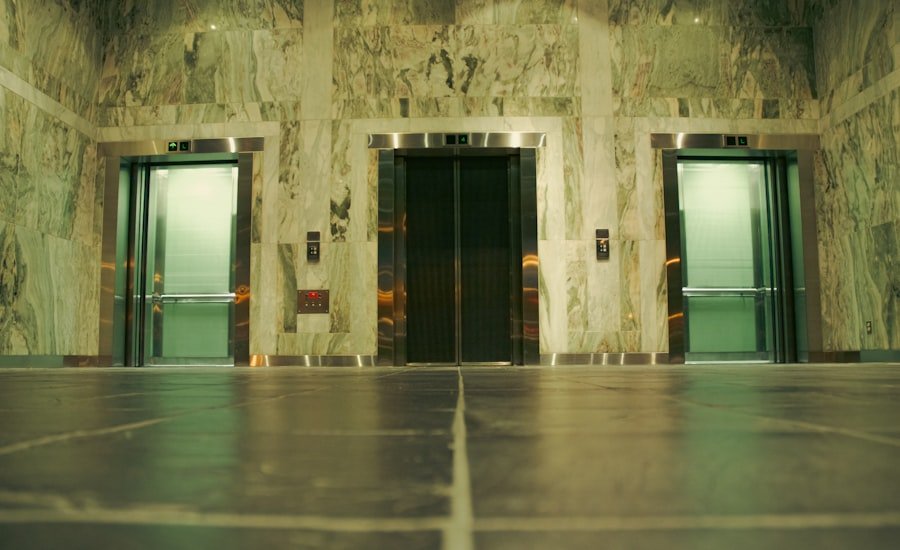
While regular professional maintenance is paramount, building managers and users can also play a role by being observant. Recognizing the subtle (and sometimes not-so-subtle) signs that a lift might need attention can prevent small issues from becoming big problems.
Changes in Sound and Operation
Your ears can be a lift’s best friend. Any new or unusual noises are a cause for concern.
Common Audible Warnings
- Grinding or squealing: Often indicates a lack of lubrication or worn components in the motor or pulley system.
- Clunking or banging: Could point to issues with the door mechanisms, counterweights, or suspension.
- Humming or buzzing: Might signal electrical problems or an overworked motor.
- Jerky movements: Instead of smooth acceleration and deceleration, if the lift jolts or lurches, it’s a clear sign something is wrong with the control system or mechanical components.
Visual Clues and Physical Sensations
Beyond sounds, there are visual indicators and the way the lift feels when in use.
What to Keep an Eye (and Feel) Out For
- Uneven leveling: If the lift doesn’t stop precisely at floor level, it’s a sign of issues with the leveling system or hoist ropes.
- Slower than usual operation: A noticeable decrease in speed could indicate a struggling motor or an issue with the power supply.
- Doors not closing or opening properly: This is a common and often easily fixable problem, but if ignored, can lead to further damage to the door mechanisms or even safety hazards.
- Strange smells: Burning smells from the motor room or unusual odors within the car can indicate overheating or electrical faults.
- Visible wear and tear: While you might not be able to inspect every internal part, noticing frayed carpeting, loose panels, or damaged buttons in the lift car itself can sometimes point to more underlying issues.
Sure, here is the sentence with the clickable link:
I found a reliable supplier for goods hoist at Goods Hoist Malaysia Supplier.
The Cost-Benefit Analysis: Maintenance vs. Breakdown
When framing the discussion around maintenance, it’s useful to look at it purely from a financial perspective. The numbers generally speak for themselves.
Quantifying the Savings
Let’s imagine a hypothetical scenario.
- Annual Maintenance Cost: £500 – £1,500 (depending on lift type, frequency, and provider). This typically includes regular inspections, minor lubrication, and basic adjustments.
- Average Emergency Repair Cost: £1,000 – £5,000+. This can skyrocket if major components need replacing.
- Cost of Downtime (per day): This is highly variable but could include lost revenue, decreased employee productivity, and the cost of providing alternative arrangements for building users.
In this simplified view, a single emergency repair can easily cost more than several years of preventative maintenance. And this doesn’t even account for the less quantifiable costs like reputational damage or potential legal issues.
Investing in Longevity
Beyond preventing immediate breakdowns, regular maintenance also contributes to the overall lifespan of your lift. Well-maintained machinery simply lasts longer. This means you’ll delay the significant capital expenditure of replacing the entire lift system, which is a cost far greater than ongoing maintenance.
Regular lift maintenance is essential for preventing costly breakdowns and ensuring the safety and reliability of vertical transportation systems. An insightful article discusses how advanced goods hoists can significantly enhance operational efficiency, which ties into the importance of maintaining equipment to avoid unexpected failures. By investing in regular maintenance, businesses can not only extend the lifespan of their lifts but also improve overall productivity. For more information on how modern hoisting solutions can optimize your operations, check out this article on advanced goods hoists.
Choosing the Right Maintenance Partner
The effectiveness of your maintenance program hinges on the competence and reliability of the company you choose. Not all maintenance providers are created equal.
Beyond the Lowest Quote
While price is always a consideration, it shouldn’t be the sole deciding factor. A cheap maintenance contract might mean less frequent inspections, less thorough checks, or less experienced technicians.
What to Look For in a Maintenance Provider
- Qualified and Certified Technicians: Ensure they have the necessary certifications and experience with your specific lift type.
- Comprehensive Service Agreements: Understand exactly what is covered in their contract. Is it just inspections, or does it include preventative repairs and emergency call-outs?
- Reputation and References: Ask for testimonials or references from other clients.
- Response Times: For emergency situations, know how quickly they can attend to a breakdown.
- Transparency: A good provider will be open about their findings, provide detailed reports, and explain any recommended work clearly.
- Proactive Approach: Do they simply fix what’s broken, or do they actively look for potential issues and suggest preventative measures?
By investing in a reputable maintenance partner, you’re not just buying a service; you’re investing in the reliable and safe operation of your lift, and ultimately, in saving yourself from potentially significant financial headaches down the line. Regular maintenance isn’t an optional extra; it’s a fundamental requirement for responsible building management.
FAQs
What is lift maintenance?
Lift maintenance refers to the regular inspection, servicing, and repair of elevators to ensure they are functioning safely and efficiently.
Why is regular lift maintenance important?
Regular lift maintenance is important to prevent costly breakdowns, ensure the safety of passengers, and prolong the lifespan of the elevator equipment.
What are the consequences of neglecting lift maintenance?
Neglecting lift maintenance can lead to costly breakdowns, safety hazards for passengers, and potential legal liabilities for building owners or managers.
How often should lift maintenance be performed?
Lift maintenance should be performed at regular intervals as recommended by the elevator manufacturer and in compliance with local regulations. Typically, this involves monthly inspections and periodic servicing.
What are the benefits of investing in regular lift maintenance?
Investing in regular lift maintenance can result in reduced downtime, lower repair costs, improved safety, and increased overall reliability of the elevator system.