
Thinking about getting a home lift in Malaysia? It’s a fantastic way to add convenience and accessibility to your property, especially if you’re looking at a multi-story home or anticipating future needs. But before you get too excited about gliding between floors, there are a few practical things to iron out. This guide will walk you through the key considerations to make sure your home lift installation goes smoothly and delivers exactly what you’re hoping for.
Before anything else, let’s get real about why you need a lift and what that means for your home.
Why a Home Lift?
It might seem obvious, but pinpointing your primary motivation helps steer your choices. Are you installing it for:
- Elderly Family Members: This is a common driver. Think about ease of use, safety features, and whether a wheelchair or mobility scooter will need to fit.
- Future-Proofing: Planning for potential mobility issues down the line? A lift offers peace of mind and maintains your ability to stay in your beloved home longer.
- Convenience & Luxury: Simply wanting to avoid stairs for carrying groceries, laundry, or just for a touch of modern living.
- Property Value: A well-installed home lift can be a significant selling point.
Types of Home Lifts Available in Malaysia
The market offers a few distinct options, each with its own pros and cons:
Hydraulic Lifts
- How they work: These use a hydraulic system with a piston to push the lift car up.
- Pros: Generally quieter than other types, can be more cost-effective for shorter travel distances, and don’t require a separate machine room.
- Cons: Can be slower, require a pit, and the hydraulic fluid needs periodic checks and replacements. They also typically have a slightly larger footprint.
- Best for: Homes with moderate travel heights and where a quieter operation is a priority.
Traction Lifts (often Gearless)
- How they work: These use a motor, ropes, and a counterweight to move the lift car. Modern gearless traction lifts are very energy-efficient.
- Pros: Smoother ride, faster speeds, more energy-efficient (especially gearless models), and generally have a more compact design.
- Cons: Can be more expensive upfront, and require a small overhead space for the motor.
- Best for: Those seeking a smoother, faster experience, and for homes where space optimization is important.
Vacuum Lifts (Pneumatic)
- How they work: These are a more recent innovation. They use air pressure to move a sealed cabin up and down.
- Pros: No pit required, minimal construction needed, quick installation, and a sleek, modern look. They also use less energy when travelling down.
- Cons: Typically have a lower weight capacity, are often designed for one or two people, and can be noisier during operation due to the air pressure system.
- Best for: Apartments or homes where minimal structural changes are desired and for transporting one or two people at a time.
Stairlifts (Not technically a “lift” but worth mentioning)
- How they work: A seat that travels along a rail installed on your staircase.
- Pros: The most affordable option, easiest installation, and requires no structural modifications.
- Cons: Only suitable for straight staircases, takes up stair space when not in use, and not ideal for wheelchairs.
- Best for: Individuals who can still transfer to a seat and have straightforward staircases.
For Malaysian homeowners considering home lift installation, it’s essential to understand the various options available and their implications for safety and convenience. A related article that provides valuable insights into the benefits and features of goods hoists, which can be an alternative for transporting heavy items within a home, can be found at this link. This resource can help homeowners make informed decisions about their lifting solutions and enhance their living spaces effectively.
Navigating Malaysian Regulations and Building Codes
This is where things can get a bit bureaucratic, but it’s crucial for safety and legality.
Strata Management and Local Council Approval
If you live in a landed property with an individual title, your interaction will likely be with the local council (Majlis Perbandaran or Majlis Bandaraya) for building plan approvals. However, if you’re in a stratified property (like a condominium or apartment complex), this becomes much more complex.
- Strata Title Properties: You’ll need to get approval from your Joint Management Body (JMB) or Management Corporation (MC). They will have their own rules and regulations regarding any structural modifications or installations that could affect the building’s common property or aesthetics. Expect a formal application process, potentially involving presentations and detailed plans.
- Landed Properties: You’ll need to submit building plan applications to your local council. This will involve detailing the proposed lift shaft, any structural reinforcements, and electrical connections. They will review your plans to ensure compliance with building codes, fire safety regulations, and structural integrity.
Importance of Certified Installers and Compliance
- JKR Standards: In Malaysia, lifts are subject to standards set by the Public Works Department (JKR). While directly dealing with JKR might not be your primary task, your chosen lift supplier and installer must be aware of and comply with these standards. This includes safety features, load capacities, and operational requirements.
- Electrical Safety Standards: All electrical work must comply with relevant Malaysian electrical safety standards (e.g., by the Suruhanjaya Tenaga). Ensure your installer is a certified electrical contractor.
- Fire Safety: The design and installation of the lift shaft, doors, and ventilation must consider fire safety regulations. This is particularly important in multi-storey buildings.
Space and Structural Requirements

This is where the reality of your home comes into play.
Where Will the Lift Go?
This is arguably the most significant decision. Consider:
- Footprint: How much floor space will the lift and its shaft occupy on each level? This is critical in smaller homes.
- Shaft Location:
- Existing Shaft: Can you repurpose an existing void, like a large cupboard or a section of a wider staircase?
- New Shaft: This will involve more significant construction. Consider:
- Central Location: Often the most practical for access from multiple rooms.
- External Integration: Sometimes a lift can be built on the exterior of a home, especially if interior space is very limited. This can have aesthetic implications.
- Headroom: How much clear vertical space is there above the top floor landing where the lift mechanism will sit? This is particularly important for traction lifts.
- Pit Depth: Hydraulic lifts often require a small pit beneath the lowest level to house the cylinder. The depth varies depending on the lift model and travel height.
Structural Integrity
- Load Bearing: The floor slabs and walls where the lift shaft will be located need to be strong enough to support the weight of the lift, its passengers, and the structure itself.
- Reinforcements: In many cases, structural reinforcements will be necessary. This might involve adding steel beams, concrete supports, or strengthening existing walls. A qualified structural engineer will need to assess this.
Doorways and Landing Areas
- Entrance/Exit Width: Ensure the lift doors and the openings on each floor are wide enough for your intended use. If wheelchair access is a priority, this needs to be a minimum of 800mm clear opening width.
- Clearance: There needs to be sufficient space in front of the lift doors on each landing for safe entry and exit, especially for wheelchairs.
Sure, here is the sentence with the clickable link:
I found a reliable supplier for goods hoist at Goods Hoist Malaysia Supplier.
Budgeting for Your Home Lift Installation
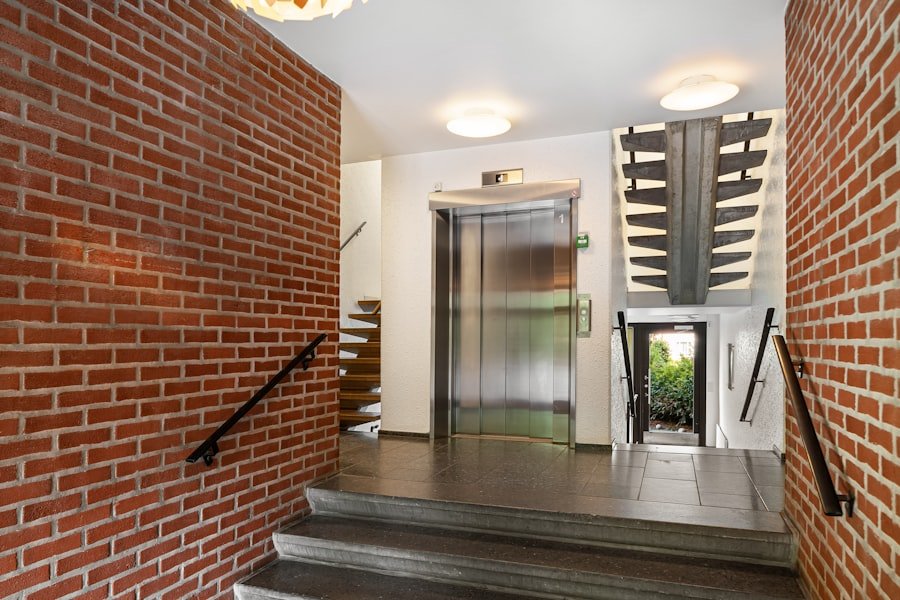
Let’s talk about the money. Home lifts are an investment, and the costs go beyond just the unit itself.
The Cost of the Lift Unit
- Type of Lift: As mentioned earlier, vacuum lifts can be pricier than basic hydraulic models. Traction lifts, especially gearless ones, also represent a significant investment.
- Capacity and Speed: Higher weight capacities and faster travel speeds generally increase the cost.
- Features and Finishes: Luxury finishes, custom cabin designs, and advanced safety features will add to the price.
Installation and Construction Costs
This is often the most underestimated part of the budget.
- Structural Works: Creating a new shaft, reinforcing existing structures, and excavating for a pit can be substantial expenses.
- Civil Works: This includes any concrete pouring, brickwork, and finishing required for the shaft and landings.
- Electrical Works: Connecting the lift to your home’s power supply and ensuring all wiring meets safety standards.
- Architectural and Engineering Fees: You’ll likely need to pay for professional drawings and structural assessments.
- Permissions and Approvals: Council application fees and any fees associated with JMB/MC approvals.
Ongoing Maintenance and Running Costs
A lift isn’t a “set it and forget it” item.
- Maintenance Contracts: Most reputable suppliers will offer maintenance packages. These are crucial for ensuring the lift’s safety and longevity. Factor in an annual fee.
- Energy Consumption: While modern lifts are quite energy-efficient, they do consume electricity. The cost will depend on usage patterns and the lift’s energy rating.
- Repairs: While unlikely with regular maintenance, unexpected repairs can occur.
When considering home lift installation, Malaysian homeowners may find it beneficial to explore additional resources that provide insights into the process and its advantages. A related article can be found at this link, which discusses various aspects of home improvement and modernization. Understanding these factors can help homeowners make informed decisions about integrating a lift into their living spaces, enhancing both accessibility and property value.
Choosing the Right Supplier and Installer
This is where careful research pays off.
What to Look For in a Supplier
- Experience in Malaysia: Do they have a proven track record of installing home lifts in Malaysia? They should understand local building codes and regulations.
- Product Range and Quality: Do they offer a variety of lift types and brands? Are the products from reputable manufacturers?
- After-Sales Service and Support: This is critical. What is their response time for breakdowns? Do they offer 24/7 support? What is the warranty period for the lift and installation?
- References and Reviews: Ask for references from previous clients and check online reviews.
- Transparency: Are they upfront about all costs, including potential hidden fees? Do they provide detailed quotations?
The Importance of a Site Survey
- Accurate Assessment: A good supplier will insist on a thorough site survey before providing a firm quotation. This allows them to accurately assess your home’s structure, available space, and any potential challenges.
- Tailored Solutions: During the survey, they can discuss your specific needs and recommend the most suitable lift type and configuration for your home.
The Installation Process
- Timeline: Get a realistic estimate of how long the installation will take. This can range from a few days for simpler installations to several weeks for more complex projects involving significant construction.
- Disruption: Understand how the installation process might disrupt your daily life. Will you have access to certain parts of your home? Will there be noise and dust?
- Post-Installation Checks: Ensure the supplier conducts thorough testing and commissioning of the lift before handover. They should also provide you with clear operating instructions and maintenance guidelines.
Safety Features and Customisation Options
Beyond basic functionality, consider what will make your lift safe and suited to your life.
Essential Safety Features
- Emergency Stop Button: Standard on all lifts, but ensure it’s easily accessible.
- Battery Backup: Crucial for power outages. This allows the lift to descend to the lowest level and open its doors.
- Door Safety Sensors: Prevents doors from closing on people or objects.
- Intercom System: For communication in case of emergencies.
- Non-Slip Flooring: Standard for safety, but can be enhanced.
- Weight Limit Indicator: Alerts users if the lift is overloaded.
- Manual Emergency Lowering: A mechanical system to lower the lift in dire situations, operated by trained personnel.
Customisation for Your Home
- Cabin Finishes: From classic wood veneers and brushed stainless steel to more modern laminated panels, you can tailor the interior to match your home’s decor.
- Lighting: Integrated LED lighting is common, but you might opt for warmer tones or specific accent lighting.
- Mirror Options: Full-length mirrors can make the cabin feel more spacious.
- Handrails: Essential for stability, especially for older users. They come in various materials and styles.
- Door Types: Different door styles are available, including manual swing doors, automatic sliding doors, and even telescopic doors, depending on the lift type and space constraints.
- Control Panel: While functional, the appearance of the control panel can also be considered. Some offer sleeker designs.
Ultimately, installing a home lift in Malaysia is a significant undertaking, but by carefully considering these factors, you can ensure a smooth process and a lift that truly enhances your home and your quality of life. Don’t hesitate to ask lots of questions and do your homework – it will be well worth the effort.
FAQs
1. What are the benefits of installing a home lift in Malaysia?
Installing a home lift in Malaysia can provide convenience and accessibility for homeowners, especially for those with mobility issues or elderly family members. It can also add value to the property and make it more attractive to potential buyers in the future.
2. What are the regulations and requirements for home lift installation in Malaysia?
In Malaysia, home lift installations are subject to regulations and requirements set by local authorities and building codes. It is important for homeowners to ensure that the installation complies with these regulations to ensure safety and legal compliance.
3. What are the different types of home lifts available for installation in Malaysia?
There are various types of home lifts available for installation in Malaysia, including hydraulic lifts, traction lifts, and pneumatic vacuum lifts. Each type has its own advantages and considerations, so homeowners should carefully consider their specific needs and the space available for installation.
4. What are the costs associated with home lift installation in Malaysia?
The costs of home lift installation in Malaysia can vary depending on factors such as the type of lift, the size of the property, and any additional customization or features. Homeowners should obtain quotes from reputable lift installation companies to get an accurate estimate of the costs involved.
5. What should Malaysian homeowners consider before deciding to install a home lift?
Before deciding to install a home lift in Malaysia, homeowners should consider factors such as the available space for installation, the specific needs of the household members, the budget for the installation and maintenance, and the long-term benefits of having a home lift. Consulting with a professional lift installation company can also provide valuable insights and guidance.