
When you’re looking to move things – and sometimes people – between different levels in a building, you’ll often find yourself weighing up two main options: an elevator or a goods hoist. The quickest answer to which one is right for you boils down to what you’re moving, how often, and who’s operating it. Elevators are generally for people and their accompanying items, built for safety and comfort. Goods hoists, on the other hand, are strictly for materials, often bulkier and heavier, with less emphasis on human comfort and more on robust, dedicated lifting.
Before diving into the specifics of either system, the first step is always to clearly define your operational needs. This isn’t just about weight; it’s about dimensions, frequency, and the environment.
Weight and Volume
This is often the most obvious consideration. How heavy are the items you need to move? Are we talking about a few boxes, or pallets of building materials? What are their dimensions? Can they fit through standard door openings, or do you need a wider, taller entry?
- Small, Frequent Items: If you’re moving office supplies, food deliveries, or medical equipment that fits easily in a hand, an elevator might be overkill, but a small service lift (a type of elevator) could be perfect.
- Large, Heavy Loads: Pallets of bricks, industrial machinery components, or large furniture items immediately lean towards a goods hoist. They are designed for sheer lifting power.
Frequency of Use
How often will this lift be in operation? Once a day? Once an hour? Constantly throughout a shift? High frequency demands greater durability and potentially faster speeds.
- Infrequent Lifts: If it’s only occasional use, a more basic, cost-effective hoist might suffice, even if it’s a bit slower.
- Constant Operation: For busy warehouses or manufacturing plants, you’ll need something built to withstand continuous, heavy-duty cycles. Downtime in these scenarios can be incredibly costly.
Human Interaction
Will people be riding with the goods, or will the goods be loaded and unloaded by machinery or staff from outside the lifting platform? This is a fundamental differentiator.
- Occupied Lifts: If personnel need to accompany the items, whether for loading, unloading, or simply moving with them, you must have an elevator. Safety regulations for human transport are stringent.
- Unoccupied Lifts: If the goods are simply loaded, sent up or down, and unloaded without anyone accompanying them, a goods hoist is a viable and often more economical option.
When considering the best vertical transportation solution for your business, it’s essential to explore various options and their specific applications. A related article that delves into the differences and advantages of different lifting systems can be found at USP Corporations. This resource provides valuable insights into the features of elevators and goods hoists, helping you make an informed decision tailored to your operational needs.
The Elevator: Comfort, Safety, and People-Focused
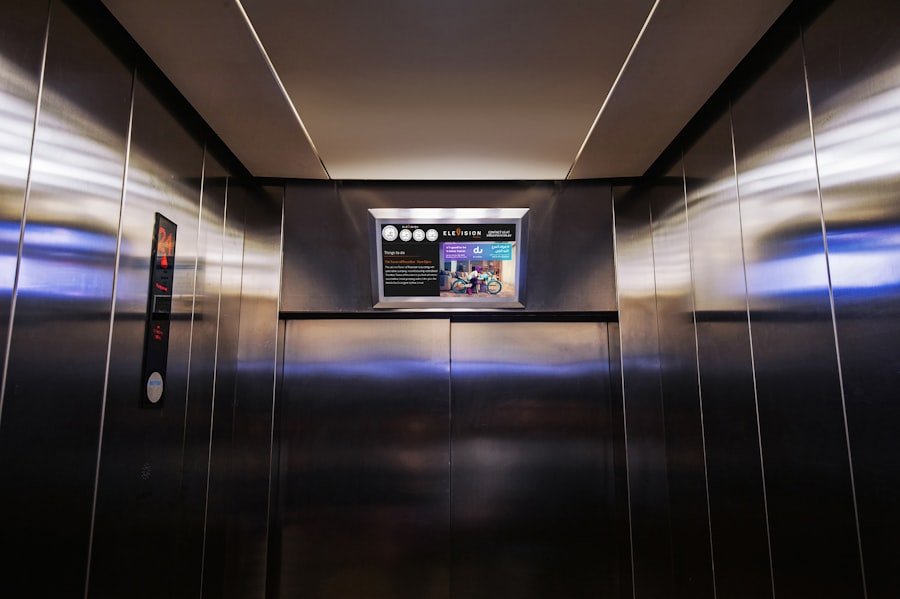
An elevator, in the context of moving goods, usually refers to a passenger elevator that can also carry cargo, or a dedicated freight elevator. The key here is that they are built with human safety and comfort as a paramount concern.
Key Characteristics of Elevators
Elevators are complex systems designed for reliability and safety. They adhere to strict building codes and standards.
- Smooth Ride: Engineered for a comfortable, stable journey, minimising bumps and jolts, crucial for passengers and delicate goods.
- Enclosed Car: Features a fully enclosed car with doors (often automatic) that close securely, preventing items from falling out and protecting passengers.
- Advanced Safety Features: Multiple redundancies for braking, door interlocks, overload sensors, and emergency communication systems are standard.
- Intuitive Controls: Simple, user-friendly buttons for floor selection, door operation, and emergency calls.
- Aesthetics: Often designed to blend with the building’s interior, particularly in commercial or residential settings.
When an Elevator is the Right Choice
You’ll lean towards an elevator when your primary concern involves moving people, or when the goods themselves require a controlled, safe environment for transport alongside people.
- Mixed-Use Buildings: In residential blocks, office buildings, or hotels, elevators are essential for both people and their belongings (luggage, shopping, office supplies).
- Retail Environments: Department stores or shopping centres use elevators to move stock discreetly between floors, often with staff accompanying the goods.
- Hospitals and Healthcare Facilities: Lifts for patients, medical equipment, and supplies require the smooth, safe, and controlled environment an elevator provides.
- Delicate or Fragile Goods: If the items are susceptible to damage from jarring movements, the smoother operation of an elevator is beneficial, especially if staff are handling them during transit.
- Accessibility Requirements: For buildings needing to meet accessibility standards (e.g., for people with disabilities), an elevator is a non-negotiable requirement.
Types of Elevators for Goods
While all elevators share core safety principles, there are variations suited to different cargo needs.
- Passenger Elevators: Most common, designed primarily for people but can carry accompanying luggage or small goods. Weight limits are typically lower than freight.
- Service Elevators: Often found in commercial buildings, these are generally larger and more robust than passenger elevators, used by staff for moving supplies, waste, or maintenance equipment. They often have durable interior finishes to withstand bumps.
- Freight Elevators: Specifically designed for heavy and bulky loads, these elevators have very high weight capacities, larger car dimensions, and often reinforced interiors. They may have manual or powered doors, and some allow for forklift access onto the car. While they can carry people, their primary function is goods, and comfort is secondary to utility.
- Dumbwaiters: A smaller, specialized type of service elevator for moving small goods (food, laundry, documents) between floors, typically without people.
The Goods Hoist: Power, Durability, and Material-Focused
A goods hoist, often simply called a ‘hoist’ or ‘material lift’, is designed exclusively for moving materials. They are built for rugged performance, often prioritising load capacity and durability over speed or aesthetics. People are generally not permitted to ride on a goods hoist.
Key Characteristics of Goods Hoists
Goods hoists are utilitarian machines, built to do a specific job without fuss.
- Open or Semi-Enclosed Platforms: Unlike elevators, hoists often feature open cages or platforms with guardrails, though some may have enclosed cars.
- Robust Construction: Built to withstand heavy impact and continuous use with heavy loads.
- Simplified Controls: Typically basic up/down buttons, often located externally at each landing, preventing unauthorised riding.
- Higher Load Capacities: Often capable of lifting significantly heavier loads than standard elevators.
- Variable Speeds: Speeds can vary greatly, from very slow manual systems to moderately fast powered systems, but rarely match the speed of modern passenger elevators.
- Industrial Aesthetic: Appearance is secondary; function and durability are key.
When a Goods Hoist is the Right Choice
A goods hoist becomes the preferred option when you are exclusively moving materials, especially if those materials are heavy, bulky, or don’t require human accompaniment during transit.
- Warehouses and Storage Facilities: Moving pallets, crates, or large inventory items between different levels.
- Construction Sites: Lifting building materials (bricks, timber, tools) to different floors during construction. These are often temporary installations.
- Manufacturing Plants: Transporting raw materials, components, or finished products within a production facility.
- Garages and Workshops: Moving heavy engine parts, machinery, or vehicles between floors.
- Back-of-House in Retail/Hospitality: While main areas use elevators, goods hoists are often used in staff-only areas for bulk deliveries and waste removal.
Types of Goods Hoists
The variety of goods hoists often reflects the specific industry and load types they are designed for.
- Pallet Lifts: Designed to move standard pallets, often with sufficient platform size for a pallet truck.
- Mezzanine Lifts: Specifically designed to lift goods to and from mezzanine floors in warehouses or factories.
- Scissor Lifts (Vertical Reciprocating Conveyors – VRCs): While some scissor lifts are mobile, fixed VRCs are a type of goods hoist that uses a scissor mechanism for vertical movement, often used for heavy, stable loads.
- Chain Hoists / Wire Rope Hoists: These are components of a larger lifting system, often integrated into cranes or gantry systems, but can also form the basis of simpler goods lifts.
- Boat Lifts: A specialised goods hoist for lifting boats in marinas or boat storage facilities.
- Car Lifts: Used in multi-story parking garages or car showrooms to move vehicles between levels.
Sure, here is the sentence with the clickable link:
I found a reliable supplier for goods hoist at Goods Hoist Malaysia Supplier.
Regulatory and Safety Considerations
This is where the distinction between elevators and goods hoists becomes critically important. Ignoring these regulations can lead to severe penalties, injuries, or even fatalities.
Elevator Regulations (People & Goods)
Elevators, particularly those carrying passengers, are subject to stringent regulations from bodies like ASME (American Society of Mechanical Engineers) A17.1/CSA B44 in North America, EN 81 series in Europe, and various national building codes.
- Third-Party Certification: Design, installation, and maintenance are often subject to approval and regular inspection by certified third-party inspectors.
- Safety Circuits and Interlocks: Multiple redundant systems ensure doors are closed, the car is level, and safety brakes engage in emergencies.
- Emergency Communications: Two-way communication devices (phone, intercom) are mandatory inside the car.
- Accessibility Standards: Compliance with ADA (Americans with Disabilities Act) or similar national standards is required for passenger and accessible freight elevators.
- Maintenance Schedules: Regular, documented maintenance by qualified technicians is legally required.
Goods Hoist Regulations (Materials Only)
While goods hoists are not subject to the same strict “people-carrying” elevator codes, they still fall under broader machinery and workplace safety regulations (e.g., OSHA in the US, HSE in the UK, local equivalent bodies).
- Machine Guarding: Moving parts must be adequately guarded to prevent injury.
- Overload Protection: Systems must prevent lifting loads exceeding their rated capacity.
- Warning Signage: Clear signage indicating “No Riders” or “Goods Only” is critical.
- Emergency Stop: Easily accessible emergency stop buttons are required.
- Operator Training: While people don’t ride, those operating the hoist must be trained in its safe use.
- Structural Integrity: The hoist and its supporting structure must be engineered to safely handle the maximum load.
The key takeaway here is simple: if there’s any chance a person might ride on the lift, even accidentally, it must meet elevator standards. Cutting corners on this point is not just a risk; it’s a liability waiting to happen.
When considering the best option for transporting goods within your facility, it’s essential to evaluate the specific needs of your business. An insightful article that delves deeper into the advantages of passenger lifts can be found at this link, providing valuable information that may help you make a more informed decision between an elevator and a goods hoist. Understanding the differences in functionality and application will ultimately guide you toward the right choice for your operational requirements.
Cost Implications and Long-Term Value
The upfront cost and ongoing expenses can significantly influence your decision. It’s not just about the purchase price; installation, maintenance, and operational costs all factor in.
Initial Purchase and Installation
Elevators typically represent a significantly higher initial investment than goods hoists.
- Elevator Cost Factors:
- Complex Engineering: Designed for human transport, requiring precision and numerous safety features.
- Shaft Construction: Often requires a dedicated, fully enclosed shaft built to specific fire and structural codes.
- Advanced Control Systems: Sophisticated electronics for smooth operation, levelling, and safety.
- Aesthetics and Finishes: Interior finishes, lighting, and door types add to the cost.
- Permitting and Inspections: Extensive regulatory processes and inspections add administrative costs.
- Goods Hoist Cost Factors:
- Simpler Design: Focus on utility, meaning fewer complex comfort or aesthetic features.
- Less Intensive Shafts: May operate in a simpler, steel-framed tower or even an open area with guards, reducing construction costs.
- Basic Control Systems: Straightforward up/down/stop functionality.
- Fewer Regulatory Hurdles: While still regulated for safety, the process is generally less arduous than for passenger elevators.
Operational and Maintenance Costs
While elevators are more expensive to buy, their maintenance requirements are also generally higher due to complexity and stringent safety standards.
- Elevator Maintenance:
- Regular Inspections: Mandated by law, often quarterly or semi-annually.
- Skilled Technicians: Requires specialized elevator mechanics, who are highly trained and often command higher rates.
- Parts: Components are often proprietary and complex, leading to higher replacement costs.
- Energy Consumption: Modern elevators are increasingly energy-efficient, but large, high-speed units still have significant power demands.
- Goods Hoist Maintenance:
- Less Frequent Inspections: While still necessary for workplace safety, they might not be as frequent or as comprehensive as for elevators.
- General Industrial Technicians: Maintenance can often be performed by a wider range of industrial maintenance personnel.
- Simpler Parts: Components are often more standard industrial parts, potentially reducing replacement costs.
- Energy Consumption: Generally lower than an elevator, especially for intermittent use.
Long-Term Value and ROI
Consider how each system contributes to your overall operations and potential future needs.
- Elevators:
- Enhanced Property Value: A well-maintained elevator can significantly increase the value and marketability of a commercial or residential building.
- Versatility: Can adapt to changing needs involving both people and goods.
- Compliance: Ensures your building meets accessibility and safety standards, avoiding potential fines or lawsuits.
- Goods Hoists:
- Optimised Workflow: Can dramatically improve efficiency in material handling, directly contributing to productivity.
- Specialised Solution: Provides a cost-effective solution for dedicated material movement without over-investing in unnecessary passenger features.
- Space Utilisation: Allows for vertical storage and movement, making better use of limited floor space.
Installation Environment and Space Constraints
The physical space available and the operational environment play a huge role in determining feasibility.
Vertical Space and Footprint
Both elevators and goods hoists require a significant vertical pathway, but their horizontal footprint and structural needs can differ.
- Elevator Shafts:
- Enclosed and Fire-Rated: Typically require a fully enclosed, fire-rated shaft extending from the pit to the overhead machine room (or overhead clearance for machine-room-less designs).
- Headroom and Pit: A substantial pit depth below the lowest landing and significant headroom above the highest landing are usually required.
- Machine Room: Traditional elevators need a dedicated machine room, though Machine Room Less (MRL) designs reduce this footprint.
- Goods Hoist Frameworks:
- Self-Supporting Towers: Many goods hoists come with their own self-supporting steel tower structures, reducing the need for extensive building modifications.
- Less Restrictive Enclosure: May only require fencing or guarding rather than full, fire-rated walls, depending on local codes and fire separation requirements.
- Reduced Pit/Headroom: While still needing some, the requirements can often be less stringent than for elevators, particularly for lower travel heights.
Environmental Factors
Consider the conditions in which the lift will operate.
- Temperature and Humidity: Will the lift be in a temperature-controlled environment, or exposed to extremes? Industrial hoists are often built to withstand harsher conditions.
- Cleanliness Requirements: In food processing or pharmaceutical industries, specific materials and cleaning protocols are required, which might influence the type of lift chosen.
- Hazardous Materials: If explosive or corrosive materials are being moved, specialised lifts with appropriate safety ratings (e.g., ATEX compliant) will be necessary.
- Outdoor vs. Indoor: Outdoor installations require weatherproofing and corrosion resistance, which is generally more common for goods hoists than passenger elevators.
- Noise Levels: Passenger elevators are designed for quiet operation; goods hoists, especially robust industrial ones, can be considerably louder.
Ultimately, the choice between an elevator and a goods hoist isn’t just about what you’re lifting, but about the whole ecosystem it operates within. Safety, regulations, budget, and the physical constraints of your building all contribute to the final, informed decision.
FAQs
1. What is the difference between an elevator and a goods hoist?
An elevator is designed to transport people between different floors of a building, while a goods hoist is specifically designed for the vertical transportation of goods and materials.
2. What are the key factors to consider when choosing between an elevator and a goods hoist for a business?
Key factors to consider include the intended use (transporting people or goods), the weight and size of the items being transported, the frequency of use, the available space, and the specific requirements of the business.
3. What are the advantages of using an elevator for a business?
Elevators provide a safe and efficient means of transporting people between floors, offer a higher level of comfort and convenience, and are designed to meet strict safety standards for passenger transportation.
4. What are the advantages of using a goods hoist for a business?
Goods hoists are specifically designed for the vertical transportation of goods and materials, can accommodate heavier loads and larger items, and are often more cost-effective for businesses with primarily goods transportation needs.
5. How can a business determine whether an elevator or a goods hoist is the right choice?
Businesses should assess their specific transportation needs, consider the type and frequency of use, evaluate the available space and budget, and consult with a professional to determine whether an elevator or a goods hoist is the most suitable option for their business.