
So, you’ve got an industrial lift doing the heavy lifting in your operation. That’s great, they’re workhorses. But like any piece of equipment, they don’t last forever, and ignoring a problem can turn a minor issue into a major headache – or worse. How do you know when it’s time to call in the repair folks or start looking at a new machine altogether?
The short answer is: pay attention to the subtle (and not-so-subtle) signals your lift is sending you. It’s not just about waiting for something to break; proactive observation can save you a lot of downtime and money in the long run. This guide breaks down the key indicators to help you make that call.
When you hear something out of the ordinary coming from your industrial lift, don’t just chalk it up to the usual hum of machinery. Strange sounds are often the first warning signs that something isn’t quite right internally.
Grinding or Scraping Sounds
This is a pretty clear indicator that metal is rubbing against metal where it shouldn’t be. It could be a sign of:
- Worn Bearings: Bearings are crucial for smooth movement. When they start to wear out, they can produce a grinding noise as the internal components fail.
- Misaligned Components: If parts of the lift aren’t lining up correctly, they might be scraping against each other, causing damage and that distinct sound.
- Debris Interference: Sometimes, a piece of debris can get lodged in a moving part, creating a scraping sensation.
Squealing or High-Pitched Whining
This sound often points to issues with:
- Hydraulic Systems: A high-pitched whine can mean there’s air in the hydraulic lines, a low fluid level, or a failing hydraulic pump.
- Belts or Pulleys: If your lift uses belts, a squeal might indicate a loose or worn belt that’s slipping.
Clunking or Knocking
These sounds suggest a more significant internal problem, potentially:
- Loose Fasteners or Components: Something might have vibrated loose over time, causing parts to bang against each other.
- Damaged Gears: In geared systems, a clunking sound could mean worn or broken gear teeth.
- Actuator Issues: Problems with the way the lift is extending or retracting can manifest as knocking sounds.
What to Do
- Pinpoint the Source: Try to identify where the noise is coming from on the lift. Is it the motor, the hydraulic unit, the mast, or the forks?
- Note the Frequency and Conditions: Does the noise happen constantly, or only when the lift is under load, moving, or in a specific position?
- Document and Report: Make a note of the sounds and report them to your maintenance team immediately. Don’t wait for the noise to become a full-blown mechanical scream.
If you’re concerned about the performance and safety of your industrial lift, it’s essential to stay informed about the signs that indicate a need for repair or replacement. For further insights on maintaining your equipment and ensuring operational efficiency, you may find the article on industrial lift services helpful. It provides valuable information on the various services available to keep your lifts in optimal condition. You can read more about it here: Industrial Lift Services.
Operational Performance Degradation: Slowing Down or Straining
Your lift should be a reliable performer, moving loads efficiently and smoothly. When you start noticing it struggling or taking longer to complete tasks, it’s a sign that its internal “engine” might be sputtering.
Slowed Lifting or Lowering Speeds
If the lift used to raise and lower loads quickly and now it’s noticeably sluggish, this is a major red flag.
- Hydraulic Issues: This is the most common culprit. Low hydraulic fluid, leaks, a worn pump, or clogged filters can all restrict the flow of fluid, slowing down operations.
- Electrical Problems: In electric lifts, issues with the motor, controller, or battery can lead to reduced power and slower movement.
- Mechanical Friction: Increased friction in the lift’s moving parts, perhaps due to lack of lubrication or wear, can also cause sluggishness.
Difficulty Lifting Heavy Loads
When your lift starts to strain or completely fails to lift loads it previously handled with ease, it indicates a loss of power or structural integrity.
- Hydraulic System Weakness: A weak hydraulic pump or significant internal leaks won’t be able to generate enough pressure to lift heavy items.
- Motor Strain: The motor might be overheating or losing power, unable to meet the demand.
- Structural Compromise: In extreme cases, if the lift’s frame or mast has weakened, it might be physically unable to bear the rated load.
Jerky or Unpredictable Movements
Smooth, controlled operation is key for safety and efficiency. If the lift starts to lurch, shudder, or move erratically, it’s a serious concern.
- Valve Malfunctions: Hydraulic control valves can get stuck or wear out, leading to sudden bursts of movement or a complete loss of control.
- Sensor or Controller Errors: In modern lifts, faulty sensors or a malfunctioning control system can cause unpredictable behavior.
- Contaminated Hydraulic Fluid: Debris in the hydraulic fluid can clog passageways and affect the precision of valve operation.
Extended Cycle Times
If a task that used to take a certain amount of time now takes significantly longer, even with the same load, it points to an underlying performance issue. This directly impacts productivity and can be a harbinger of bigger problems.
What to Do
- Measure Performance: If possible, time the lift’s operations (e.g., full lift, full lower) with a standard load. Compare this to its known performance specifications.
- Check Fluid Levels and Condition: For hydraulic lifts, regularly check the hydraulic fluid level and its cleanliness.
- Monitor Motor Temperature: Excessive heat from the motor can indicate it’s working too hard or has internal issues.
- Analyze Downtime: If you see a pattern of increasing cycle times or decreasing lifting capacity, that’s a clear signal to investigate.
Visible Signs of Wear and Tear: What You Can See
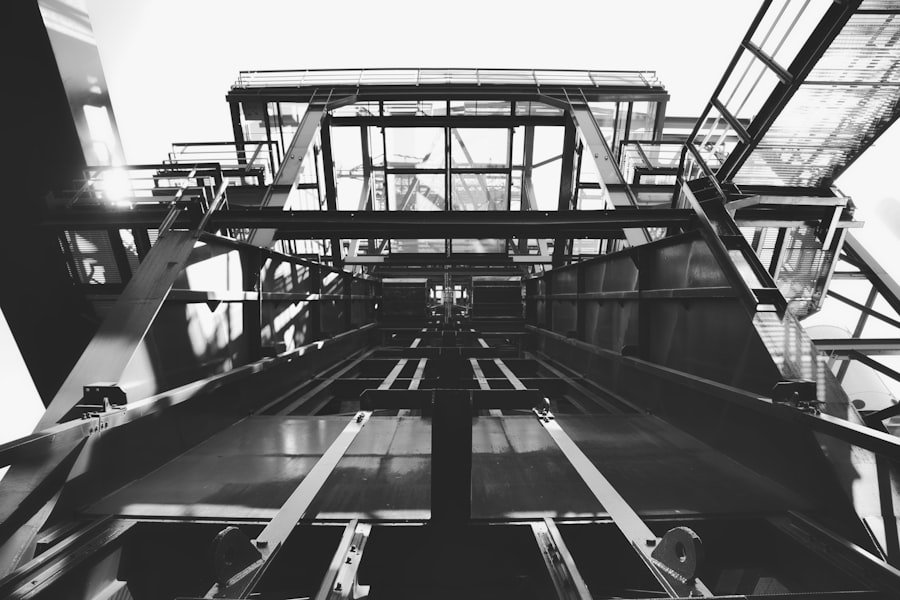
Sometimes, the problems aren’t hidden away inside. Your industrial lift will often show you its distress through visible signs of damage or wear. Regular visual inspections are your first line of defense.
Leaks: Oil, Grease, or Water
Any fluid leaking from your lift is a problem, plain and simple.
- Hydraulic Fluid Leaks: These are common and serious. They indicate worn seals, cracked hoses, or damaged hydraulic cylinders. Beyond the mess, they mean loss of pressure and potential system failure.
- Grease Leaks: While some grease is normal for lubrication, excessive leakage could mean seals are failing, or there’s too much being applied, attracting dirt and debris.
- Water Leaks: Can point to issues with seals, cooling systems, or even structural damage if it’s coming from internal components.
Damaged or Corroded Components
Look closely at the metal parts of your lift.
- Rust and Corrosion: Extensive rust, especially on structural elements like the mast or frame, can weaken the material and compromise safety.
- Dents and Bends: Physical impacts can cause dents or bends in the mast, carriage, or forks. These can affect the smooth travel of components and lead to binding or misalignment.
- Cracked Welds: Any visible cracks in the welds are a critical safety hazard and require immediate attention.
Worn Tires or Casters
The point of contact with the ground is essential for stability and movement.
- Severely Worn Tread: Like a car tire, worn treads reduce grip, making the lift more prone to slipping, especially on uneven or wet surfaces.
- Cracked or Chunked Rubber: This indicates the tires are degrading and could fail catastrophically.
- Flat Spots: If the lift has been stationary for a long time, flat spots can develop, leading to a bumpy ride and potential damage to components.
- Stiff or Seized Casters: If the casters aren’t rotating freely, it will make steering difficult and put undue stress on the lift’s drive system.
Damaged Electrical Cables or Hoses
Exposed wires or frayed hoses are both an electrical hazard and a precursor to failure.
- Abrasion and Cuts: These can happen from rubbing against other parts or sharp edges, exposing internal conductors or reinforcing layers.
- Heat Damage: If cables or hoses are routed too close to hot components, they can become brittle and crack.
What to Do
- Walk-Around Inspections: Make it a habit to do a quick visual check of the entire lift before and after each shift.
- Cleanliness is Key: A clean lift makes it easier to spot leaks and damage.
- Focus on High-Wear Areas: Pay extra attention to areas that move frequently or are subject to impact.
- Don’t Ignore Minor Issues: A small leak or a minor dent can escalate quickly if left unaddressed.
Sure, here is the sentence with the clickable link:
I found a reliable supplier for goods hoist at Goods Hoist Malaysia Supplier.
Safety Feature Malfunctions: When Protection Fails
Industrial lifts are equipped with various safety features designed to protect operators and prevent accidents. If these features aren’t working correctly, it’s a serious indicator that the lift is no longer safe to operate.
Warning Lights or Alarms Not Functioning
Many modern lifts have indicators for critical systems like brakes, battery charge, or hydraulic pressure.
- Dead or Dim Lights: If a warning light isn’t illuminating when it should, you’re not getting vital system status information.
- Silent Alarms: An audible alarm that doesn’t sound when triggered is useless. This could be for over-speed, tip-over warnings, or other critical events.
Brake Issues: Slipping or Inconsistent Engagement
The brakes are arguably the most critical safety feature.
- Brake Pedal Feel: If the brake pedal feels spongy, goes to the floor, or requires excessive force, the braking system needs immediate attention.
- Lift Drifting: If the lift creeps forward or backward when parked on a slight incline, the parking brake is failing.
- Grinding Noises During Braking: This can indicate worn brake pads or rotor damage.
- ABS or Traction Control Faults: For lifts equipped with these advanced systems, any fault light or unusual behavior signals a problem.
Load Capacity Indicators and Limiters
These systems are designed to prevent overloading.
- Overload Alarms Not Triggering: If the lift allows you to lift a load that exceeds its capacity without an audible or visual warning, the limiter is faulty.
- Erratic Load Readings: Inconsistent or incorrect load readings from sensors can lead to unsafe lifting practices.
Emergency Stop Button Failures
The E-stop is the last line of defense in an emergency.
- Button Stuck: If the emergency stop button doesn’t pop out easily after being pressed, or is difficult to engage, it’s a critical failure.
- System Not Shutting Down: If pressing the E-stop doesn’t immediately cut power to all functions, it’s not working.
Operator Presence Sensors
These sensors prevent the lift from moving if the operator isn’t in their proper position.
- Lift Moves Without Operator: If the lift is able to move while the operator is not seated or has left the controls, the sensor system is compromised.
What to Do
- Test Safety Features Regularly: Make it part of your routine maintenance to test all safety features, including horns, lights, and emergency stops.
- Never Bypass Safety Systems: Even if it seems like an inconvenience, never disable or bypass a safety feature.
- Report Any Suspected Malfunctions Immediately: Safety is non-negotiable. Any doubt about a safety feature requires immediate professional assessment.
If you’re concerned about the performance of your industrial lift, it’s essential to stay informed about the signs that indicate a need for repair or replacement. For a deeper understanding of the various types of lifts and their maintenance requirements, you might find it helpful to read this informative article on scissor lifts. Knowing the specifics can help you make better decisions regarding your equipment’s upkeep and longevity.
Frequent Breakdowns and Costly Repairs: The Financial Drain
While individual repairs are sometimes necessary, a pattern of recurring issues or increasingly expensive fixes is a strong signal that your lift might be nearing the end of its useful life.
Recurring Problems with the Same Component
If you’re constantly fixing the same part – say, the hydraulic pump or a specific valve – it suggests that the component is either inherently flawed in this model, or the underlying issue causing its failure hasn’t been resolved.
- Patchwork Repairs: Sometimes, a series of temporary fixes can mask a deeper problem, leading to repeated failures of the same system.
- Component End-of-Life: Components have a finite lifespan. If a critical part is consistently failing, it might simply be worn out.
Increasing Repair Costs
Track your maintenance expenditures. If the cost of repairs for a particular lift is steadily rising year over year, consider it an investment in a failing asset.
- Labor Costs: Even if the parts aren’t excessively expensive, frequent call-outs for repairs add up quickly in labor charges.
- Expensive Replacement Parts: As lifts age, specialized or obsolete parts can become very costly to source.
Downtime Affecting Productivity
Every minute your lift is out of commission, your operations suffer.
- Lost Production: Unplanned downtime directly impacts your ability to fulfill orders and meet deadlines.
- Decreased Throughput: If you need multiple lifts to compensate for one that’s frequently broken, you might be operating less efficiently overall.
- Overtime Costs: To make up for lost time, you might need to incur overtime for staff, further increasing operational costs.
Difficulty Finding Parts
As equipment ages, manufacturers may discontinue support or parts become harder to find.
- Long Lead Times: Waiting weeks or months for a critical part can effectively render your lift unusable for extended periods.
- Generic or Aftermarket Parts: While sometimes a solution, using non-OEM parts can sometimes lead to compatibility issues or reduced performance.
What to Do
- Maintain a Repair Log: Keep detailed records of all repairs, including the date, the problem, the parts replaced, and the cost. This data is invaluable for spotting trends.
- Calculate Total Cost of Ownership: Factor in purchase price, ongoing maintenance, repair costs, and downtime to understand the true cost of keeping an older lift.
- Compare Repair Costs vs. New Equipment: Get quotes for new equipment and compare that to your projected repair costs over the next few years. Often, the numbers will speak for themselves.
- Consult with Your Maintenance Team and Suppliers: They can offer insights into the lifespan of certain components and the overall health of your equipment fleet.
If you’re concerned about the condition of your industrial lift, it’s essential to recognize the signs that indicate it may need repair or replacement. For further insights on maintaining heavy lifting equipment, you might find it helpful to read about the importance of regular inspections and maintenance in our related article on car lifts and hospital lifts. Understanding these aspects can help ensure safety and efficiency in your operations.
When Replacement Makes Sense: Moving Forward
Deciding whether to repair or replace is a business decision, not just a mechanical one. It involves weighing the costs, risks, and benefits.
The Tipping Point for Repair
- Minor, Isolated Issues: If it’s a single, relatively inexpensive repair to a generally healthy machine.
- Preventative Maintenance Success: If the issue was caught early through a robust preventative maintenance program.
- Availability of Parts and Expertise: If parts are readily available and technicians can fix it efficiently.
The Case for Replacement
- Safety Concerns are Unresolvable: If safety features are failing, or structural integrity is compromised beyond economical repair.
- Recurring and Expensive Repairs: When the cost of ongoing repairs starts to approach or exceed the cost of a new machine over a reasonable period.
- Significant Performance Degradation: If the lift can no longer perform its core tasks efficiently, impacting your operations.
- Obsolete Technology: If newer lifts offer significant improvements in efficiency, safety, or features that would benefit your business.
- End of Manufacturer Support: If parts are no longer available or the manufacturer no longer offers support.
- Meeting Evolving Operational Needs: If your business has grown or changed, and your current lift is no longer suited to your new requirements.
Making the Decision
- Consult Your Team: Talk to your operators, mechanics, and supervisors. They have firsthand knowledge of the lift’s performance.
- Get Professional Assessments: Have a qualified technician or a lift specialist evaluate the condition of your equipment.
- Run the Numbers: Create a clear financial comparison of repair costs versus the investment in new equipment, considering expected lifespan and potential return on investment.
- Consider Leasing or Financing: For many businesses, the upfront cost of a new lift can be managed through flexible payment options.
Ultimately, your industrial lift is a tool. When it becomes a liability – costing too much to maintain, posing safety risks, or hindering your productivity – it’s time to consider upgrading to a machine that can reliably support your business goals. Regularly observing and understanding the signs your lift is giving you is the best way to stay ahead of the curve.
FAQs
1. What are the common signs that indicate an industrial lift needs repair or replacement?
Some common signs that indicate an industrial lift needs repair or replacement include unusual noises during operation, slow or jerky movements, hydraulic fluid leaks, and excessive wear and tear on the lift components.
2. How often should industrial lifts be inspected for potential repair or replacement?
Industrial lifts should be inspected regularly according to the manufacturer’s guidelines, typically every 6 to 12 months. However, more frequent inspections may be necessary if the lift is used heavily or if any signs of malfunction are noticed.
3. What are the potential risks of not repairing or replacing a malfunctioning industrial lift?
The potential risks of not repairing or replacing a malfunctioning industrial lift include safety hazards for workers, increased risk of accidents or injuries, decreased productivity, and potential damage to goods or equipment being transported on the lift.
4. How can a professional determine if an industrial lift needs repair or replacement?
A professional can determine if an industrial lift needs repair or replacement by conducting a thorough inspection of the lift, checking for signs of wear and tear, testing the lift’s functionality, and identifying any potential safety hazards.
5. What are the benefits of timely repair or replacement of an industrial lift?
The benefits of timely repair or replacement of an industrial lift include improved safety for workers, increased efficiency and productivity, reduced risk of costly breakdowns or accidents, and prolonged lifespan of the lift.