
So, you’re looking to pick out the right goods hoist for your warehouse. The short answer is: there’s no single “perfect” hoist for everyone. It all boils down to your specific needs – what you’re lifting, how high, how often, and the layout of your space. Think of it like buying a car; a compact sedan is great for city driving, but you wouldn’t use it to haul construction materials. We’ll walk through the key considerations so you can make an informed choice that actually works for your operation.
Before you even start looking at hoists, you need a clear picture of what you’re trying to achieve. This step is crucial and will save you a lot of headaches (and money) down the line.
What are you Lifting?
This seems obvious, but it’s more than just knowing “boxes.”
- Weight: This is paramount. You need to know both the average and maximum weight you’ll be lifting. Always factor in a safety margin. A hoist rated for 1 ton will struggle and wear out quickly if you consistently push it to 950kg.
- Dimensions: How big are these items? Length, width, and height will dictate the size of the platform, the clear opening required, and potentially the type of hoist (e.g., a cage vs. an open platform).
- Fragility: Are your goods delicate? This might influence the lifting speed, acceleration/deceleration, and the need for smooth operation.
- Nature of Goods: Are they oddly shaped, bulky, prone to shifting? This impacts how they need to be secured on the platform and the stability of the hoist itself. For instance, a pallet of bagged cement needs different handling than a single, delicate machine part.
- Hazardous Materials: If you’re lifting anything flammable, explosive, or corrosive, you’ll need specialized hoists designed to meet specific safety regulations. This is not an area to cut corners.
How High and How Often?
These factors influence the hoist’s motor, speed, and overall duty cycle.
- Lift Height: Straightforward – how many floors are you going up? This dictates the length of the lifting cables or chains/cylinders and the power required.
- Number of Stops: Are you just going straight up and down between two levels, or do you need to service multiple floors? Multi-stop hoists require more sophisticated controls.
- Frequency of Use: Is this an occasional lift or a constant, high-volume operation?
- Intermittent Use: For a few lifts a day, a simpler, less robust hoist might suffice.
- Frequent/Continuous Use: For many lifts per hour, you’ll need a heavy-duty hoist built for continuous operation, with robust motors and controls to withstand constant cycling. This often translates to a higher initial investment but lower maintenance in the long run.
- Speed Requirements: Do you need items moved quickly, or is a slower, more controlled pace acceptable? Higher speeds demand more powerful motors and more precise control systems.
When selecting the right goods hoist for your warehouse, it’s essential to consider various factors such as load capacity, height requirements, and safety features. For further insights into the range of products available that can enhance your warehouse operations, you may find it helpful to explore this related article on USP Corporation’s product offerings. This resource provides detailed information about different types of hoists and other equipment that can optimize your material handling processes.
Types of Goods Hoists
Once you understand your needs, you can start looking at the types of hoists available. There are a few main categories, each with its pros and cons.
Hydraulic Hoists
These are common and reliable, often using a hydraulic cylinder to push the platform up.
- Pros: Generally robust, good for heavy loads, relatively smooth operation, lower maintenance requirements for the lifting mechanism itself, and often simpler to install than traction types. They excel in situations where a pit is easily dug or a shallow pit is needed.
- Cons: Slower lifting speeds compared to some traction hoists, not ideal for very high rises (typically limited to 2-4 floors), the hydraulic fluid can be a fire hazard if not properly managed, and temperature fluctuations can affect performance. Energy consumption can be higher on the upstroke.
- Best For: Warehouses with 2-4 floors, heavy loads, and where speed isn’t the absolute top priority.
Traction/Wire Rope Hoists
These operate much like a traditional elevator, using a motor to pull steel ropes over a sheave, raising and lowering the platform.
- Pros: Excellent for high rises (can go many floors), faster lifting speeds, energy-efficient on the downstroke (regenerative braking is possible), and can handle high cycle rates.
- Cons: More complex mechanical systems (ropes, sheaves, counterweights), higher installation costs, generally require more precise shaft construction, and the ropes need regular inspection and replacement.
- Best For: Multi-story warehouses (5+ floors), high-volume operations, and when speed is critical.
Chain Hoists
These use a motor to pull a heavy-duty chain, lifting the platform. They are often simpler in design than wire rope hoists.
- Pros: Very durable, good for rough environments, less susceptible to damage than wire ropes, reliable for medium lifting heights.
- Cons: Can be louder than other types, generally slower than wire rope systems, and visually bulkier.
- Best For: Industrial settings, often used for smaller, dedicated lifts between two levels where robustness is prioritized over aesthetics or ultra-high speed.
Key Design & Safety Features
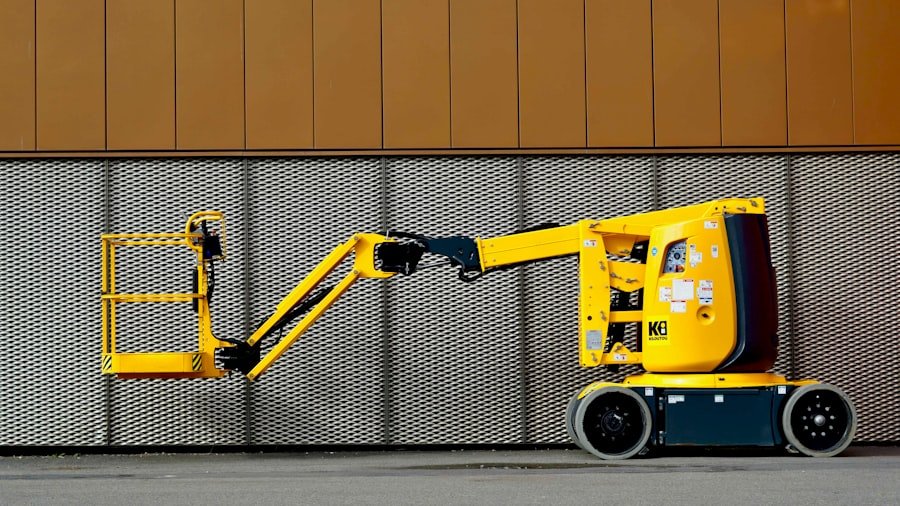
Beyond the basic lifting mechanism, there are crucial features that impact safety, efficiency, and usability.
Platform and Cage Design
- Open Platform: Just a flat base, usually with side rails. Good for oversized items that won’t fit in an enclosed cage, or where easy access from all sides is needed. Less restrictive but offers less protection for goods and personnel.
- Enclosed Cage: A fully caged or walled structure. Offers maximum protection for goods from falling off and personnel from falling in. Essential for scenarios where personnel might accompany goods or where security is a concern.
- Gate Type:
- Swing Gates: Common, simple, cost-effective. Require space for the gate to open.
- Sliding Gates: Space-saving, often powered for ease of use. Can be vertical or horizontal.
- Roll-Up Doors/Shutters: Provide full enclosure when closed, good for security and weather protection, but slower to operate.
- Load Dimensions & Clearances: Ensure the platform size and clear opening height/width are sufficient for your largest items, plus a comfortable margin for loading and unloading.
Loading and Unloading Considerations
How will items get onto and off the hoist?
- Manual Loading: Personnel pushing trolleys, or hand-stacking.
- Forklift Loading: Requires a robust platform and potentially a larger opening. The floor strength at the loading/unloading points needs to be considered, especially for the forklift’s weight.
- Pallet Truck Loading: Similar to forklifts but generally lighter.
- Conveyor Integration: For automated systems, the hoist needs to seamlessly interface with existing conveyor lines.
Controls and Automation
- Simple Call/Send Buttons: Basic up/down controls.
- Multi-Stop Controls: For servicing multiple floors with precise stopping at each level.
- Variable Frequency Drives (VFDs): Provide smooth acceleration and deceleration, reducing wear and tear on the hoist and protecting your goods. Also more energy-efficient.
- Interlocks: Essential safety feature ensuring doors are closed before the hoist moves and the hoist is level at a floor before doors can open.
- Emergency Stop: Clearly visible and accessible, a non-negotiable safety requirement.
- Overload Protection: Prevents the hoist from operating if overloaded, protecting machinery and preventing accidents.
- Remote Monitoring/Diagnostics: For more advanced systems, allows for proactive maintenance and troubleshooting.
Safety Features (Non-Negotiables)
- Door/Gate Interlocks: Already mentioned, absolutely critical.
- Safety Brakes: Redundant braking systems to prevent uncontrolled descent in case of power failure or primary brake malfunction.
- Limit Switches: Prevent the hoist from traveling too far up or down.
- Pit/Hoistway Safety: Ensures a safe area below the platform for maintenance and preventing crushing hazards.
- Fall Arrest Systems: For goods or personnel, depending on the hoist design and local regulations.
- Emergency Lowering: A manual or powered system to bring the hoist down safely in the event of a power outage.
- Clear Signage: Load capacity, safety warnings, emergency procedures.
Sure, here is the sentence with the clickable link:
I found a reliable supplier for goods hoist at Goods Hoist Malaysia Supplier.
Installation and Structural Considerations
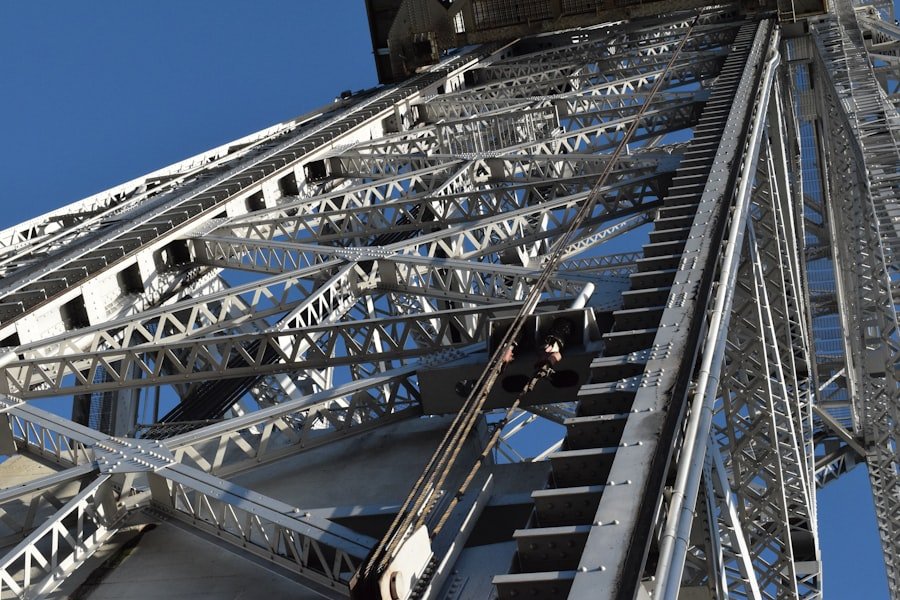
This is where you absolutely need to bring in the professionals – both hoist suppliers and structural engineers.
Building Structure & Support
- Floor Loading: Can your existing floors support the weight of the hoist, its dynamic load (in motion), and the items being loaded/unloaded, especially by forklifts? This includes the point loads from the hoist’s support columns.
- Roof/Overhead Support: For some hoist types, the roof structure might need to support the hoist machinery or components.
- Wall Reinforcement: The hoistway walls need to be sufficiently robust to securely anchor guide rails and other components.
- Pit Requirements: Hydraulic hoists often need a pit for the cylinder and leveling. Has your floor slab been designed to accommodate this? Can you dig one safely without impacting foundations?
- Headroom: Enough clear space above the top landing to accommodate the hoist mechanism, travel, and any maintenance access.
Power Requirements
- Voltage and Amperage: Hoists are machinery; they need significant power. Ensure your electrical supply can handle the motor requirements without overloading circuits.
- Three-Phase Power: Most industrial hoists require three-phase power. Check if your building has it available at the hoist location, or if an upgrade is needed.
- Dedicated Circuits: It’s best practice to have a dedicated circuit for the hoist to prevent interference with other electrical equipment and ensure stable power.
Hoistway Enclosure
- Fire Rating: Local building codes will dictate the fire rating required for the hoistway enclosure, especially if the hoist passes through multiple fire compartments.
- Material: The hoistway walls need to be robust and built to code, often concrete blocks or stud walls with drywall/plywood finishes.
- Access: Ensure maintenance access is possible without compromising the hoistway integrity.
Regulatory Compliance & Permitting
This is not optional.
- Local Building Codes: You must comply with all local, state, and national building codes related to vertical transportation, fire safety, and structural integrity.
- OSHA/WorkSafe Regulations: Regulations regarding machine guarding, safe operation, lockout/tagout procedures, and personnel safety are paramount.
- Permitting Process: Installing a goods hoist is a significant construction project and will almost certainly require permits. Start this process early; it can be lengthy.
- Inspection: The hoist will need to be inspected by local authorities before it can be put into service.
When selecting the ideal goods hoist for your warehouse, it’s essential to consider various factors such as load capacity, height requirements, and safety features. A comprehensive resource that can further guide you in making an informed decision is an article on lifting and handling products, which discusses the different types of equipment available and their specific applications. You can explore this valuable information by visiting this link. Understanding these aspects will help ensure that you choose a hoist that meets your operational needs effectively.
Budget & Long-Term Costs
It’s not just about the sticker price for the hoist itself.
Upfront Costs
- Hoist Purchase Price: This is often the starting point, but rarely the total cost.
- Installation Costs: Labor, materials for hoistway construction, electrical work, structural reinforcement. This can be a significant portion of the overall budget.
- Permits and Fees: Don’t forget these administrative costs.
- Ancillary Equipment: Any specialized loading equipment, lighting, or safety barriers.
- Engineering Fees: Structural engineers, electrical engineers, etc., are essential.
Operating Costs
- Energy Consumption: Hoists use electricity. More frequent use, heavier loads, and longer travel distances mean higher bills. VFDs can help reduce this.
- Maintenance & Servicing: All mechanical equipment needs regular maintenance. Factor in routine service contracts, inspections (often mandatory), and potential repairs. Parts wear out.
- Spare Parts: Having critical spare parts on hand can minimize downtime.
- Inspection Fees: Annual or semi-annual statutory inspections are typically required.
Return on Investment (ROI)
While a hoist is an investment, it should ideally provide a return.
- Increased Efficiency: Faster movement of goods, reducing labor hours spent on manual lifting or navigating ramps.
- Reduced Labor Costs: Fewer people needed for transport, freeing them up for other tasks.
- Improved Safety: Less risk of injury from manual lifting of heavy items.
- Maximized Space: Utilizing vertical space more effectively can increase storage capacity.
- Reduced Product Damage: Smoother, controlled lifting reduces the chance of damage to expensive or fragile goods.
By carefully considering all these points and working closely with reputable hoist manufacturers and experienced contractors, you’ll be well on your way to selecting the perfect goods hoist that genuinely meets your warehouse’s operational needs and budget. Don’t rush the decision; the right hoist will be a dependable workhorse for years to come.
FAQs
What is a goods hoist?
A goods hoist is a type of lifting equipment used to move heavy goods and materials between different levels of a warehouse or building. It is commonly used in industrial and commercial settings to improve efficiency and safety in the movement of goods.
What factors should be considered when choosing a goods hoist for a warehouse?
When choosing a goods hoist for a warehouse, factors to consider include the weight and size of the goods to be transported, the vertical distance to be covered, the available space for installation, safety features, and compliance with relevant regulations and standards.
What are the different types of goods hoists available for warehouses?
There are various types of goods hoists available for warehouses, including vertical reciprocating conveyors (VRCs), mezzanine goods lifts, and goods hoists with different loading capacities and lifting mechanisms. Each type has its own advantages and is suitable for specific warehouse requirements.
How can a goods hoist improve efficiency in a warehouse?
A goods hoist can improve efficiency in a warehouse by reducing the time and effort required to move goods between different levels, minimizing the risk of manual handling injuries, and optimizing the use of space within the warehouse. It can also streamline the workflow and contribute to overall productivity.
What are some important safety considerations when using a goods hoist in a warehouse?
Safety considerations when using a goods hoist in a warehouse include regular maintenance and inspections, proper training for operators, clear signage and markings, adherence to weight and capacity limits, and compliance with relevant safety standards and regulations. It is important to prioritize safety to prevent accidents and injuries.