
Overview of Safe Material Handling Products. Products used in manufacturing, warehousing, distribution, and consumption must be moved, stored, protected, and controlled. During these operations, worker safety and product integrity are of utmost importance. Products for safe material handling are created especially to reduce the risks involved in these procedures. The different types of safe material handling products, their characteristics, and their significance in establishing a safe & effective workplace will all be covered in this article.
Injury prevention and ergonomics. A large percentage of material handling-related workplace injuries are caused by awkward postures, repetitive motions, and excessive strain. Ergonomic principles are frequently incorporated into safe material handling products to lessen workers’ physical stress. Lifting assistance.
For those interested in enhancing workplace safety, a related article on safe material handling products can be found at USP Corporations. This resource provides valuable insights into the importance of using appropriate equipment, such as passenger lifts, to ensure the safe transport of materials and personnel. By implementing the right tools, businesses can significantly reduce the risk of accidents and improve overall efficiency in their operations.
Pallet Jacks: Both electric and manual pallet jacks enable workers to move large objects without using their hands. Safety and comfort are improved by features like hydraulic unit splash guards and handle height adjustments. Drum Lifters & Handlers: These tools are made to securely hold, raise, and tilt drums, reducing the possibility of spills and back injuries. Balanced designs and safe clamping mechanisms are common features.
Work Positioners: By bringing materials to an ergonomic working level, workers can minimize the need for bending & reaching thanks to manipulators with variable height and tilt. Transfer Assistance. Conveyor Systems: By automating the movement of goods, belt conveyors, roller conveyors, & overhead conveyors minimize manual handling. Safety features include sensors to identify obstructions, guards around moving parts, and emergency stop buttons. Autonomous Mobile Robots (AMRs) and Automated Guided Vehicles (AGVs) are intelligent vehicles that can move materials on their own using software & sensors.
For reliable lifting and handling solutions, visit our Facebook page.
They have safety sensors that can identify people and obstacles & stop or reroute to prevent collisions. Transfer tables & lifts: These equipment, which frequently include safety interlocks and load-bearing capabilities, make it easier to move materials between various platforms or heights. Hand tools. Hand trucks with angled handles, padded grips, and stair-climbing wheels are known as ergonomic hand trucks because they lessen the physical strain that comes with manual transportation. Pallet Inverters: By rotating pallets to change orientation or safely remove lower pallets from a stack, these devices eliminate the need for heavy lifting or reaching. Stability and security of loads.
When considering the importance of safe material handling products, it’s essential to explore comprehensive resources that provide valuable insights. For instance, a related article on the topic can be found at USPCorporations, which discusses various services and solutions designed to enhance safety and efficiency in material handling. By understanding the best practices and available products, businesses can significantly reduce the risk of accidents and improve overall operational effectiveness.
Serious mishaps & damage can result from the possibility of loads shifting, tipping, or falling while being transported or stored. In order to stop such incidents, load security products are essential. Device security.
When it comes to ensuring workplace safety, understanding the importance of using safe material handling products is crucial. For instance, a recent article discusses the benefits of utilizing scissors lifts, which can significantly enhance efficiency while minimizing the risk of accidents. You can read more about these essential tools in the article on scissors lifts and how they contribute to safer material handling practices in various industries.
Tensioning devices, cam buckle straps, and ratchet straps are used to securely fasten loads to storage racks or automobiles. High tensile strength and durability are provided by materials such as polyester webbing. Chains and Binders: Load binder chains and binders offer strong securing options for heavy-duty applications.
Appropriate load capacity ratings and routine wear inspections are safety considerations. Edge Protectors: These devices, which are frequently composed of foam, cardboard, or plastic, are positioned at the edges of loads that are strapped in order to preserve load integrity by preventing damage to both the goods & the straps. Containment Methods. Pallet Wrap & Stretch Film: To prevent shifting and consolidate items, polyethylene film is used to tightly wrap palletized loads.
The probability of breakage is decreased by films with high tensile strength. Shrink Wrap Machines: Automated shrink wrap systems offer a reliable and safe way to package, guaranteeing that each item in a load is kept together. Cargo nets: To keep loose objects or loads with irregular shapes from falling while in transit, flexible & sturdy nets are utilized. products for load stabilization.
Anti-Slip Mats & Dunnage: These materials are positioned on surfaces or in between layers of goods to create friction and stop loads from slipping. Their design improves grip without causing damage to the cargo. When air bladders are inserted into empty spaces inside a load, they expand to fill the space & form an impenetrable, shock-absorbing barrier that stops movement.
Systems built into shelving or automobiles that lock loads in place to stop them from moving during vibrations or movement are known as load restraints. Material handling personal protective equipment (PPE). Personal protection is always necessary when working directly with materials and equipment, even though material handling products are designed to automate and help.
The last line of defense for employees is appropriate PPE. Hand defense. Cut-Resistant Gloves: Constructed from materials such as Dyneema or Kevlar, these gloves offer protection against abrasive surfaces and sharp objects that may be encountered when handling raw materials or completed goods.
Impact-Resistant Gloves: These gloves reduce the possibility of injury from impacts or crushing thanks to their reinforced padding on the palms and knuckles. Gloves made of nitrile, neoprene, or PVC provide protection against contact and spills when handling materials that present a chemical risk. Foot protection. Steel-toe or composite-toe boots: These safety features shield the feet from crushing injuries brought on by falling objects. Composite toes provide a more lightweight option.
Slip-Resistant Soles: Typically found in factories and warehouses, these soles are made with particular tread patterns & rubber compounds to prevent falls on wet or greasy surfaces. Puncture-Resistant Soles: Prevent cuts from sharp objects that might be lying on the floor, like broken glass or nails. Protection for the head and body. Wearing a high-visibility vest or outfit is essential for making sure employees are seen in crowded areas, particularly when there is moving machinery or cars nearby. Reflective strips and fluorescent colors are standard features.
Hard hats shield the head from impacts and falling objects, especially in places with restricted headroom or overhead hazards. Depending on the material, protective sleeves and aprons provide extra defense for the arms and torso against abrasions, chemicals, and small impacts. Face and eye protection. Safety glasses: Offer fundamental defense against small impacts, dust, and debris. Goggles: Protect against splashes and smaller particles by providing a more tight seal around the eyes.
Face shields are used in situations where there is a chance of being struck by molten material, larger debris, or chemical splashes. They are frequently worn with safety glasses. Racking safety & storage. Inadequate storage systems can contribute to hazardous conditions by causing structural collapse, falling inventory, and challenging access. Secure material handling is based on safe storage solutions.
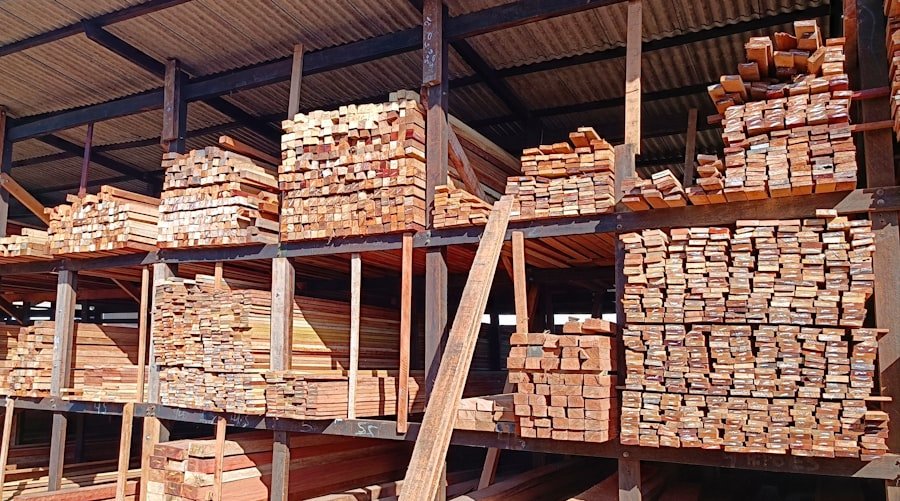
Racking Systems. The most popular kind, selective pallet racks, provide direct access to every pallet. Strong connections, load capacity labeling, and appropriate gauge steel construction are examples of safety features. Drive-In/Drive-Through Racks: These racks let pallets be stored by forklifts driving into them. In order to prevent impacts, they must be carefully designed and frequently have strong upright protectors. Cantilever Racks: Perfect for keeping long, heavy objects like pipes or lumber in storage.
They need sturdy uprights and safe arm attachments because their arms extend forward without interfering vertically. Shelving Systems: Safe systems guarantee stability, proper load distribution, & unobstructed access for both lighter and heavy-duty industrial shelving. Accessories for racks and safety features. Column guards and upright protectors are mounted at the base of rack uprights to deflect forklift impact and avoid structural damage that could jeopardize the system as a whole.
Forklifts cannot inadvertently drive into the racking structure when physical barriers are positioned at the ends of aisles. Load Beams and Decking: Make sure the weight of the items being stored is distributed and supported appropriately. Pallet supports, solid decking, or wire decking give objects a stable surface. Devices known as pallet supports and backstops keep pallets from sliding off or being forced too far back into racks. To prevent falls, guardrails & safety barriers are placed around open edges of storage areas, mezzanines, and elevated platforms.
Inspection and upkeep. Frequent Inspections: Checking for bent or damaged uprights, loose connections, worn components, and overloading is an essential safety precaution. Systems for Reporting Damage: It’s critical to set up precise protocols for reporting and dealing with any damage to racking systems that is discovered. Load Capacity Labels: Easily readable labels that show the highest weight that each beam and section can securely support. Safety of vehicles & equipment.
Forklifts and cranes are examples of the equipment used in material handling that poses inherent safety risks. Operational procedures and the design of safe equipment cannot be compromised. industrial trucks as well as forklifts. Operator Certification and Training: Thorough instruction in load handling, operation, and safety protocols is crucial.
Competency is guaranteed by certification. Pre-Operational Checks: It’s crucial to check the brakes, tires, steering, hydraulic systems, and safety features like lights, horns, and seatbelts every day. Load Capacity Plates: For stability and to avoid tipping over, it is essential to comprehend & abide by the forklift’s stated load capacity. Features that contribute to safe operation include seatbelts, braking systems, overhead guards, & audible alarms.
Illumination and Visibility: In order to navigate safely and prevent collisions, the vehicle and the work area must have adequate lighting. hoists and cranes. Safe lifting of loads depends on the careful selection and examination of rigging equipment, such as slings, shackles, & hooks.
Correct attachment techniques and load-rated equipment are essential. Operator Competency: To guarantee safe movement & load control, crane operators need specific training and certification. Load Charts: The crane’s load chart, which indicates the maximum lifting capacities at various radii, must be understood and followed.
Maintenance Schedules: Cranes & hoists must undergo routine inspections, lubrications, and servicing in accordance with manufacturer recommendations. Safety Devices: Emergency stop buttons, limit switches, and overload protection are essential safety features. Conveyor protection. Guarding: Preventing unintentional contact by erecting barriers around pinch points, drive mechanisms, and transfer points. Emergency Stops: At key locations along the conveyor line, there are easily accessible stop buttons.
Lockout/Tagout (LOTO) Procedures: LOTO procedures guarantee that the conveyor is de-energized & cannot be unintentionally started during maintenance or jam clearance. Safe Loading and Unloading Zones: Specific locations with unambiguous signage and instructions for loading or unloading goods from the conveyor. Loading dock equipment and dock levelers. Wheel chocks or dock lock systems are examples of vehicle restraint systems that fasten trailers to the loading dock in order to stop dock creep or trailer separation during loading and unloading.
Dock Seals and Shelters: Make a seal between the building and the trailer to shield workers & goods from the elements and minimize energy loss. Edge of Dock Levelers: Establish a connection between the trailer floor and the dock. Load capacity, sturdy construction, and secure attachment are examples of safety features. Safety lights are signaling devices that show when a trailer is secured or when it is safe to approach.
By methodically addressing these types of safe material handling products, companies can lower the number of accidents, safeguard their employees, and guarantee a dependable and effective flow of goods. The foundation of a safe operating environment is the proper choice, application, and upkeep of these products.
.
FAQs
What are safe material handling products?
Safe material handling products are tools and equipment designed to assist in the lifting, moving, and transporting of materials while minimizing the risk of injury to workers. These products include items like gloves, lifting straps, carts, dollies, and ergonomic tools.
Why is it important to use safe material handling products?
Using safe material handling products helps prevent workplace injuries such as strains, sprains, and musculoskeletal disorders. They improve efficiency and reduce the physical strain on workers, promoting a safer and healthier work environment.
What types of materials are safe material handling products typically used for?
These products are used for handling a wide range of materials including boxes, pallets, heavy machinery parts, raw materials, and finished goods in various industries such as manufacturing, warehousing, construction, and retail.
How do safe material handling products contribute to workplace safety?
They reduce the need for manual lifting and carrying, provide better grip and control, and often incorporate ergonomic designs that align with natural body movements. This reduces the likelihood of accidents and injuries related to improper handling techniques.
Are there standards or regulations for safe material handling products?
Yes, many countries have occupational safety and health regulations that set standards for material handling equipment. Organizations like OSHA (Occupational Safety and Health Administration) in the U.S. provide guidelines to ensure that material handling products meet safety requirements.