
The term “workplace lifting equipment” describes a wide variety of mechanical tools intended to help move large, heavy objects in an industrial or commercial setting. These instruments are essential to operations in many different industries, including construction, healthcare, manufacturing, and warehousing. Their main purpose is to ease the physical strain on human workers, which lowers the possibility of musculoskeletal injuries, increases productivity, & makes it possible to perform tasks that would otherwise be impossible.
Choosing and using the right lifting equipment is essential to preserving a secure and effective working environment. The fundamental idea behind workplace lifting equipment is to increase human force by utilizing mechanical advantage and other physics principles. Attempting to move a boulder with only physical strength is not feasible. But with the help of a lever, a much greater weight can be moved at one end with a little force applied to the other. Though frequently more intricate, lifting equipment works on similar principles.
In today’s fast-paced work environments, the importance of using the right lifting equipment cannot be overstated, as it significantly enhances safety and efficiency. For those interested in exploring a wide range of lifting and handling products, a related article can be found at this link: Lifting and Handling Products. This resource provides valuable insights into various equipment options that can help streamline operations and reduce the risk of workplace injuries.
Fulcrums and levers. The lever is the most fundamental type of mechanical advantage. Compared to direct lifting, a load can be raised with less force when a lever arm is pivoting on a fulcrum.
Simple pry bars and, more importantly, the design of numerous larger lifting devices are examples of how this principle is applied in the workplace. The mechanical advantage increases with the fulcrum’s proximity to the load; this means that less force is needed to raise the object. Block and tackle systems and pulleys. Another essential component of lifting technology is the pulley system.
For reliable solutions in lifting and handling, visit our Facebook page.
Pulling down to raise up is more convenient when a single pulley is used to change the direction of a force. Block and tackle systems, which consist of several pulleys, provide a number of mechanical advantages. Lifting a heavy object requires a proportionately less effort when the load is divided among multiple ropes & pulleys. For example, the weight of the load would be divided by four in a system with four supporting ropes, theoretically making it much easier to lift.
When considering the safety and efficiency of workplace lifting equipment, it is essential to stay informed about the latest advancements and best practices in the industry. A valuable resource on this topic can be found in a related article that discusses various types of lifting equipment and their applications. For more insights, you can read the article here. This information can help businesses make informed decisions about the equipment they choose to implement in their operations.
However, the length of rope that has to be pulled also increases due to the increased number of pulleys & rope segments. ramps and planes that are inclined. An inclined plane, also known as a ramp, makes it possible to move a load farther and to a higher elevation. In doing so, force is given up for distance. An object is pushed or pulled up an incline rather than straight up.
In today’s fast-paced work environment, the importance of using appropriate workplace lifting equipment cannot be overstated, as it significantly enhances safety and efficiency. For those looking to explore various options and services related to lifting equipment, a comprehensive resource can be found in this article, which outlines different types of equipment and their applications. By investing in the right tools, businesses can not only protect their employees but also improve productivity across the board.
Less force is needed on a shallower incline. Applications in the workplace include conveyors, loading docks, and forklift ramps. The hydraulics and gears. To increase force multiplication, modern lifting equipment frequently uses gears and hydraulic systems. Gears are a set of toothed wheels with intermeshing that can be used to change speed or increase torque (rotational force), giving precise power and control.
In order to transmit and increase force, hydraulic systems take advantage of the incompressibility of liquids, usually oil. A cylinder with a larger piston will exert a proportionately greater force when a smaller piston pumps fluid into it. This is the idea underlying hydraulic cranes, lifts, and jacks, which enable the lifting of enormous weights with comparatively little effort. There is a large range of lifting equipment to suit different lifting situations and needs. Selecting the best tool for a task requires an understanding of these categories.
Equipment for Manual Lifting. With the addition of mechanical advantage, these devices mainly rely on human power. They are frequently utilized for lighter loads or tasks where powered equipment is impractical or not required because of their generally simpler design & operation. Hand Dollies and Trucks.
Hand trucks, sometimes referred to as sack trucks or trolleys, are L-shaped vehicles with wheels at the base that have a lip or platform to support the weight. For moving boxes, cartons, and moderately sized objects, they are perfect. Dollies are level, wheeled platforms that are used to support and move objects from below. They come in handy for hard-to-grip objects like machinery & furniture. Pallet Jacks.
Pallets can be lifted and moved with a pallet jack, which is a manually operated pump truck. Wheels for transportation, a hydraulic pump to raise the forks a little off the ground, and a frame with two forks that slide under a pallet make up this apparatus. They are commonplace in retail settings and warehouses. carts and wagons with wheels. These are straightforward structures or wheeled platforms for material transportation. They include more complex wagons with sides & steering systems as well as more straightforward flatbed carts.
For moving tools, parts, or completed goods across comparatively smooth surfaces, they are adaptable. Lifting equipment that is powered. For the purpose of lifting, powered lifting equipment uses an external energy source, such as hydraulics, internal combustion engines, or electricity. This considerably raises the lifting operation’s weight capacity and efficiency. lifts.
The purpose of hoists is to raise and lower suspended loads. They can be driven pneumatically, electrically, or manually. Chain hoists that are operated by hand. Operating by pulling a hand chain, these are the most basic kind of hoist.
They work well for light loads and sporadic applications where electricity is either undesirable or unavailable. Electric hoists. An electric motor is used by electric hoists to raise and lower the load.
Common on assembly and manufacturing lines, they provide more speed, capacity, and ease of use than manual hoists. Pneumatic or air hoists. The lifting mechanism of air hoists is powered by compressed air.
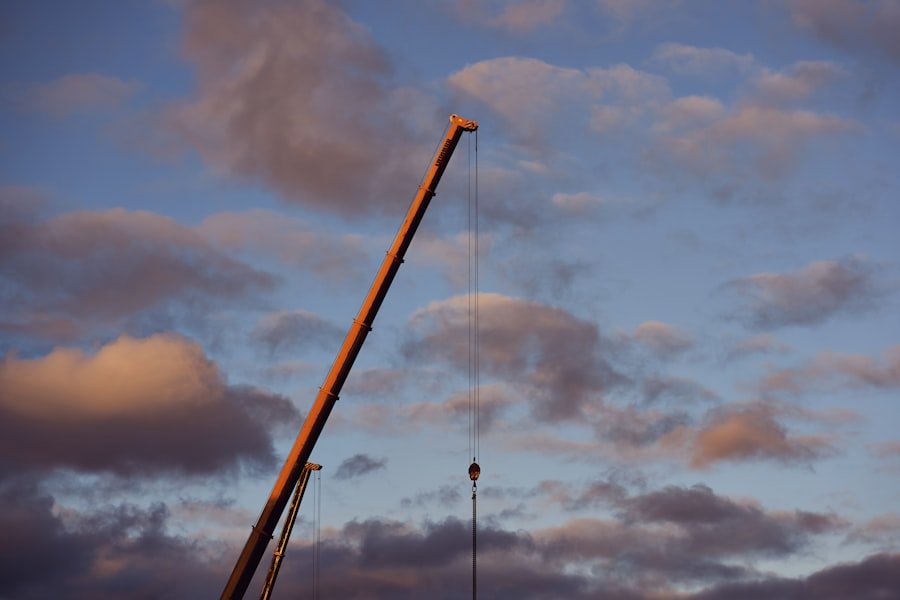
Because they don’t spark, they are frequently utilized in settings where sparks are an issue, like paint stores or places with flammable materials. cranes. Cranes are devices that lift & move large, heavy objects. Usually, they have a hoist mechanism at the end of a boom or jib that can be articulated and extended.
cranes in the air. Bridge cranes, as they are also called, are made up of a trolley that travels along a bridge that crosses a bay or workshop. Manufacturing plants and heavy industries frequently use them because they are perfect for covering large areas within a facility. Cranes jibbed.
A vertical mast supports a horizontal arm, or jib, that is used by jib cranes. They are frequently used for localized lifting at individual workstations & are effective at covering a particular work area. movable cranes. These cranes can be moved to various locations because they are mounted on a chassis with wheels or tracks.
They are necessary for any application that calls for the lifting and moving of large objects in a variety of outdoor or semi-permanent settings, including construction sites. Industrial truck lifts, or forklifts. Pallet-stacked materials can be lifted and moved using forklifts, which are powered industrial trucks with a mast & forks. Because they allow for quick movement of goods and versatility in vertical storage, they are essential to warehousing and logistics.
Forklifts with counterbalance. The load on the forks is balanced by a counterweight at the back of these, the most popular kind of forklift. They can run both indoors and outdoors & are powered by engines or electricity. Get to the trucks. High-density storage and narrow aisles are the goals of reach trucks’ design. Because of their forward-extending mast, they can reach loads in racks without having to move the entire truck.
stackers for pallets. Pallet stackers are simpler and less powerful forklifts that are frequently operated by hand or with an electric lift. In smaller warehouses and at lower elevations, they are employed for pallet stacking. elevators and lifts. Specialized lifts are made for people and equipment in addition to material handling.
lifts with scissors. Scissor lifts raise a platform using a network of interconnected folding supports that resemble a pair of scissor legs. Frequently used for maintenance, installation, or access to elevated work areas, they offer a steady vertical lift. Aerial work platforms, or boom lifts. Cherry pickers, sometimes referred to as boom lifts, are equipped with a hydraulic arm that can articulate and extend, providing access to areas that are difficult to reach or extremely high.
They are essential for building upkeep, tree pruning, and bridge inspection. lifts mounted on vehicles. These are mounted on vans or trucks to enable mobile access for jobs like emergency rescue or utility work. specific lifting apparatus. Certain lifting equipment is made to handle particular problems and is intended for very specific jobs or settings.
vacuum lifts. These tools adhere to non-porous, smooth surfaces using suction cups. They work wonders when handling materials like sheet metal, glass, and other items that could be harmed by mechanical grips. magnetic lifters.
To lift ferrous metal objects, magnetic lifters use strong electromagnets or permanent magnets. For handling steel plates, beams, and scrap metal in foundries and metal fabrication shops, they are effective. Handlers and Drum Lifters. These are specialized tools made for safely tilting, lifting, and pouring drums of liquids or granules. They avoid the physical labor involved in moving large, frequently dangerous containers. Because lifting equipment has inherent power, strict safety procedures are required.
A careless moment can result in disastrous mishaps. Competency and training. Sufficient training is necessary to operate lifting equipment. Operators need to be aware of the particular device, including its limitations, load capacities, and emergency protocols.
Operating powered equipment, such as cranes and forklifts, frequently requires a license or certification. pre-operational examinations. The lifting equipment must be thoroughly inspected before each use. This entails examining the tires, brakes, worn chains, hydraulic leaks, damaged ropes, and any other indications of wear or malfunction. The first line of defense against mishaps is these inspections.
Capacity and load management. Any lifting device’s weight capacity must be understood and respected. A major contributor to equipment failure and mishaps is overloading. Manufacturer-provided load charts must be reviewed and followed. The actual lifting capacity can be impacted by a number of variables, including the load’s center of gravity, whether it is suspended, and the lift angle. Finding hazards and evaluating risks.
Any lifting operation should be preceded by a risk assessment. This entails locating potential dangers like weather, overhead obstacles, unstable terrain, and closeness to other people or equipment. Next, mitigation measures need to be put into action. protective gear for individuals (PPE). There is no negotiating the use of the proper PPE.
Gloves, high-visibility apparel, safety boots, and hard hats are examples of this. Additional PPE, like eye protection or fall arrest devices, may be required for particular tasks. planned upkeep. The continuous safe operation of lifting equipment depends on planned, routine maintenance performed by trained technicians. This proactive strategy spots possible problems before they develop into serious malfunctions.
Lifting equipment contributes significantly to long-term worker well-being through ergonomic improvements, even beyond the immediate risks of mechanical failure. lowering MSDs, or musculoskeletal disorders. Back injuries, sprains, and strains are among the MSDs that are significantly exacerbated by manual lifting. The physical strain on employees’ bodies is significantly decreased when heavy lifting is delegated to mechanical devices, which results in fewer chronic pain conditions and missed workdays.
Increasing the efficiency of workflow. Employees can work more productively when they are not worn out from heavy lifting. By enabling quicker material movement, lifting equipment can increase productivity and lessen production or logistics chain bottlenecks. boosting employee retention and morale.
Employee morale can rise in an environment that puts worker safety & wellbeing first by providing them with up-to-date, efficient lifting equipment. Workers are more likely to be motivated & dedicated to their jobs when they feel appreciated and shielded from needless physical harm, which improves staff retention. Dealing with an Aging Workforce. The physical demands of some jobs can become more difficult as workers age. People who might be experiencing age-related physical limitations can still contribute effectively without sacrificing their health by using lifting equipment. It enables a more sustainable & inclusive workplace.
The lifting equipment industry is dynamic. How we lift & move materials in the future is constantly being shaped by technological developments. robotics and automation. A developing trend in lifting operations is the incorporation of automation & robotics.
Warehouses and factories are increasingly using automated guided vehicles (AGVs) and autonomous mobile robots (AMRs) to move goods with little assistance from humans. For repetitive and accurate lifting tasks, robotic arms are also being used. Advanced Design and Materials. Lifting equipment is becoming stronger, lighter, and more resilient thanks to advancements in materials science. Equipment with increased load capacities, longer lifespans, and enhanced maneuverability may result from this.
Equipment designs are becoming more efficient and optimized thanks to computer-aided design (CAD) & finite element analysis (FEA). Integration of IoT and smart technology. Lifting equipment is increasingly incorporating the Internet of Things (IoT), which enables real-time performance, usage, & maintenance requirement monitoring.
By transmitting information about their load history, operational status, & environmental conditions, “smart” hoists and cranes can improve safety procedures and enable predictive maintenance. Improved security features. It is probable that lifting equipment of the future will have even more advanced safety features, like integrated fail-safe mechanisms, load stability monitoring, & sophisticated sensor systems for obstacle detection. This will further lessen the possibility of mechanical failure & human error.
Greenhouse gas and sustainability. In every industry, including lifting equipment, there is a growing push for electrification. In comparison to their diesel or gasoline-powered counterparts, electric forklifts, hoists, & cranes offer lower emissions, less noise pollution, and frequently lower operating costs, which is why they are becoming more and more common. This fits in with larger workplace sustainability initiatives.
.
FAQs
What types of lifting equipment are commonly used in the workplace?
Common types of workplace lifting equipment include forklifts, hoists, cranes, pallet jacks, and conveyor systems. These tools help move heavy materials safely and efficiently.
What safety precautions should be taken when using workplace lifting equipment?
Safety precautions include proper training for operators, regular equipment inspections, using appropriate personal protective equipment (PPE), following load capacity limits, and ensuring clear communication among workers.
How often should workplace lifting equipment be inspected?
Lifting equipment should be inspected regularly, typically before each use and through scheduled maintenance checks as recommended by manufacturers or regulatory guidelines, often monthly or quarterly.
Who is responsible for maintaining workplace lifting equipment?
Employers are generally responsible for ensuring that lifting equipment is properly maintained and safe to use. This includes scheduling inspections, repairs, and keeping maintenance records.
What regulations govern the use of lifting equipment in the workplace?
Workplace lifting equipment is regulated by occupational health and safety standards, such as OSHA in the United States or equivalent bodies in other countries, which set requirements for safe operation, maintenance, and training.