
Emergency response times are a critical metric in healthcare facilities, directly influencing patient outcomes and overall operational efficiency. In high-stakes environments such as hospitals, the speed at which medical personnel can respond to emergencies can mean the difference between life and death. For instance, in cases of cardiac arrest, every minute that passes without intervention significantly decreases the chances of survival.
The American Heart Association emphasizes that the likelihood of survival decreases by approximately 10% for every minute that passes without CPR and defibrillation. This stark reality underscores the necessity for healthcare facilities to optimize their emergency response protocols. Moreover, emergency response times are not solely about immediate medical intervention; they also encompass the logistics of transporting patients and medical staff to critical areas within the facility.
Delays in these processes can lead to increased morbidity and mortality rates, as well as heightened stress levels among staff and patients alike. Facilities that prioritize rapid response times often see improved patient satisfaction scores, as timely care is a key component of the overall patient experience. Therefore, understanding and improving emergency response times is not just a matter of operational efficiency; it is a fundamental aspect of providing high-quality healthcare. Check out our latest blog post on the benefits of using a Goods Hoist for your business.
Key Takeaways
- Emergency response times are crucial in healthcare facilities for saving lives and providing timely care to patients.
- Hospital lifts play a significant role in improving emergency response times by providing quick and efficient transportation of patients, staff, and equipment.
- Utilizing hospital lifts in emergency situations can lead to benefits such as reduced patient wait times, improved staff efficiency, and better overall patient outcomes.
- When implementing hospital lifts in healthcare facilities, considerations such as maintenance, safety regulations, and staff training should be taken into account.
- Staff training and education on using hospital lifts in emergency situations are essential for ensuring smooth and effective operations during critical times.
- Case studies have shown successful implementation of hospital lifts in healthcare facilities, resulting in improved response times and better patient care.
- Future trends and innovations in hospital lifts for emergency response include advanced technology, improved safety features, and integration with hospital systems for seamless coordination.
- In conclusion, hospital lifts have a significant impact on improving emergency response times in healthcare facilities, ultimately leading to better patient care and outcomes.
The Role of Hospital Lifts in Improving Emergency Response Times
Efficient Transportation in Emergency Situations
In emergency situations, every second counts, and having efficient lift systems can significantly reduce the time it takes to move patients from one area to another. A well-placed lift can facilitate rapid access to operating rooms or intensive care units, ensuring that critical interventions can be performed without unnecessary delays.
Advanced Technology for Emergency Response
Modern hospital lifts are equipped with advanced technology that enhances their functionality during emergencies. Features such as priority dispatch systems allow lifts to respond immediately when an emergency call is made, bypassing regular traffic to reach the required floor as quickly as possible.
Strategic Use of Hospital Lifts
Some hospitals have implemented dedicated emergency lifts that are reserved exclusively for urgent situations, further streamlining the process. This strategic use of hospital lifts not only improves response times but also alleviates congestion in busy areas of the facility, allowing for smoother operations during critical moments.
Benefits of Utilizing Hospital Lifts in Emergency Situations
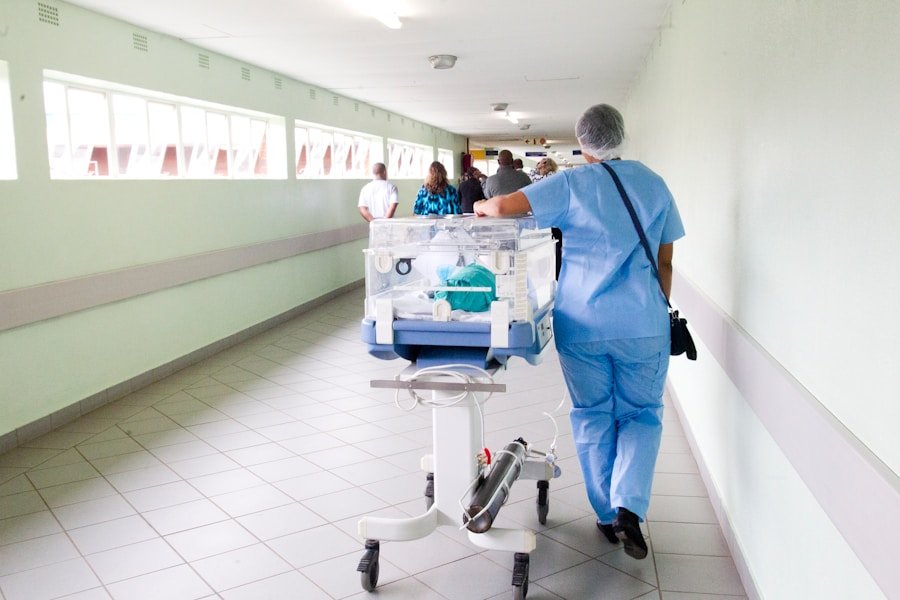
The benefits of utilizing hospital lifts during emergencies extend beyond mere speed; they encompass safety, efficiency, and improved patient outcomes. One of the primary advantages is the ability to transport patients safely and securely. Hospital lifts are designed with features such as wide doors, low thresholds, and spacious interiors that accommodate stretchers and medical personnel.
This design minimizes the risk of injury to both patients and staff during transport, which is particularly crucial in high-pressure situations where every movement must be executed with precision. Additionally, hospital lifts contribute to operational efficiency by reducing the physical strain on healthcare workers. In emergency scenarios, staff often face intense pressure to act quickly while managing heavy equipment or patients.
By utilizing lifts designed for these specific tasks, healthcare professionals can focus on delivering care rather than expending energy on physically demanding transport. This not only enhances staff morale but also leads to better patient care outcomes, as healthcare providers can dedicate their full attention to the needs of their patients during critical moments.
Considerations for Implementing Hospital Lifts in Healthcare Facilities
When considering the implementation of hospital lifts in healthcare facilities, several factors must be taken into account to ensure optimal performance and safety. First and foremost is the design and layout of the facility itself. The placement of lifts should be strategically planned to provide easy access from key areas such as emergency departments, operating rooms, and patient wards.
Conducting a thorough analysis of patient flow and traffic patterns can help identify the most effective locations for lift installation. Another critical consideration is the technology integrated into the lifts. Modern hospital lifts should be equipped with features such as real-time monitoring systems that track lift usage and performance.
This data can be invaluable for identifying bottlenecks or inefficiencies in patient transport processes. Additionally, facilities should consider implementing maintenance protocols to ensure that lifts are always operational and ready for use during emergencies. Regular inspections and timely repairs are essential to prevent unexpected breakdowns that could hinder emergency response efforts.
Training and Education for Staff on Using Hospital Lifts in Emergency Situations
Training and education for staff on the proper use of hospital lifts during emergencies are paramount for maximizing their effectiveness. Healthcare personnel must be well-versed in lift operation protocols, including how to summon lifts quickly during high-pressure situations. Regular training sessions can help familiarize staff with lift features and emergency procedures, ensuring that they can act swiftly when needed.
Moreover, simulation exercises can be an effective way to prepare staff for real-life scenarios involving hospital lifts. By conducting drills that mimic emergency situations requiring lift use, healthcare teams can practice their response strategies in a controlled environment. This hands-on experience not only builds confidence among staff but also fosters teamwork and communication skills essential for effective emergency response.
Case Studies of Healthcare Facilities Successfully Using Hospital Lifts to Improve Response Times
Upgrading Lift Systems for Priority Response
A large urban hospital in Chicago recently upgraded its lift system to include dedicated emergency elevators that prioritize urgent calls over regular traffic. As a result, the facility reported a 30% reduction in average response times for critical cases requiring immediate transport to operating rooms.
Integrating Smart Technology for Optimized Lift Operations
Another notable example is a regional medical center in California that integrated smart technology into its lift system. By utilizing an advanced dispatch algorithm that analyzes real-time data on lift usage and patient flow, the hospital was able to optimize its lift operations significantly.
Improving Patient Satisfaction through Timely Care
This innovation led to improved coordination among staff during emergencies and a marked increase in overall patient satisfaction scores related to timely care.
Future Trends and Innovations in Hospital Lifts for Emergency Response
The future of hospital lifts is poised for significant advancements aimed at further improving emergency response capabilities within healthcare facilities. One emerging trend is the integration of artificial intelligence (AI) into lift systems. AI can analyze patterns in patient flow and predict peak usage times, allowing hospitals to adjust their lift operations proactively.
This predictive capability could lead to even faster response times during emergencies by ensuring that lifts are available when they are most needed. Additionally, innovations in lift design are likely to focus on enhancing accessibility and safety features. For example, some manufacturers are exploring the use of biometric technology for secure access control, ensuring that only authorized personnel can operate certain lifts during emergencies.
Furthermore, advancements in energy-efficient technologies may lead to more sustainable lift systems that reduce operational costs while maintaining high performance levels.
The Impact of Hospital Lifts on Improving Emergency Response Times in Healthcare Facilities
The integration of hospital lifts into healthcare facilities has a profound impact on improving emergency response times, ultimately enhancing patient care and outcomes. By facilitating swift and safe transport of patients and medical personnel during critical situations, these specialized elevators play an essential role in modern healthcare operations. As technology continues to evolve, so too will the capabilities of hospital lifts, paving the way for even more efficient emergency response strategies in the future.
The ongoing commitment to optimizing these systems will ensure that healthcare facilities remain equipped to meet the challenges posed by emergencies while prioritizing patient safety and care quality.
A related article discussing how USP Corporation’s advanced goods hoists have the potential to enhance operational efficiency in various industries would be beneficial to healthcare facilities looking to improve emergency response times. USP Corporation offers a range of innovative solutions, including car lifts and hospital lifts, that can streamline processes and increase productivity. To learn more about how USP Corporation’s products can benefit healthcare facilities, visit their website here.
FAQs
What are hospital lifts?
Hospital lifts, also known as patient lifts or medical lifts, are specially designed devices used to transfer patients from one location to another within a healthcare facility. These lifts are essential for safely and efficiently moving patients who may have mobility issues or require assistance.
How do hospital lifts improve emergency response times in healthcare facilities?
Hospital lifts play a crucial role in improving emergency response times by enabling healthcare staff to quickly and safely move patients to the appropriate areas for treatment. In emergency situations, every second counts, and hospital lifts help expedite the process of transferring patients to the emergency department or other critical care areas.
What are the benefits of using hospital lifts in emergency situations?
Using hospital lifts in emergency situations offers several benefits, including:
– Rapid and safe patient transfer
– Reduced risk of injury to both patients and healthcare staff
– Efficient use of staff time and resources
– Improved overall response times and patient outcomes
Are hospital lifts easy to operate for healthcare staff?
Modern hospital lifts are designed to be user-friendly and easy to operate for healthcare staff. Training and familiarization with the equipment are essential to ensure that staff can confidently and effectively use hospital lifts in emergency situations.
Are hospital lifts a standard feature in healthcare facilities?
While hospital lifts are not mandatory in all healthcare facilities, they are increasingly recognized as essential equipment for improving patient care and safety. Many healthcare facilities are investing in hospital lifts to enhance their emergency response capabilities and overall patient care.