
Passenger lifts, commonly referred to as elevators, are essential components of modern architecture and urban infrastructure. They serve as vertical transportation systems that facilitate the movement of people between different floors of a building. The evolution of passenger lifts has been remarkable, transitioning from rudimentary hoisting systems to sophisticated, high-speed machines equipped with advanced technology.
The invention of the safety elevator by Elisha Otis in the mid-19th century marked a significant turning point, allowing buildings to soar to new heights and enabling the construction of skyscrapers that define city skylines today. The significance of passenger lifts extends beyond mere convenience; they are integral to the functionality and accessibility of multi-story buildings. In residential complexes, commercial establishments, and public facilities, lifts enhance the user experience by providing a seamless transition between levels.
As urban populations continue to grow and the demand for high-density living increases, the role of passenger lifts becomes even more critical. They not only improve mobility but also contribute to the overall design and aesthetic appeal of a building, making them a vital consideration in architectural planning. Check out our latest blog post on the benefits of using a Goods Hoist for your business.
Key Takeaways
- Passenger lifts are an essential feature in modern buildings, providing convenient vertical transportation for occupants and visitors.
- Installing passenger lifts can significantly increase the value of a property, making it more attractive to potential buyers or tenants.
- Passenger lifts improve accessibility for people with mobility issues, making buildings more inclusive and compliant with accessibility regulations.
- There are various types of passenger lifts available, including hydraulic, traction, and machine-room-less lifts, each with its own advantages and considerations.
- When installing passenger lifts, factors such as building design, space availability, and safety regulations should be carefully considered to ensure efficient and safe operation.
The Impact of Passenger Lifts on Property Value
Residential Properties
For instance, in high-rise residential buildings, potential buyers often prioritize properties with lifts, as they provide easy access to upper floors without the physical strain of climbing stairs. Moreover, the integration of passenger lifts can enhance the marketability of a property. Real estate agents frequently highlight the presence of lifts as a key selling point during property viewings.
Commercial Properties
In commercial real estate, having efficient lift systems can facilitate better customer flow and employee movement, which is particularly important in retail spaces and office buildings. Properties that offer these conveniences are often perceived as more desirable, leading to quicker sales and potentially higher returns on investment for property owners.
Increased Desirability and ROI
Properties that offer the convenience of passenger lifts are often perceived as more desirable, leading to quicker sales and potentially higher returns on investment for property owners.
Accessibility Benefits of Passenger Lifts
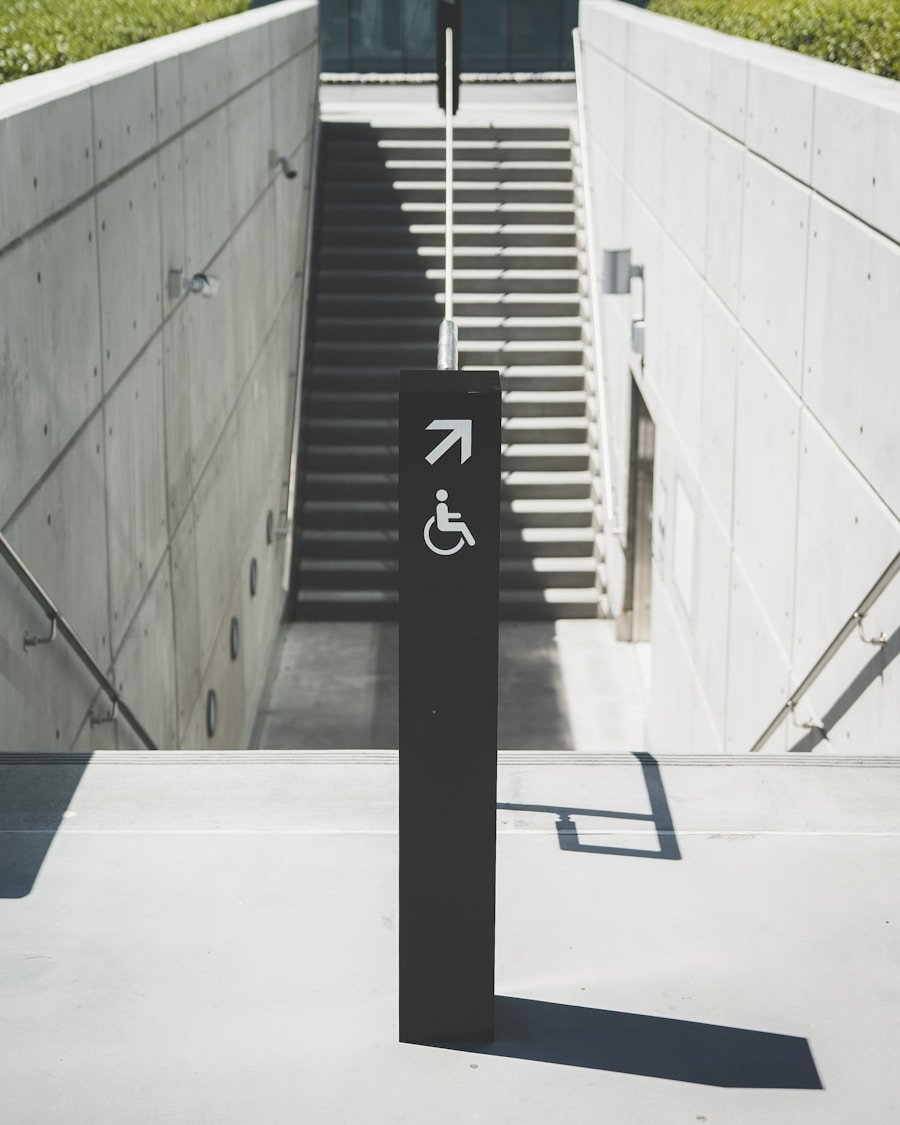
One of the most significant advantages of passenger lifts is their role in promoting accessibility for individuals with mobility challenges. In compliance with regulations such as the Americans with Disabilities Act (ADA) in the United States, many buildings are now required to include lift systems to ensure that all individuals can navigate their environments safely and comfortably. This requirement not only enhances inclusivity but also reflects a growing societal commitment to accommodating diverse needs.
Passenger lifts provide essential support for elderly individuals, those with disabilities, and families with young children. For example, a multi-story apartment complex without a lift can be a barrier for an elderly resident who may struggle with stairs. Conversely, the presence of a lift allows for independent living and greater participation in community life.
Furthermore, businesses that prioritize accessibility through the installation of lifts can attract a broader customer base, fostering an inclusive environment that benefits everyone.
Types of Passenger Lifts
Passenger lifts come in various types, each designed to meet specific needs and building requirements. The most common types include hydraulic lifts, traction lifts, machine-room-less (MRL) lifts, and vacuum lifts. Hydraulic lifts operate using a piston mechanism and are typically used in low-rise buildings due to their slower speed and limited travel height.
They are known for their reliability and ease of installation but require more space for the hydraulic machinery. Traction lifts, on the other hand, utilize a system of pulleys and cables to move the elevator car. These lifts are suitable for mid- to high-rise buildings and offer faster travel speeds compared to hydraulic systems.
They are often preferred for their energy efficiency and smoother ride quality. Machine-room-less (MRL) lifts represent a modern innovation in elevator design; they eliminate the need for a separate machine room by integrating the machinery within the shaft itself. This design not only saves space but also reduces construction costs.
Vacuum lifts are another intriguing option that operates using air pressure differences. These lifts are often used in residential settings due to their compact size and unique aesthetic appeal. They require minimal structural modifications and can be installed in existing homes without extensive renovations.
Each type of passenger lift has its own set of advantages and limitations, making it essential for property developers and owners to carefully consider their specific needs when selecting an elevator system.
Considerations for Installing Passenger Lifts
When planning for the installation of passenger lifts, several critical factors must be taken into account to ensure optimal performance and user satisfaction. First and foremost is the building’s design and layout; architects must consider the available space for the lift shaft and how it will integrate with existing structures. The choice of lift type will also depend on factors such as building height, expected traffic volume, and intended use.
Another important consideration is compliance with local building codes and regulations. These codes dictate various aspects of lift installation, including safety standards, accessibility requirements, and maintenance protocols. Engaging with experienced professionals during the planning phase can help navigate these regulations effectively.
Additionally, property owners should evaluate the long-term operational costs associated with different lift systems, including energy consumption, maintenance expenses, and potential upgrades over time.
Maintenance and Safety of Passenger Lifts

Safety Regulations and Advanced Technologies
Many jurisdictions require periodic inspections by certified professionals to comply with safety regulations. Safety features in modern passenger lifts have evolved significantly over the years. Contemporary systems are equipped with advanced technologies such as overload sensors, emergency communication systems, and automatic rescue devices that activate in case of power failure.
Enhancing User Safety and Peace of Mind
These innovations enhance user safety and provide peace of mind for both passengers and property owners. Additionally, educating users about proper lift etiquette—such as not overcrowding or blocking doors—can further contribute to safe operation.
Proper Lift Etiquette
Educating users about proper lift etiquette is essential to ensure safe operation. This includes not overcrowding or blocking doors, and being mindful of the lift’s capacity. By following these simple guidelines, users can help prevent accidents and ensure a safe and smooth ride.
Case Studies: How Passenger Lifts Have Increased Property Value
Numerous case studies illustrate how the installation of passenger lifts has positively impacted property value across various sectors. One notable example is a mid-rise residential building in an urban area that underwent significant renovations, including the addition of a modern lift system. Prior to this upgrade, the property struggled to attract buyers due to its lack of accessibility features.
After installing a state-of-the-art lift, the building saw an increase in demand, resulting in higher rental prices and quicker sales. In another instance, a commercial office building that incorporated an MRL lift system experienced increased foot traffic from clients and employees alike. The efficient vertical transportation solution not only improved accessibility but also enhanced overall productivity within the workplace.
As a result, tenants were willing to pay premium rates for office space within this building compared to others in the vicinity lacking similar amenities. These case studies underscore the tangible benefits that passenger lifts can bring to properties across different sectors. By enhancing accessibility and convenience while simultaneously increasing market appeal, lifts have become indispensable assets in real estate development.
The Future of Passenger Lifts in Property Development
As urbanization continues to shape our cities and lifestyles evolve, the future of passenger lifts appears promising. Innovations in technology are paving the way for smarter lift systems that integrate seamlessly with building management systems and offer enhanced user experiences through features like touchless controls and predictive maintenance algorithms. These advancements not only improve efficiency but also align with sustainability goals by reducing energy consumption.
Furthermore, as society places greater emphasis on inclusivity and accessibility, the demand for passenger lifts will likely continue to grow. Developers will increasingly recognize that incorporating modern lift systems is not just a matter of compliance but also a strategic investment that enhances property value and attracts diverse occupants. In this context, passenger lifts will remain a vital component of property development strategies well into the future, shaping how we navigate our built environments while reflecting our commitment to accessibility and innovation.
If you are interested in learning more about how USP Corporations’ advanced goods hoists can enhance operational efficiency, check out their article here. This article discusses how their innovative goods hoists can streamline processes and improve productivity in various industries. By incorporating these efficient systems into your property, you can not only increase accessibility but also boost overall operational efficiency.
FAQs
What are passenger lifts?
Passenger lifts are vertical transportation systems designed to carry people between different levels of a building. They are commonly used in residential and commercial buildings to provide accessibility and convenience for occupants.
How do passenger lifts increase property value?
The installation of passenger lifts can increase the property value of a building by improving accessibility and convenience for residents or tenants. Buildings with passenger lifts are more attractive to potential buyers or renters, leading to higher property values.
What are the benefits of installing passenger lifts in a building?
Installing passenger lifts in a building can improve accessibility for people with mobility issues, enhance convenience for all occupants, and increase the overall desirability of the property. Additionally, it can future-proof the building for aging occupants and comply with accessibility regulations.
Are there regulations or standards for passenger lifts?
Yes, there are regulations and standards that govern the design, installation, and maintenance of passenger lifts. These regulations ensure the safety and accessibility of the lifts for all users.
Can passenger lifts be retrofitted into existing buildings?
Yes, passenger lifts can be retrofitted into existing buildings to improve accessibility and convenience. Retrofitting a building with a passenger lift can increase its value and appeal to a wider range of occupants.